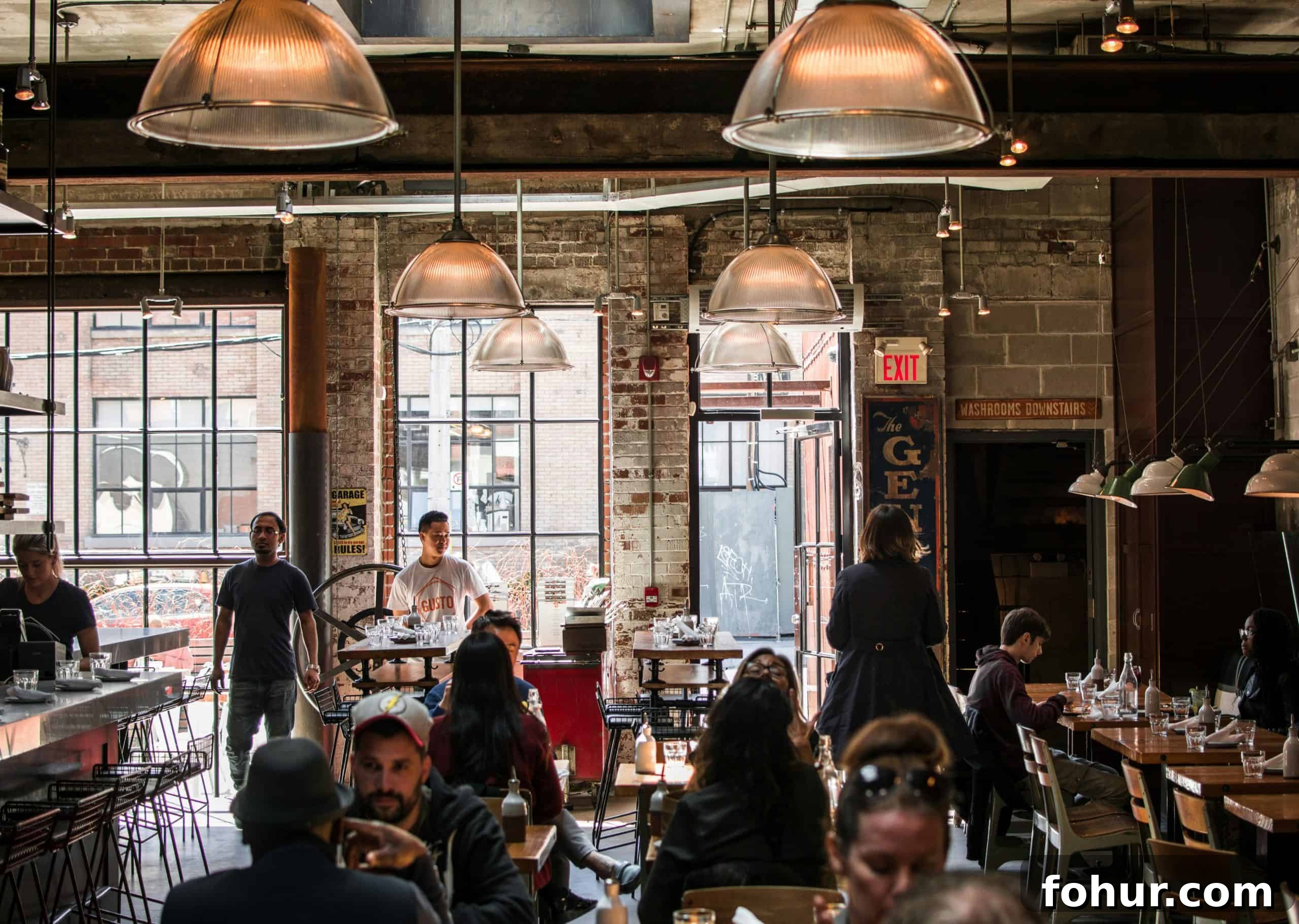
Opening a restaurant is an exciting venture, but it also requires careful planning and attention to many moving parts. Every choice—from the concept and menu to operations and atmosphere—affects your chances of long-term success. If you’re preparing to open a restaurant, here are six essential areas to address before your soft opening or grand opening.
Define Your Niche and Brand
The restaurant market is competitive, so start by defining a clear niche and brand identity. Decide whether you want to open a casual neighborhood bistro, a specialty gluten-free or paleo-focused spot, a fine dining establishment, or a late-night cocktail bar with small plates. Your concept should answer who your customer is, what experience you offer, and why diners should choose you over alternatives.
Highlight what differentiates your restaurant: a unique menu approach, locally sourced ingredients, sustainability practices, or a signature dining format. A focused niche helps guide menu development, design choices, pricing, and marketing, and makes it easier to attract a loyal customer base.
Manage Fryers and Cooking Oil Responsibly
If fried items are part of your menu, plan how you will handle cooking oil safely and sustainably. Proper oil management protects equipment, reduces costs, and keeps you compliant with health and environmental regulations. Establish a schedule for filtering, changing, and storing oil, and set procedures for safe disposal or recycling in accordance with local rules.
Implementing best practices for fryer maintenance extends the life of equipment and improves food quality, while sustainable oil handling aligns with customer expectations around environmental responsibility. Document your processes so staff follow consistent, safe routines in the kitchen.
Design a Strategic Menu
Your menu is more than a list of dishes—it’s a marketing tool and a strategic map for kitchen operations. Build a menu that reflects your concept, balances cost and creativity, and considers ingredient overlap to reduce waste and simplify prep. Offer a manageable number of signature dishes alongside seasonal or rotating options to keep the menu fresh without overwhelming staff.
Price items based on ingredient costs, labor, and desired profit margins, and use menu layout to highlight high-margin or standout dishes. Test dishes with pop-ups, tastings, or soft openings to refine flavors, portion sizes, and plating before full-scale launch.
Choose the Right Location
Location remains a critical factor in restaurant success. Evaluate foot traffic, visibility, parking, nearby competition, and the demographic profile of the neighborhood. The ideal spot depends on your concept: a high-visibility downtown corner may suit quick-service or lunch-focused concepts, while a residential area may be better for family dining or casual evening service.
Visit potential sites at different times of day to observe traffic patterns and neighboring businesses. Consider accessibility for delivery services and takeout, and factor in rent, utilities, and renovation costs when assessing the financial viability of a location.
Implement Efficient Systems and Train Staff
Smooth operations rely on well-designed systems. Invest in point-of-sale and reservation technology, inventory and ordering processes, and clear workflows that move orders efficiently from front of house to the kitchen. Consistent systems reduce errors, control costs, and improve customer service.
Equally important is staff training. Create onboarding materials, SOPs (standard operating procedures), and regular training sessions so every team member understands menu items, service standards, safety protocols, and how to use your operational tools. An engaged, competent team delivers the consistent experience customers expect.
Create a Memorable Atmosphere
Food quality matters, but ambiance is what brings customers back. Design your dining space to support the concept—lighting, music, seating layout, decor, and table settings should all contribute to the intended mood, whether that’s cozy and intimate or vibrant and energetic. Consider acoustics, comfortable seating, and sight lines so guests enjoy both privacy and connection.
Think through guest touchpoints beyond the plate: entry experience, restrooms, staff interactions, and presentation of checks. Small, intentional details shape the overall impression and create repeat customers. A cohesive atmosphere that matches your brand makes your restaurant memorable and shareable.
Addressing these six areas—concept and niche, fryer and oil management, menu strategy, location, systems and training, and atmosphere—creates a strong foundation for opening a restaurant. Careful planning, clear processes, and attention to guest experience reduce risk and increase the odds that your new establishment will thrive.