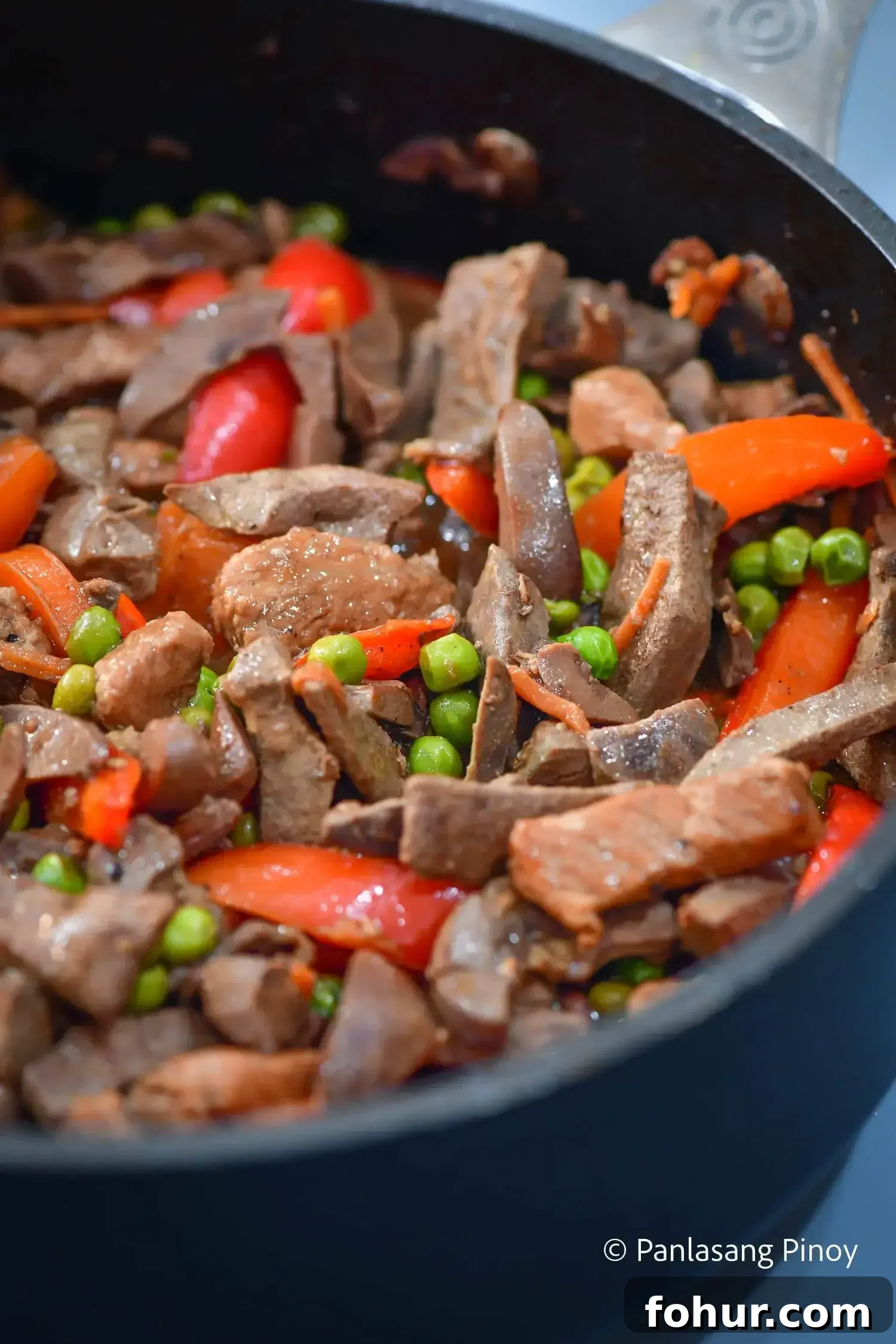
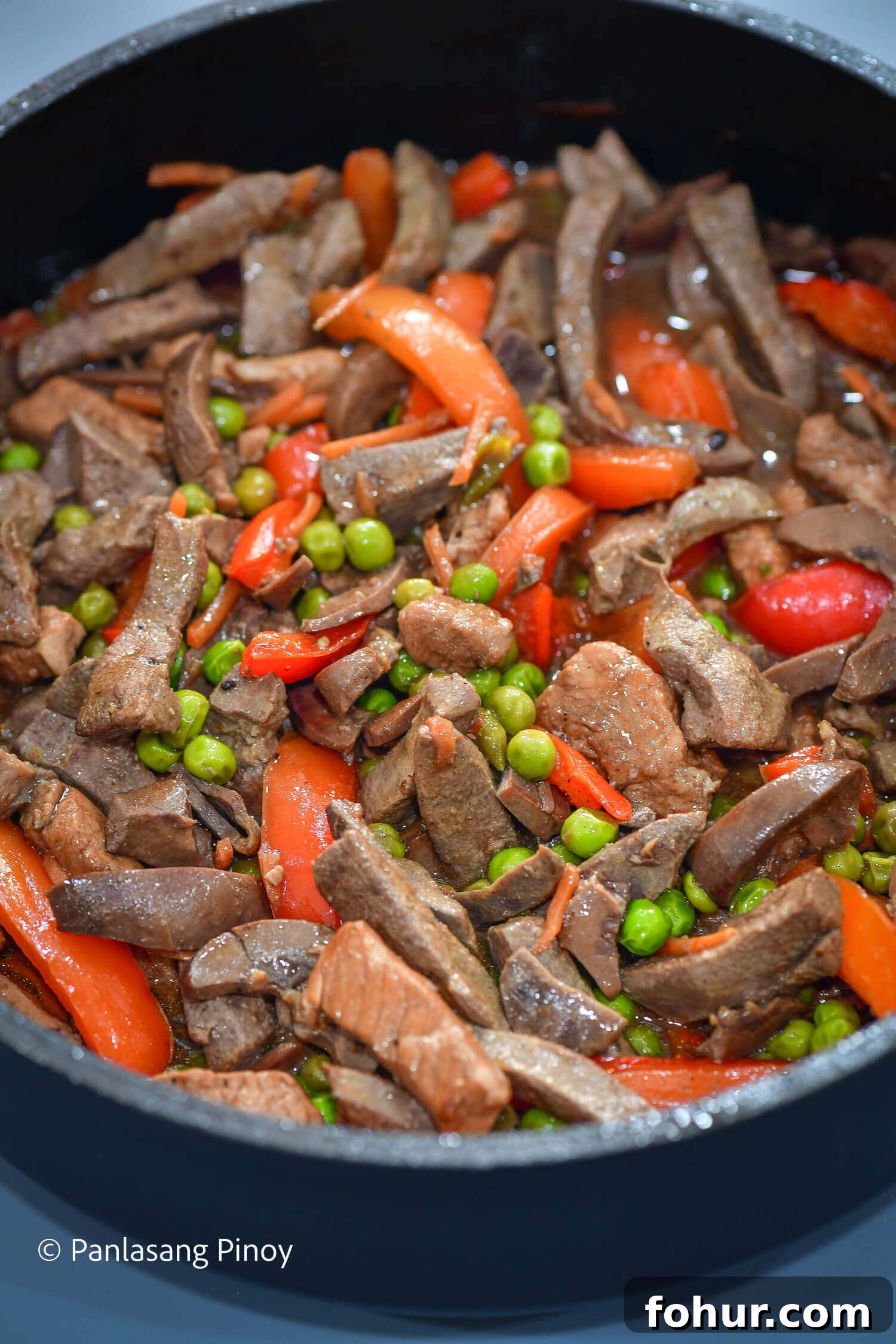
Igado is a celebrated Ilocano stew featuring pork tenderloin paired with pork innards such as liver and kidney. For many lovers of Filipino cuisine, this combination of savory soy, tangy vinegar, and aromatic spices ranks among the most flavorful dishes in the Philippines. If you haven’t tried it yet, Igado is worth sampling—its balance of salty, sour, and meaty flavors can win over even the hesitant eaters.
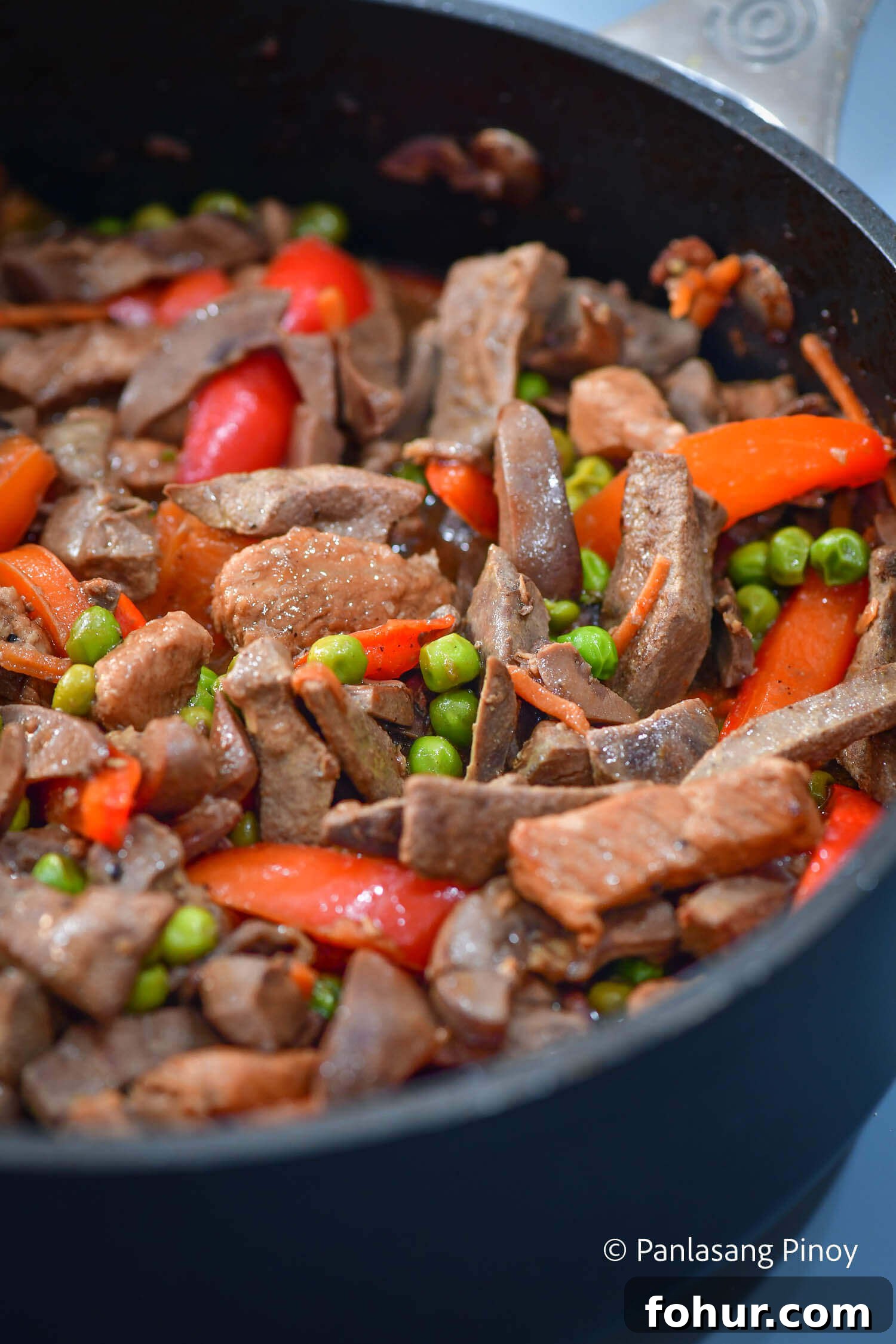
Filipino cooking often reflects practicality and creativity—making the most of every ingredient, including organ meats. That resourcefulness is at the heart of Igado: a dish that harmonizes different pork cuts with simple seasonings and a few vegetables. The inclusion of liver, kidney, and tenderloin gives Igado a distinctive depth and richness.
Because of the organ meats, Igado may seem intimidating to some, but when prepared properly it becomes a satisfying, balanced viand. Below you’ll find background on the dish, what pairs well with it, the ingredients needed, and step‑by‑step instructions to make a classic Ilocano pork igado.
Getting to know the meaty Igado dish
Igado is a well‑known Ilocano recipe from the northern Philippines. The name is believed to derive from the Spanish word for liver, “hígado,” reflecting historical Spanish influence on Filipino cuisine. The Filipino pronunciation evolved into “igado,” and the dish showcases a Spanish‑Filipino fusion of flavors: soy sauce for umami, vinegar for brightness, and bay leaves for aroma and subtle bitterness.
What goes well with Igado
Igado is rich and savory, so simple, mild sides work best. It is commonly served as an ulam (main viand) with steamed white rice, which helps absorb the sauce and balance the intense flavors. Igado is also often enjoyed as a pulutan (bar snack) because its salty‑sour profile pairs well with cold drinks and communal gatherings. For a balanced meal, pair Igado with plain rice and a light vegetable side or salad.
The ingredients you’ll need for a tasty Igado dish
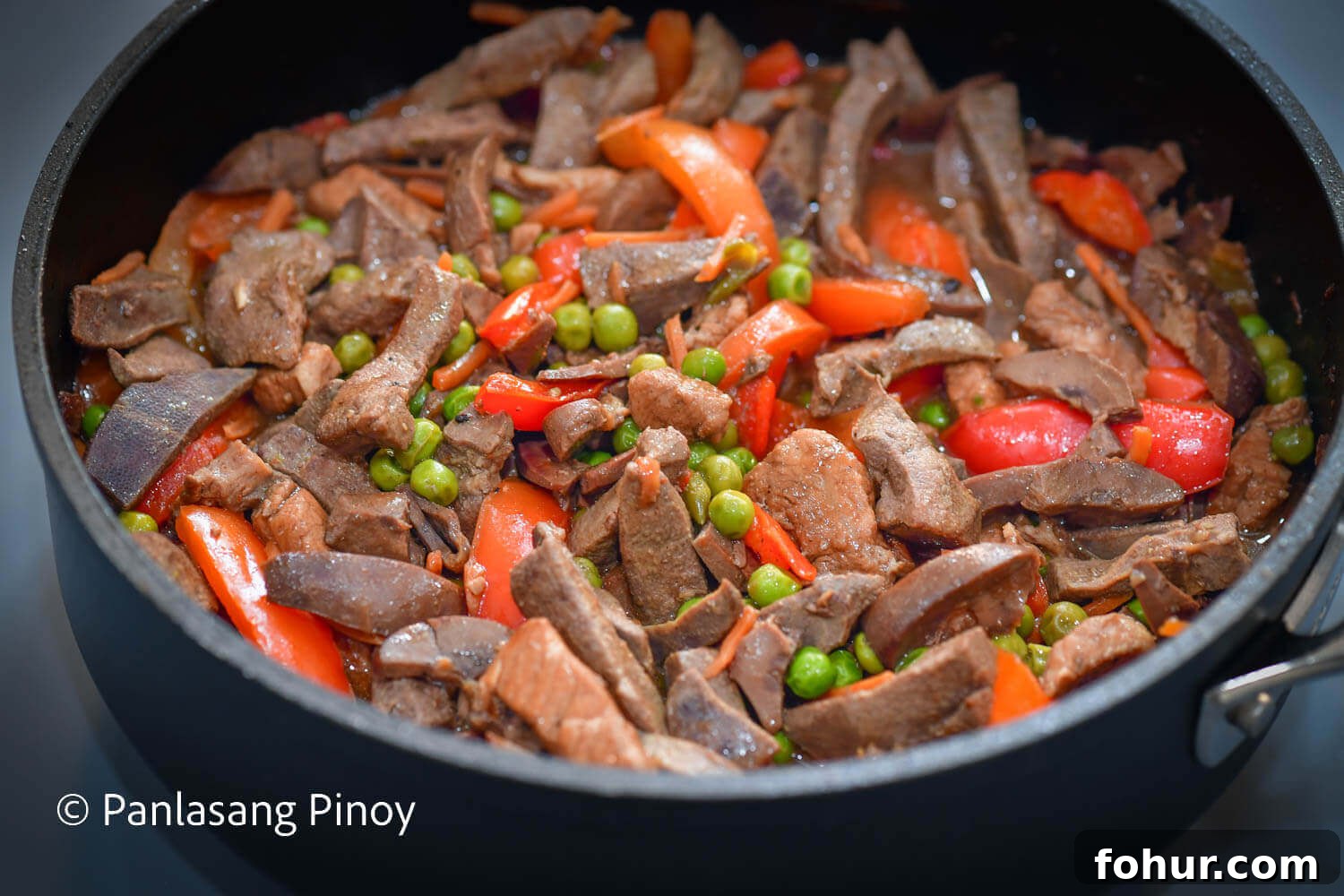
Meat components
- Pork tenderloin — 1/2 lb, sliced into 2‑inch strips. Choose firm, pale pork without dark spots for best quality.
- Pork liver — 1/2 lb, washed thoroughly and sliced into 2‑inch strips. Pick fresh liver with even color and minimal wrinkles.
- Pork kidney — 1/2 lb, rinsed under running water and soaked in salted water for about 10 minutes to reduce odor, then drained and prepared.
Seasonings and aromatics
- Soy sauce — 6 tablespoons, for the savory backbone.
- White vinegar — 5 tablespoons, for the characteristic tang.
- Knorr (or any pork) bouillon cube — 1 cube, optional for extra depth.
- Bay leaves (laurel) — 3 leaves, for fragrance.
- Onion — 1 medium, minced.
- Garlic — 5 cloves, minced.
- Salt and ground black pepper — to taste.
Vegetables
- Red bell pepper — 1, sliced into strips, adds color and mild sweetness.
- Carrot — 1, julienned (thin matchstick strips) for texture and color.
- Green peas — 1/2 cup, for a tender burst and added nutrition.
Other essentials
- Water — 1 1/4 cups for simmering and sauce.
- Cooking oil — 4 tablespoons for sautéing.
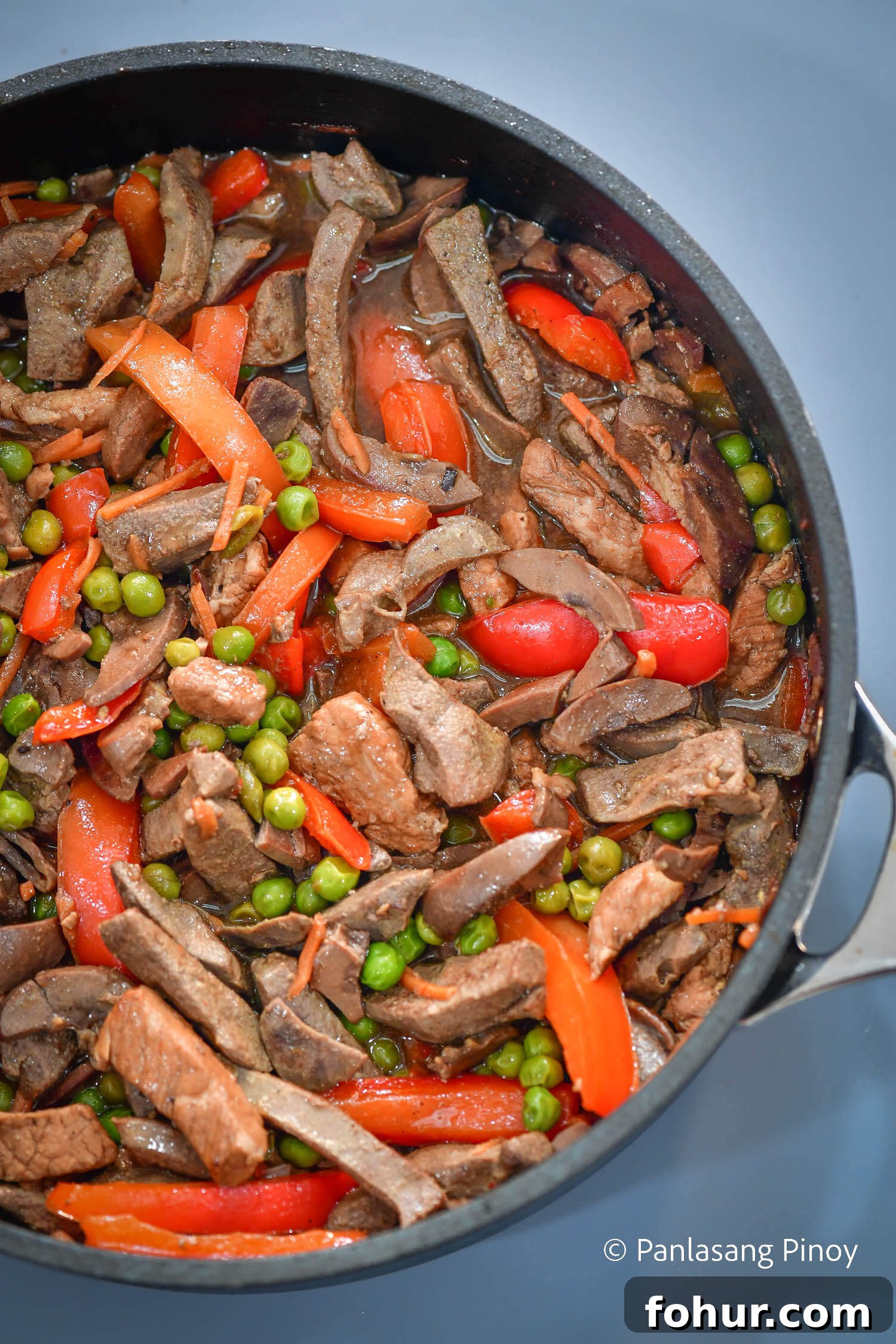
Making your Igado
If you prefer a video walkthrough, a step‑by‑step guide is available online. The written instructions below outline the classic method for preparing Igado at home.
Step 1: Preparing the meats
- Place the pork kidney in a pot with four thumbs’ worth of sliced ginger and enough water to cover. Boil for at least 30 minutes to remove strong odors. Allow to cool, then slice into 2‑inch strips and set aside.
- Heat 2 tablespoons of cooking oil in a pan. Quickly sauté the pork liver for about 2 minutes, then remove and set aside to avoid overcooking.
- Add the remaining 2 tablespoons of oil to the pan and sauté minced garlic and onion until the onion softens.
- Add the boiled kidney and cook for about 1 minute, then add the pork tenderloin and sauté until the edges turn light brown.
Step 2: Building flavor
- Pour in the soy sauce and vinegar, allowing the liquid to come to a boil. Stir to combine.
- Add the bay leaves and 1 1/4 cups of water. Bring to a boil, then lower heat to medium‑low and simmer for about 40 minutes to let the flavors meld.
- Stir in the bouillon cube and continue cooking for another 8 minutes.
- Return the sautéed liver to the pan and cook for an additional 3 minutes so it warms through without becoming tough.
Step 3: Finish with vegetables and seasoning
- Add the bell pepper strips, julienned carrot, and green peas. Season with salt and freshly ground black pepper to taste.
- Cook for about 2 more minutes until the vegetables are tender but still vibrant. Remove bay leaves and transfer the Igado to a serving dish.
Serve hot with steamed white rice. Igado also makes a flavorful pulutan for gatherings. Adjust vinegar and soy sauce to suit your preference for tang or saltiness.
Nutrition highlights (per serving, approximate)
- Calories: ~392 kcal
- Protein: ~38 g
- Fat: ~20 g
- Carbohydrates: ~13 g
- High in vitamin A and iron due to liver and vegetables
Igado is a flavorful example of Ilocano cooking: economical, bold, and satisfying. Whether you’re looking for a new Filipino classic to prepare at home or a hearty dish to share with friends, this pork igado recipe delivers robust taste and comforting warmth. Try it and adjust the seasonings to suit your palate—many cooks tweak the soy‑to‑vinegar ratio to find their perfect balance.
Did you make this recipe? Share your experience and any personal variations you tried. Enjoy!
Ingredients (serves 4)
- 1/2 lb pork tenderloin, sliced into 2‑inch strips
- 1/2 lb pork liver, washed and sliced into 2‑inch strips
- 1/2 lb pork kidney, cleaned and prepared
- 1 Knorr pork cube (optional)
- 1 red bell pepper, sliced into strips
- 1/2 cup green peas
- 1 carrot, julienned
- 3 bay leaves
- 1 onion, minced
- 5 cloves garlic, minced
- 6 tablespoons soy sauce
- 5 tablespoons white vinegar
- 1 1/4 cups water
- 4 tablespoons cooking oil
- Salt and ground black pepper to taste
Instructions
- Boil kidney with ginger for at least 30 minutes. Cool and slice into strips.
- Sauté liver briefly in 2 tablespoons oil for 2 minutes; set aside.
- Sauté garlic and onion in remaining oil until soft. Add kidney and cook 1 minute.
- Add tenderloin and brown lightly. Pour in soy sauce and vinegar; bring to a boil.
- Add bay leaves and water, reduce heat, and simmer about 40 minutes.
- Add bouillon cube if using and cook 8 more minutes. Return liver and cook 3 minutes.
- Stir in bell pepper, carrot, and peas. Season with salt and pepper and cook 2 minutes.
- Remove bay leaves, transfer to a serving bowl, and serve hot with rice.