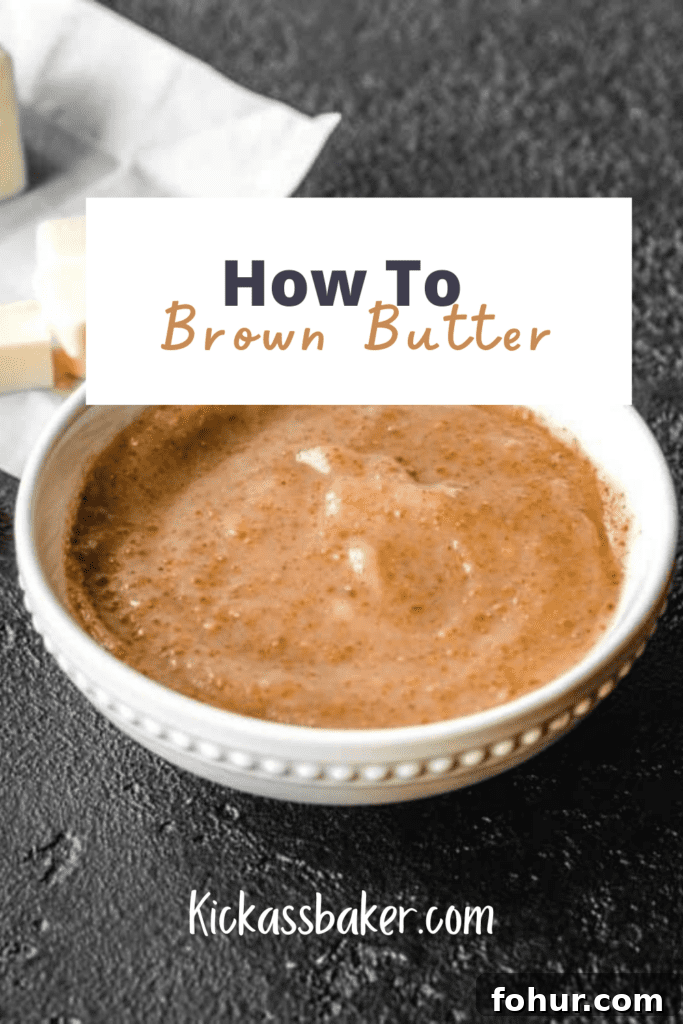
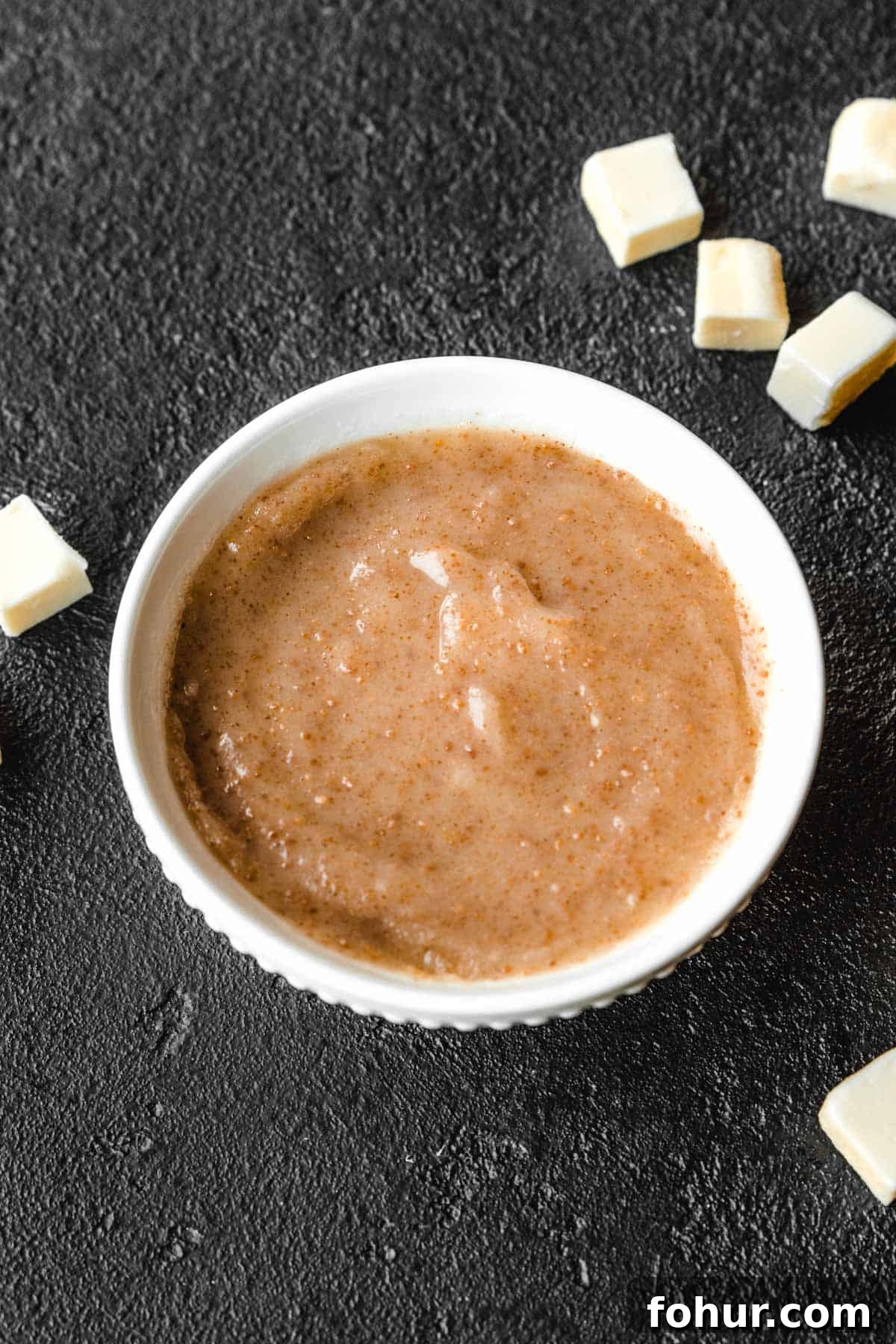
Brown butter, also known as beurre noisette, is a tiny technique that yields big flavor. Bakers and chefs rely on it to add a warm, nutty, caramel-like depth to cookies, cakes, sauces, and more. It’s a one-ingredient transformation that elevates everyday baking into something special.
You can use brown butter in everything from chocolate chip cookies and blondies to frostings, quick breads, and savory dishes. Learning how to brown butter is a simple skill that pays off across a wide range of recipes.
Disclosure: I may receive a small commission from qualifying purchases mentioned in some posts.
Why you’ll love brown butter in your baking
Brown butter contributes a rich, toasty layer of flavor that complements both sweet and savory recipes. The nutty, slightly caramelized notes are often what make a recipe feel more complex and professional. Benefits include:
- Exceptional flavor from a single ingredient
- Quick and easy to prepare in minutes
- Versatile — works in cookies, cakes, sauces, and more
Ingredients & substitutions
The only ingredient you need is butter. Both salted and unsalted butter will brown, but unsalted butter is usually preferred in baking because it lets you control the final salt level in the recipe. If you only have salted butter, reduce or omit added salt in the recipe you’re using the brown butter in.
What kind of pan is best for making brown butter
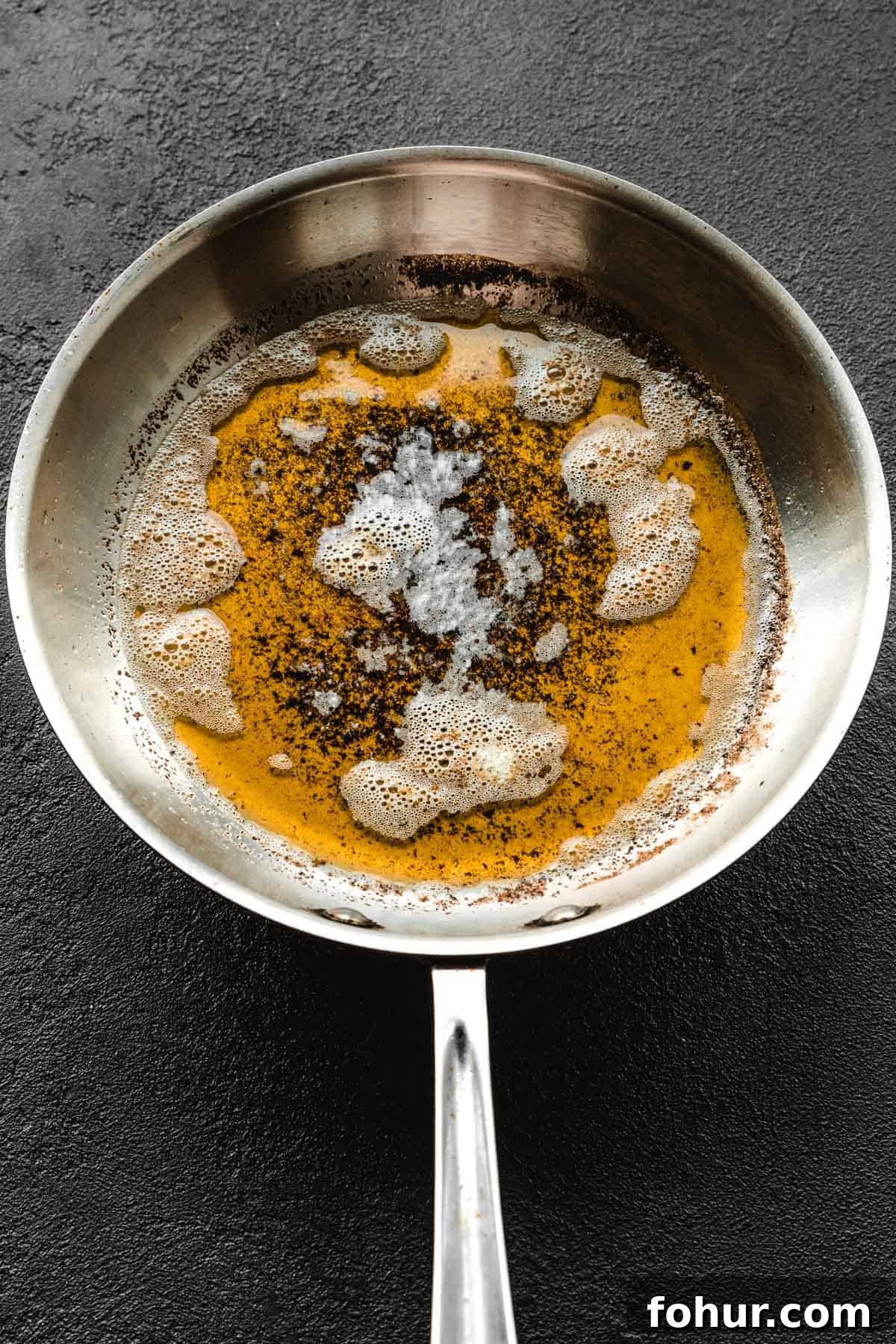
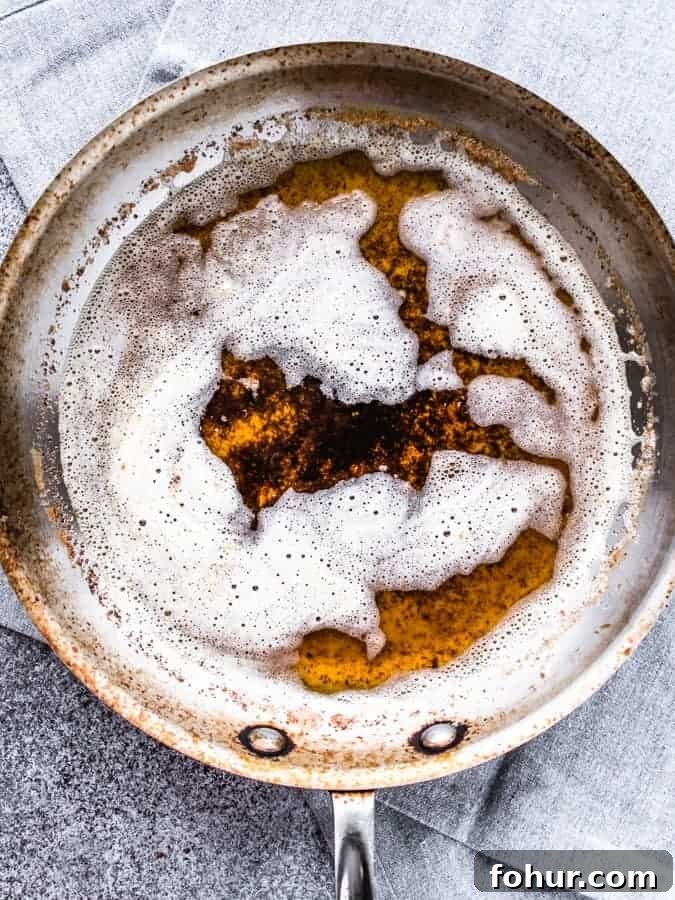
A light-colored metal pan or skillet is best. A pale surface makes it easy to watch the milk solids as they change color from pale to golden to brown. Avoid dark nonstick pans, which hide subtle color changes and can lead to burned butter. Because the transition from perfect brown to burnt happens quickly, being able to see the color is crucial.
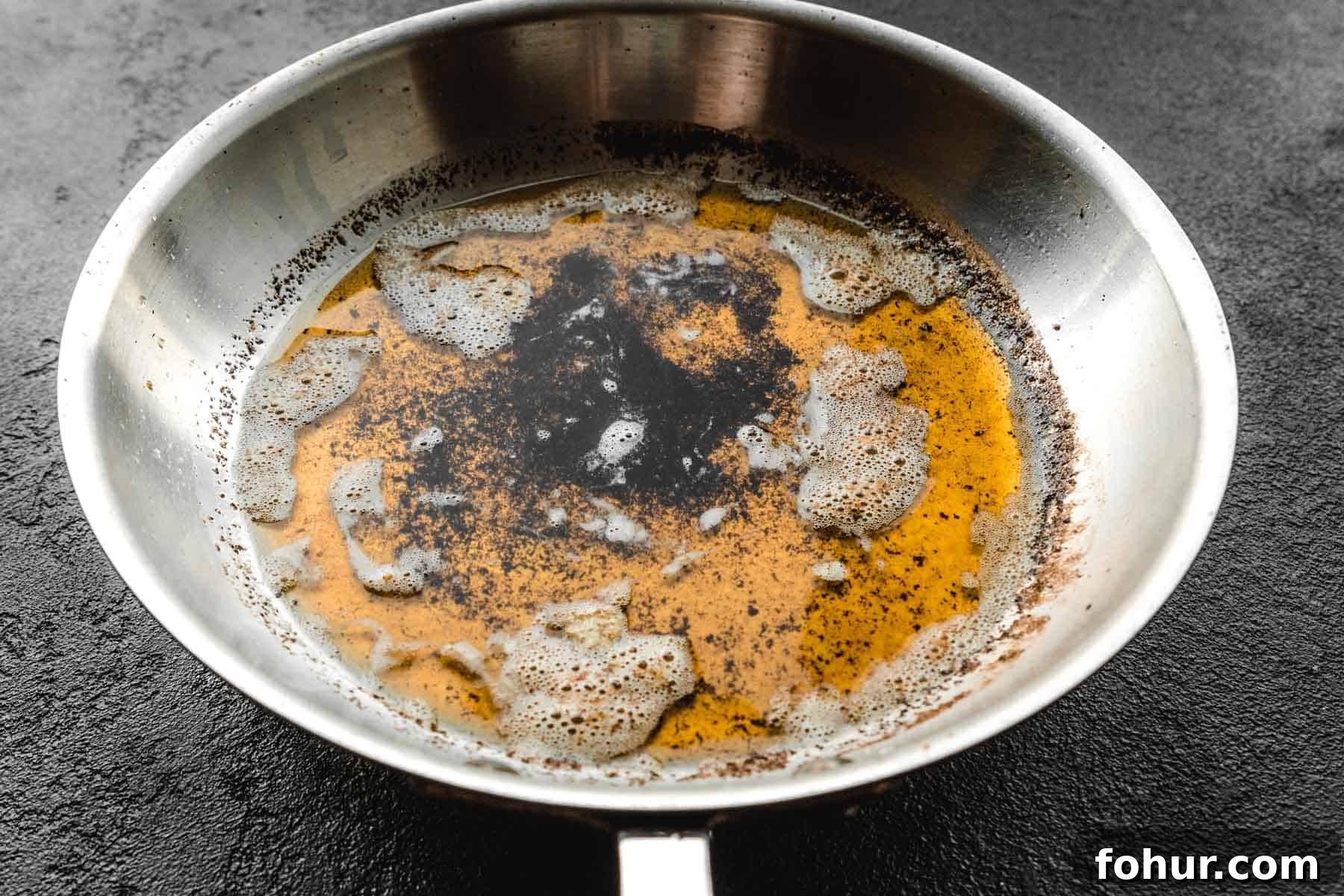
The butter browning process
When butter melts and warms, the water content begins to evaporate and the milk solids separate and sink to the pan bottom. As those milk solids toast they develop rich, nutty, caramel-like aromas. That concentrated, toasted flavor is what makes brown butter so valuable.
Because some moisture is lost during browning, brown butter has slightly less volume than an equal amount of melted butter. If substituting brown butter for plain melted butter in a recipe, account for the volume difference — either melt a little extra regular butter to reach the required volume or brown extra butter and reserve the rest for later use.
How to brown butter
Step 1
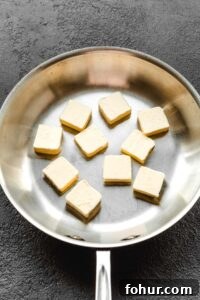
Choose a light-colored skillet and set it over medium-low heat. Add the butter — a stick or more depending on your needs. Cutting the butter into tablespoon-sized pats helps it melt evenly; large whole sticks can cause the exterior to brown before the interior has melted, increasing the risk of burning.
Step 2
Stir or swirl the butter continuously with a heatproof spatula or wooden spoon as it melts. The butter will foam and may sputter slightly as the water evaporates and the milk solids rise and then settle. Keep stirring and watch closely — when the milk solids turn a rich golden-brown and the mixture smells nutty, the butter is ready. Remove the pan from heat promptly to prevent burning.
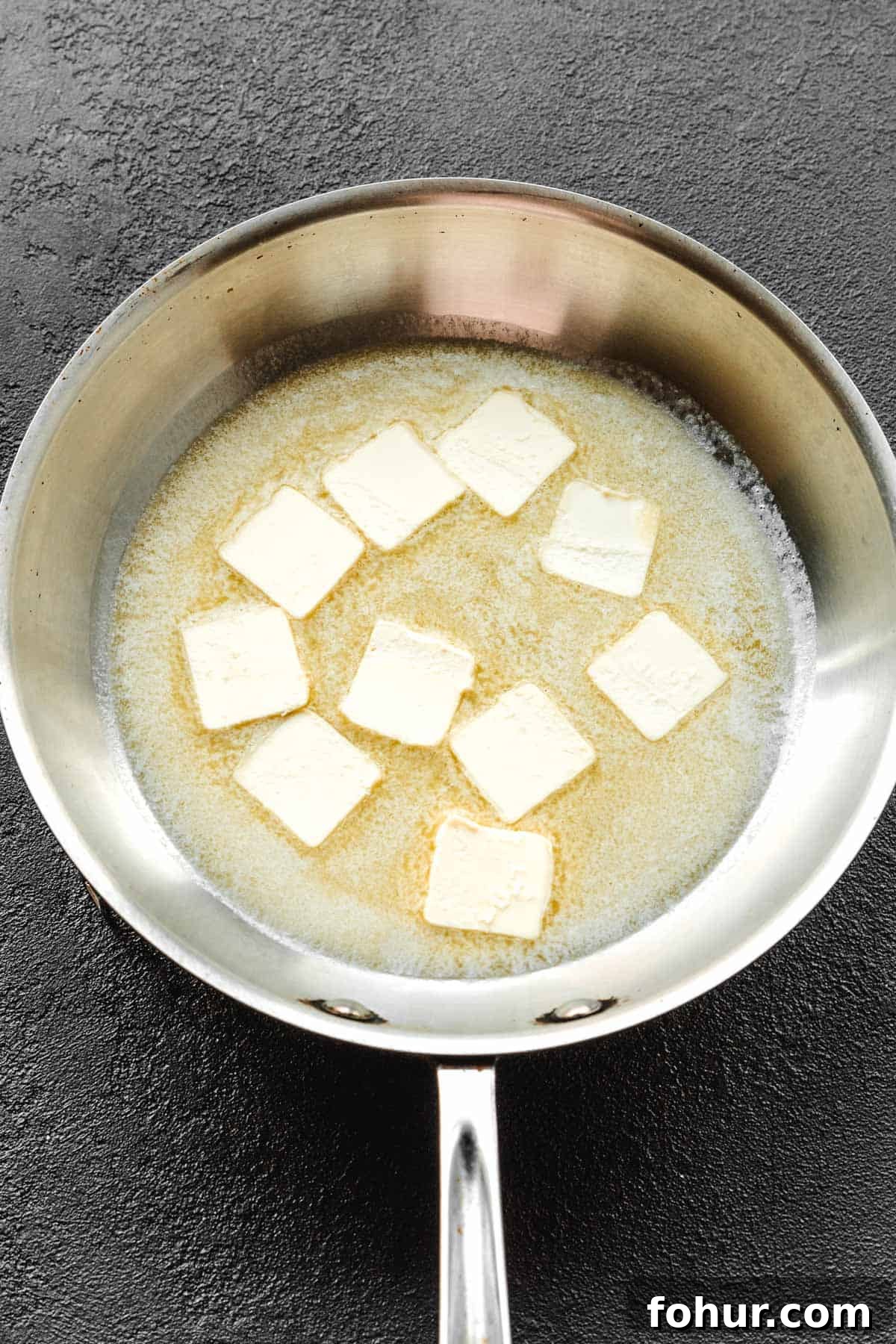
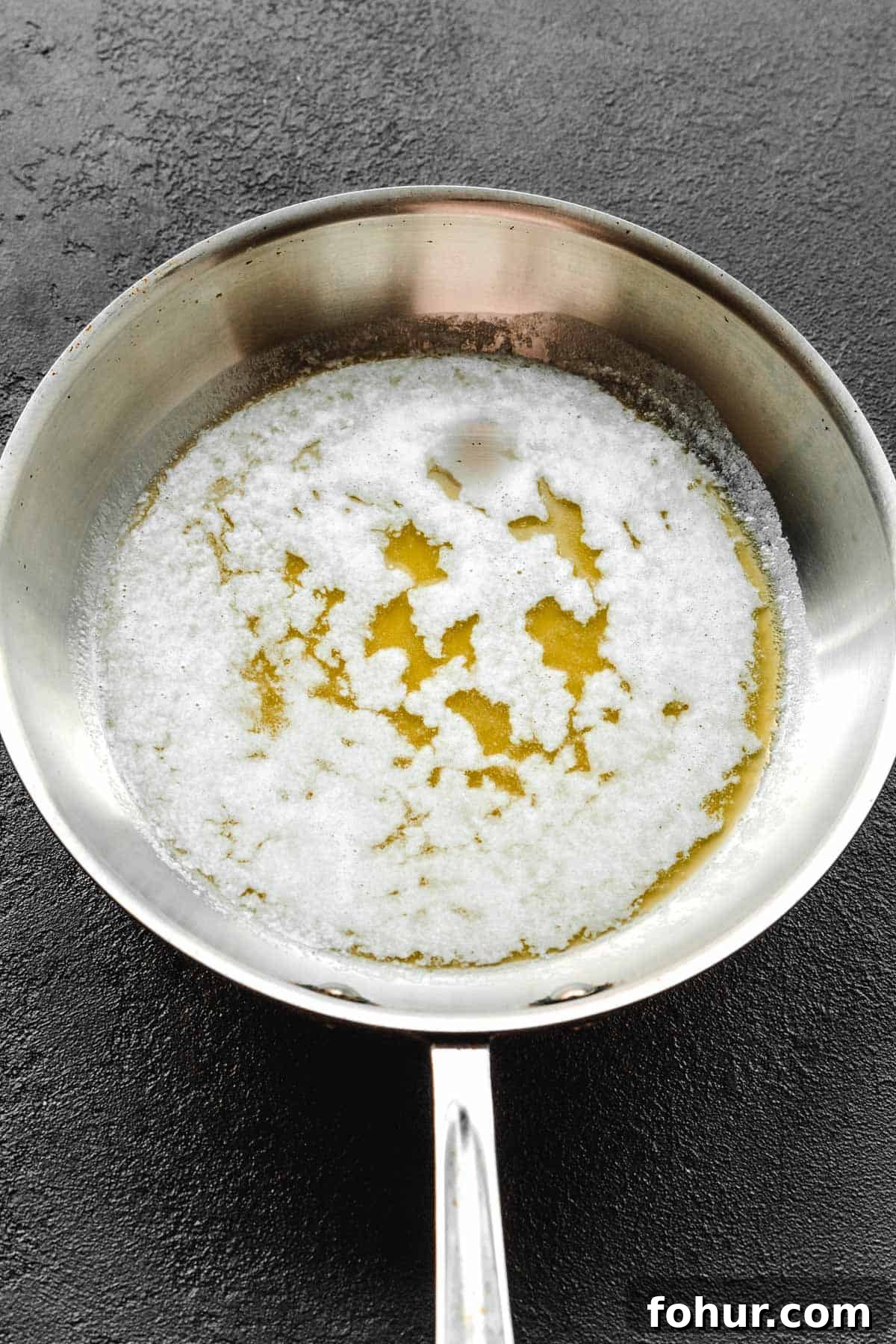
Once the butter reaches the desired color and aroma, remove the pan from heat. The residual heat will continue to cook it slightly, so err on the side of removing it a touch early.
Step 3
After cooling briefly, scrape the brown butter into a heatproof bowl or measuring cup. Be sure to include the browned bits from the bottom of the pan — that’s where much of the flavor is concentrated. Let it cool to the temperature your recipe calls for before folding into batters or doughs.
Pro tips for making brown butter
- Use a light-colored pan so you can clearly see color changes.
- A medium, shallow pan gives more even browning than a tall saucepan.
- Cook over medium-low heat to avoid scorching.
- Stir constantly and stay close to the stove — butter can go from brown to burned very quickly.
- Remember that brown butter has less volume than melted butter; measure carefully when substituting.
Enjoyed this guide? Save or pin an image to remember this technique and put brown butter to work in your next batch of cookies or cake.
FAQs about brown butter
Does the butter need to be room temperature?
No. Both cold and room-temperature butter work fine. Cold butter will simply take a bit longer to melt; cutting it into small pieces speeds even melting and reduces the chance of uneven browning.
Can brown butter be frozen?
Yes. Cool brown butter to room temperature, pour into an ice cube tray or small containers, and freeze for up to three months. Store cubes in an airtight bag or container to protect them from absorbing freezer odors. Thaw and reheat gently when needed.
For gear and tools commonly used in these steps, check your favorite baking resources or pantry essentials.
More recipes like this one
-
Salted Caramel Cookie Skillet

-
Banana Snack Cake
-
Chewy Chocolate Brownies
-
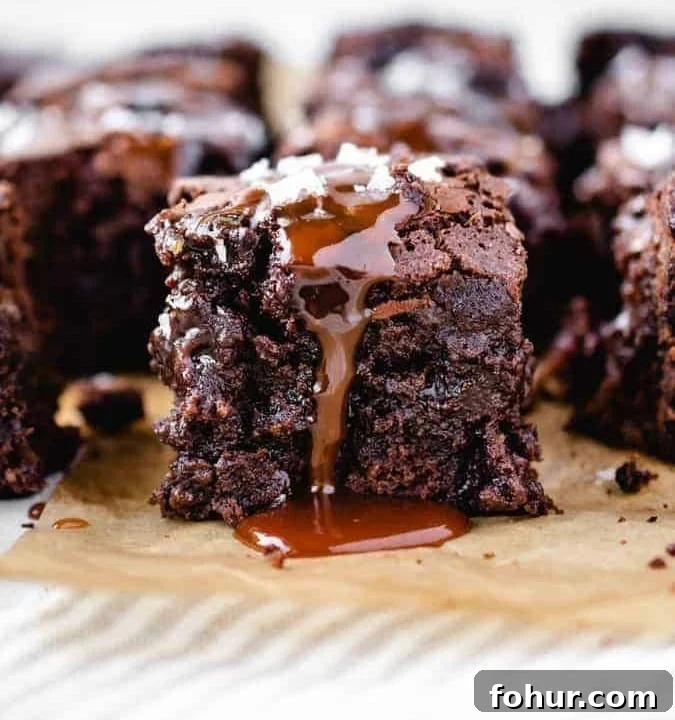
Salted Caramel Brownies
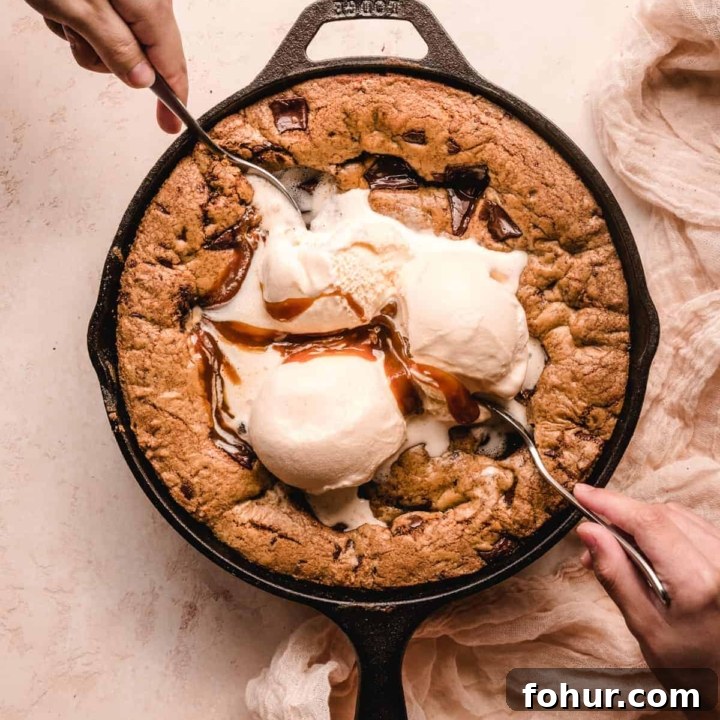
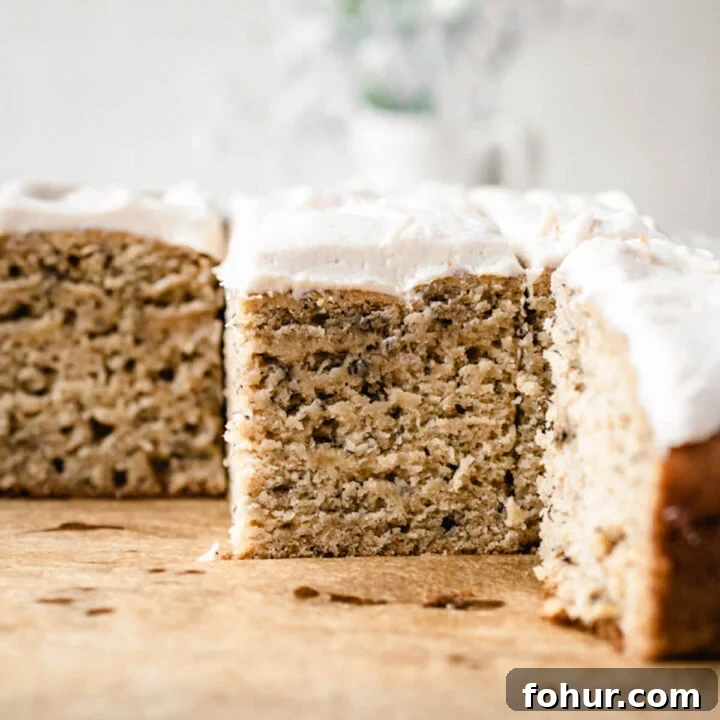
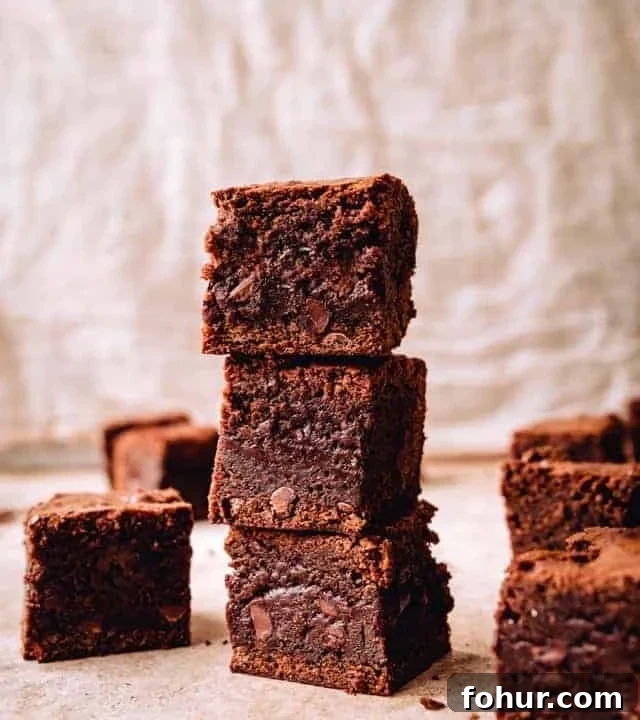
Did you try this technique? Leave a comment and rate the recipe to let others know how it turned out.
How to Brown Butter (Simple Method)
Brown butter is a quick, one-ingredient way to add nutty, caramelized flavor to baked goods and sauces. This simple method produces a flavorful beurre noisette you can use in many recipes.
Ingredients
- ½ cup unsalted butter, cut into tablespoon-sized pieces
Instructions
- Place butter pieces in a light-colored skillet over medium-low heat. Melt, stirring frequently so the butter heats evenly.
- After a few minutes the butter will foam and sputter. Continue stirring; the milk solids will separate and sink to the bottom, turning golden brown. Watch closely and remove from heat as soon as the solids are a rich brown and the aroma is nutty.
- Pour or scrape the brown butter into a heatproof bowl, including the browned bits. Cool to the temperature your recipe requires before using.
Notes
- Store brown butter in the refrigerator up to two weeks. Reheat or melt before using in recipes that call for melted brown butter.
- To freeze, cool, pour into an ice cube tray, freeze, then transfer cubes to a sealed bag for up to three months.
Nutrition (per serving)
Calories: 102 | Fat: 12 g | Protein: 1 g | Carbohydrates: 1 g