There is more to gluten-free baking than simply reaching for a bag of all-purpose gluten-free flour. Today’s supermarkets and health food shops offer a wide range of alternative flours that can make gluten-free baking far more interesting and much more rewarding.
When you choose the right combination of flours, your baked goods can gain richer flavour and improved texture compared with one-flour substitutes. Say goodbye to dry, crumbly cakes and hello to moist, tender, and flavourful gluten-free bakes.
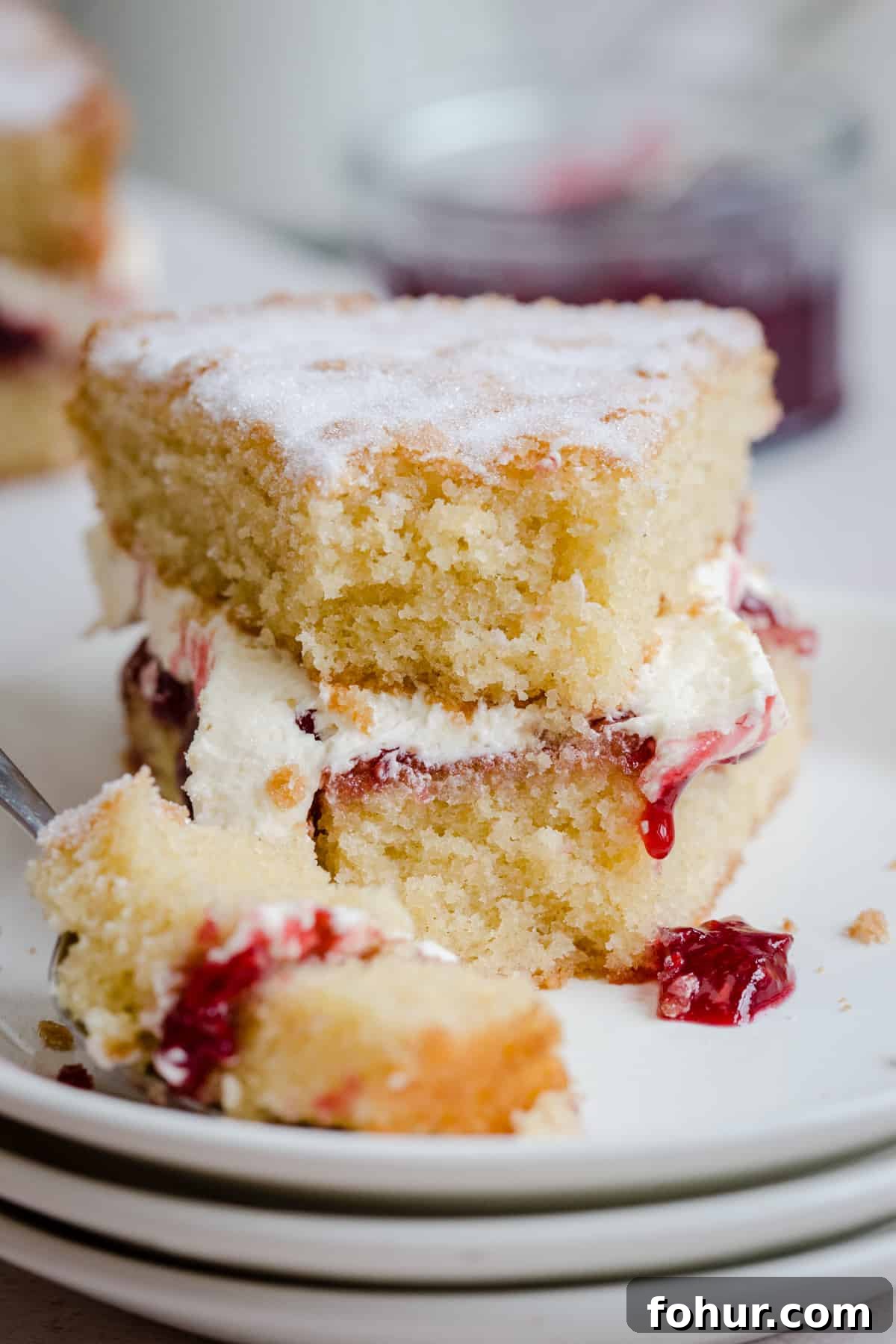
“I can’t believe that’s gluten-free!” and “This is the best cake I have ever tasted!” are comments I often hear from friends, customers and guests.
Gluten-free baked goods should not be dry, crumbly, pasty or gummy. These problems usually come from choosing the wrong flour or from using an unbalanced flour blend. There are many gluten-free alternatives available, so take time to learn what each flour does — it will make a huge difference.
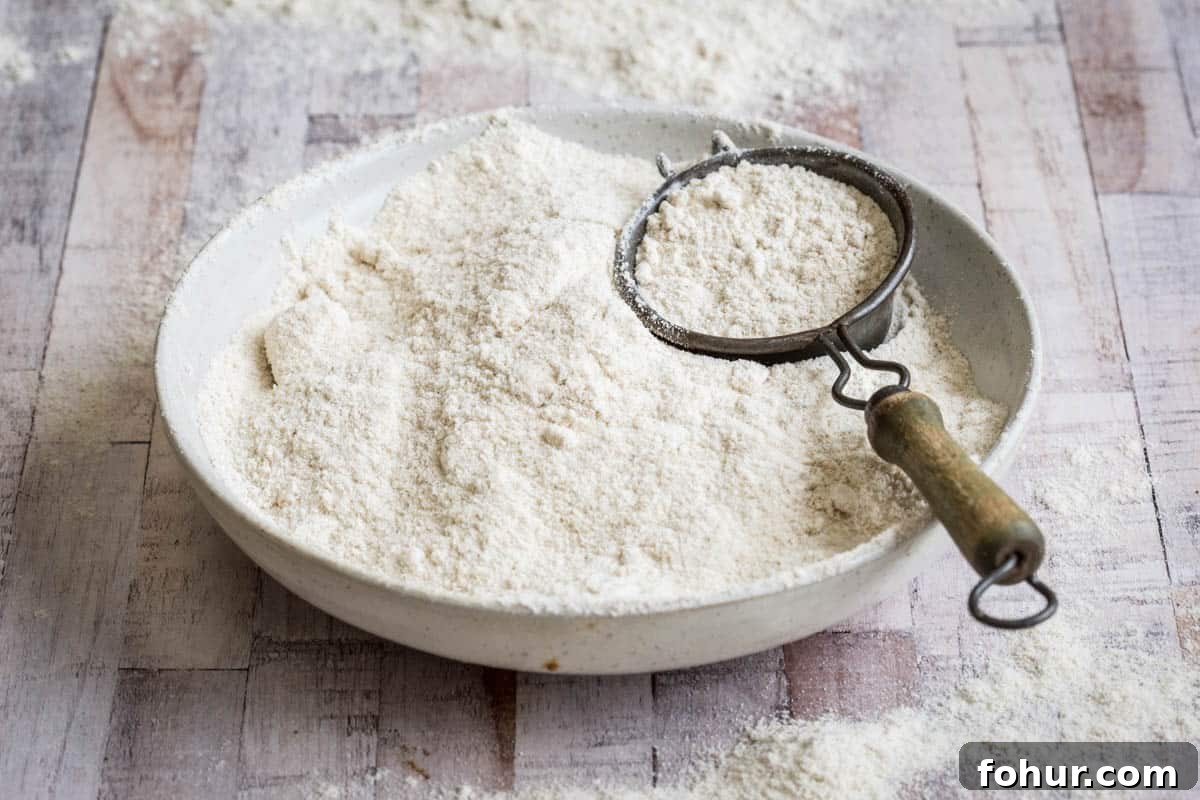
The Different Types of Gluten-Free Flours
Alternative flours generally fall into four categories:
- Wholegrain flours – examples include sorghum, teff and buckwheat.
- Starchy flours (starches) – such as sweet rice (glutinous rice) flour, tapioca starch, arrowroot and potato starch.
- Nut and seed flours – for example almond or sesame seed flour.
- Legume flours – for example chickpea (gram) flour or soy flour.
Flours within the same category often behave similarly, but flavours and textures will still vary. Availability, cost and dietary restrictions will influence which flours are practical for you. Explore a few and identify the ones you enjoy working with most.
Function of Flour in Baking
Flour is a fine powder ground from grains, seeds, nuts or legumes and it provides structure in baked goods. In wheat flour, proteins combine with liquid to form gluten, a strong elastic network that traps gas bubbles and gives breads and cakes their soft, bouncy texture.
When you remove gluten, you still need flours that can deliver structure, texture and flavour. Choosing appropriate gluten-free flours — and often combining several — is the key to success.
Gluten-Free Baking
Removing gluten means you must replace its structural and textural roles. Gluten-free flours need to provide three main things:
- Structure
- Texture
- Flavour
Other tools, such as eggs, extra protein flours, or gums can assist, but selecting the right flour combination is the foundation of good gluten-free baking.
Structure
Wheat gluten binds baked goods with strong, elastic bonds so they hold together and rise. In gluten-free baking, a few flour types are best at replacing binding properties:
Best gluten-free flours for binding
- Tapioca flour (tapioca starch)
- Arrowroot
- Cornflour (cornstarch)
- Sweet rice flour (glutinous rice flour)
- Potato starch
High protein flours
High-protein flours such as almond or chickpea flour help provide structure and retain moisture, reducing crumbliness. They won’t recreate gluten exactly but they contribute useful protein bonds and texture, especially in breads and pastries.
Leavening
Gluten’s elasticity works with yeast or chemical leaveners to trap gases and create rise. Gluten-free flours usually don’t offer this same elasticity, so bakes can be denser. Combining higher-protein flours, proper leavening agents, and techniques (such as beating eggs to incorporate air) will improve lift.
Texture
Different gluten-free flours produce different textures. Some tips:
- Buckwheat is dense and excellent for strongly flavoured bakes.
- Oat flour is light and works well for sponges and layer cakes.
- White rice flour is delicate and suits pancakes and fine-textured cakes.
- Cornflour lends a creamy, shortbread-friendly texture.
- Starches (tapioca, potato) can add lightness but too much may cause gumminess.
- Nut and legume flours retain moisture but can make a dense crumb if overused.
Balancing flours avoids common issues such as gumminess, pastiness or graininess. Experimentation and following reliable ratios will help produce consistent results.
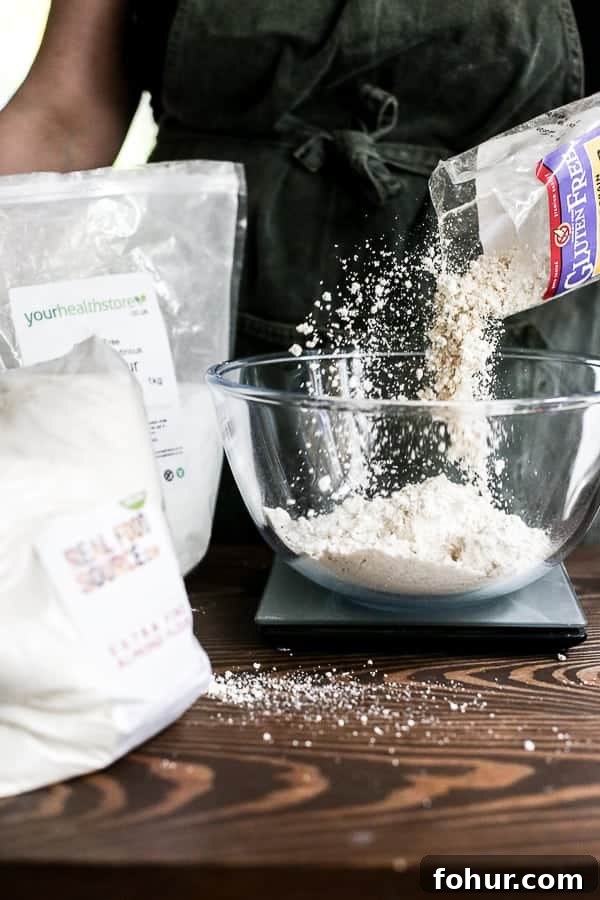
Flavour
Plain white flour is neutral, which is useful for many recipes. Alternative flours, however, often bring distinctive and pleasant flavours that can enhance a recipe:
- Teff has a malty, molasses-like note and suits richer cakes.
- Sorghum offers an earthy background that pairs well with fruit and spices.
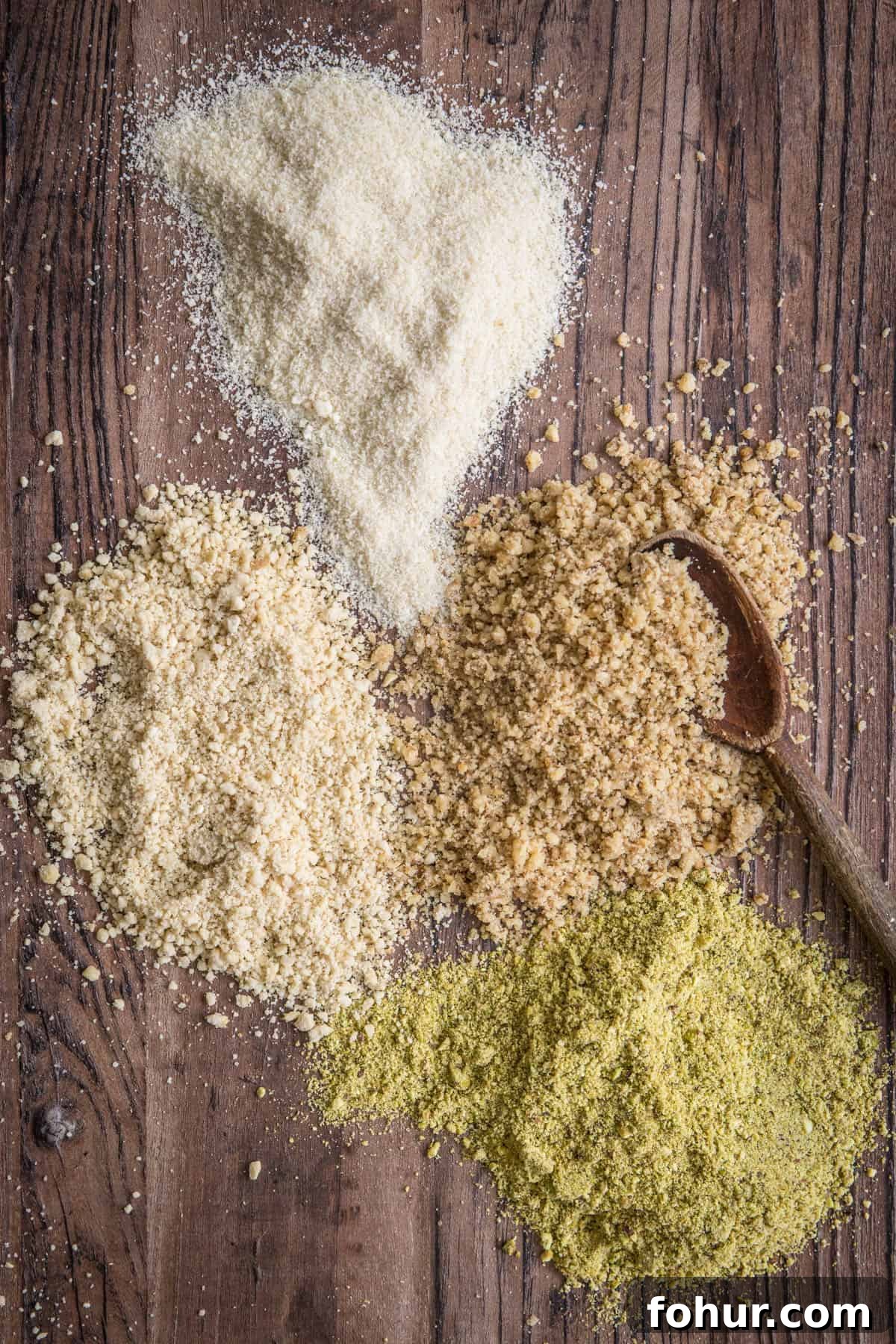
- Pistachio and other nut flours add subtle, nutty complexity.
If a gluten-free bake tastes odd, the wrong flour choice is often the cause. Match the flour’s flavour to the recipe or combine with neutral flours to tame strong notes.
What Is the Best Gluten-Free Flour to Use?
There’s no single gluten-free flour that performs exactly like all-purpose wheat flour. Relying on one flour usually produces imbalanced results — too stodgy, too grainy, too dry or too dense.
Common pitfalls when using a single flour:
- Sweet rice flour — can be too sticky or stodgy.
- White rice flour — can be grainy.
- Coconut flour — highly absorbent and can dry out bakes.
- Oat flour — can be crumbly if used alone.
- Almond flour — moist but can create dense crumbs if overused.
To get balance you will usually need to blend flours.
Can I Just Replace Regular Flour With Gluten-Free Flour?
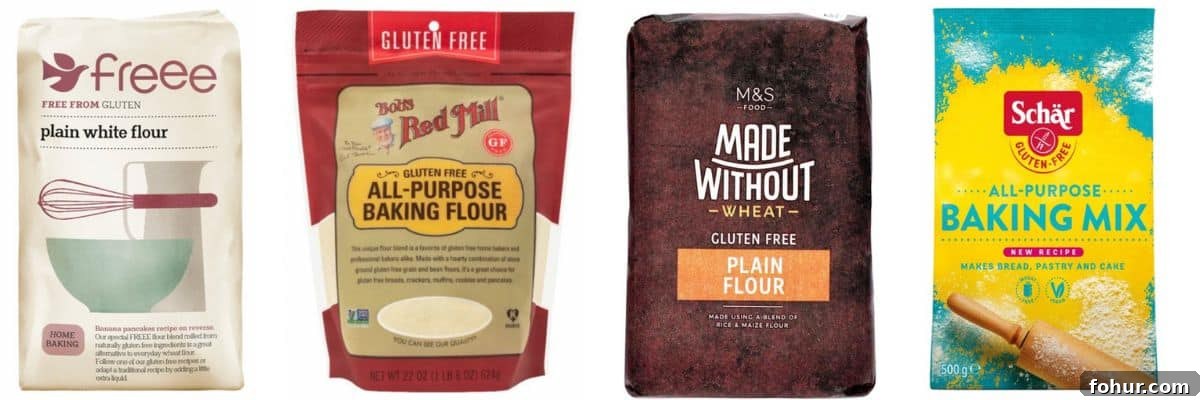
Pre-mixed all-purpose gluten-free blends are helpful when you’re starting out, but results vary by brand because blends differ in composition. Some contain mostly starches, others include bean flours or oats. Always check ingredients for allergens and tolerance.
Branded blends can work well in recipes with little flour—brownies, friands and some cookies—but for many cakes and breads you’ll get better results by tailoring a blend and, where possible, adding a higher-protein flour like almond to stabilise the mix.
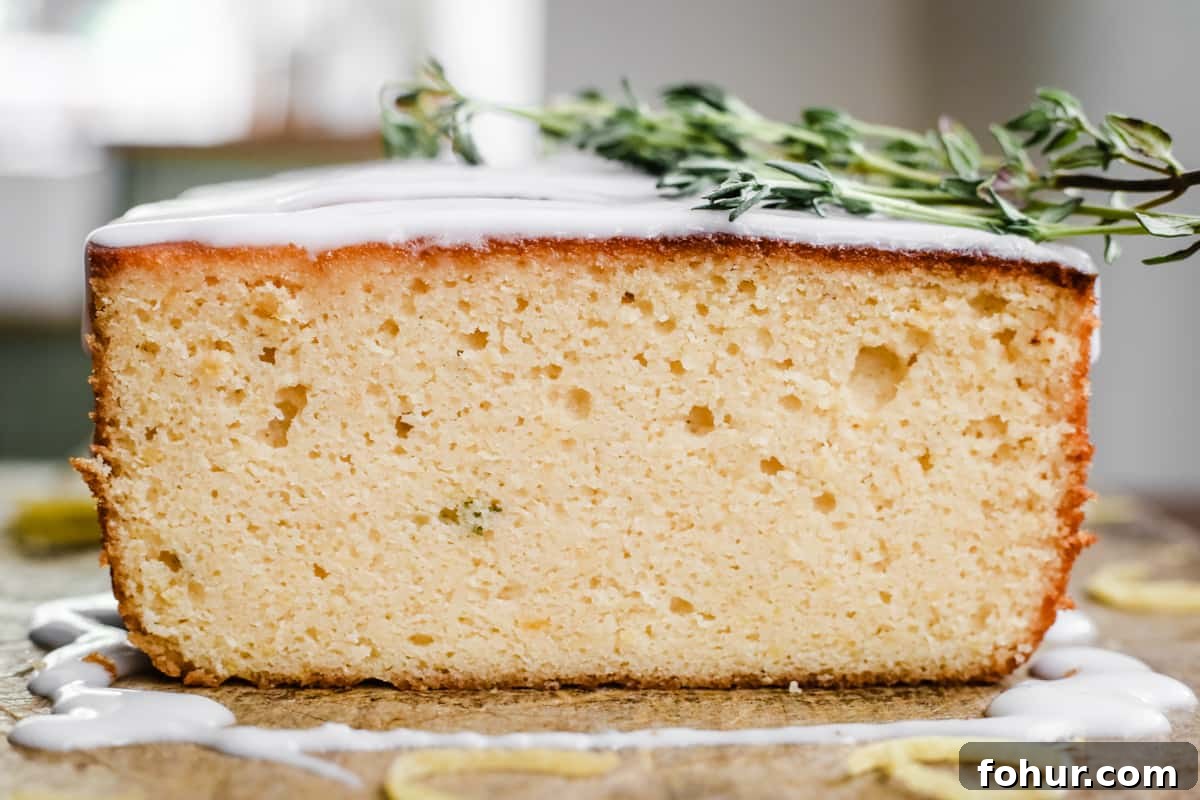
How to Create Your Own Gluten-Free Flour Blend
A reliable approach is to combine wholegrain flours for flavour and texture with starches for binding. A useful starting ratio is:
70% wholegrain flours (1–2 different flours) : 30% starch (1–2 different flours)
Using 3–4 flours in a blend creates balance and reduces the risk of textural problems. If allergies permit, include a nut or legume flour (for example almond or chickpea) to add protein, moisture and improved structure.
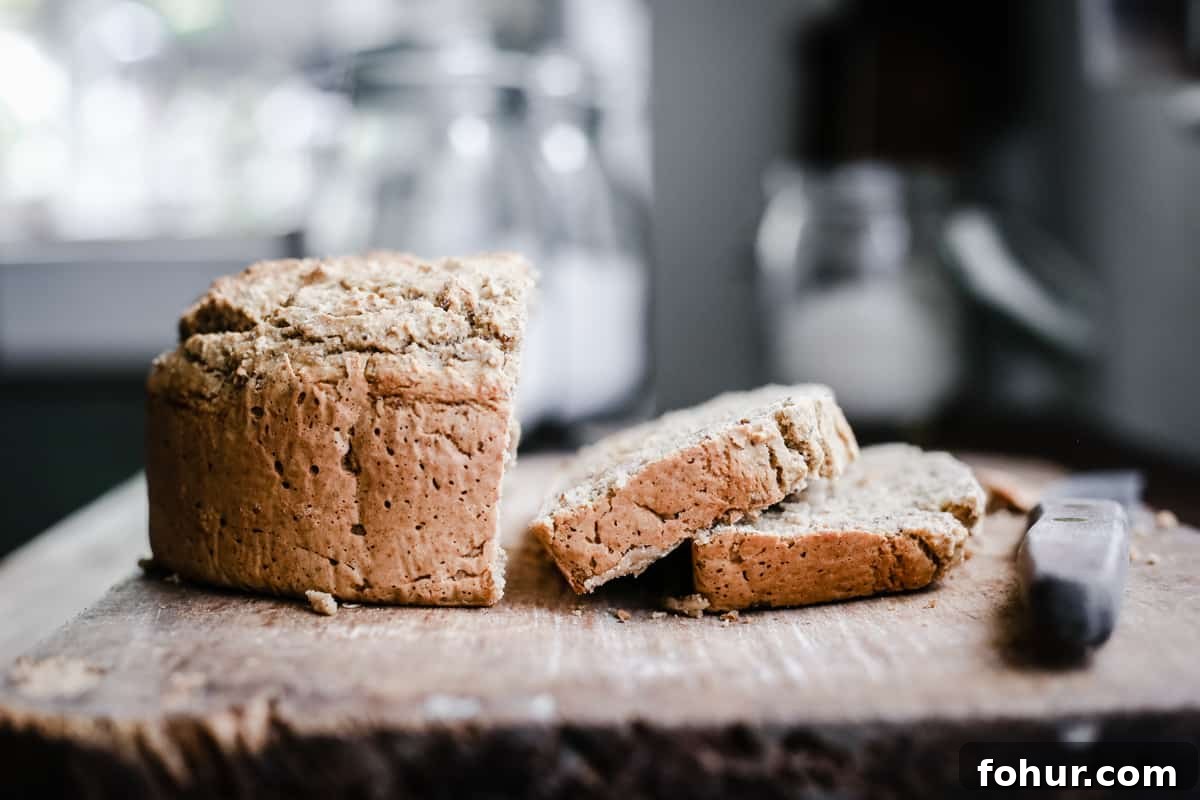
How to Start Experimenting
- Understand that gluten delivers structure and elasticity.
- Recognise you’ll often need more than one gluten-free flour in a recipe.
- Use the 70:30 guideline as a starting point for blends.
- Begin with easy cake or muffin recipes to test small swaps and adjustments.
Replace small proportions of a pre-mixed blend with single flours to see how each affects texture and flavour. Keep notes and adjust slowly — that way you’ll learn what each flour contributes and build recipes that consistently succeed.
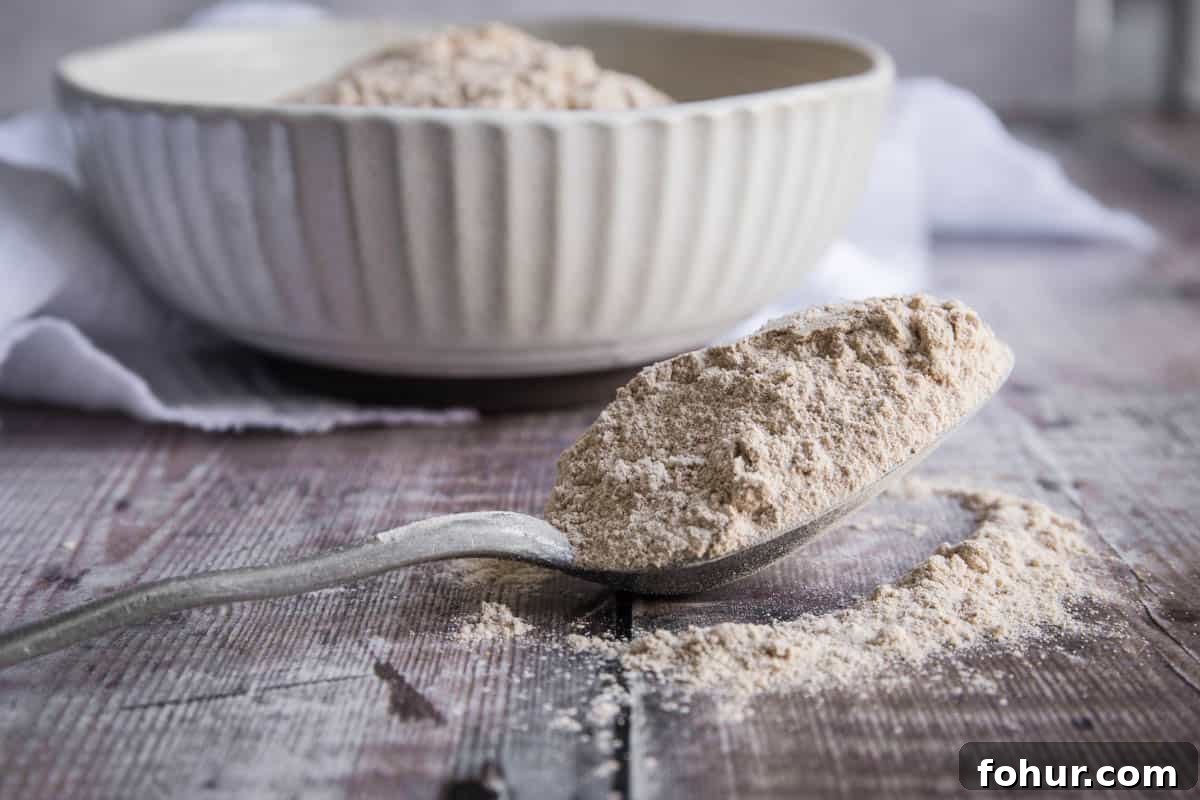
Get to Know Your Gluten-Free Flours
If you want to go deeper, explore guides and recipe tests for individual flours such as nut flours, white rice, sweet rice, oat flour, buckwheat, tapioca, teff, sorghum, green banana and cassava. Learning each flour’s strengths will help you build blends that perform well across cakes, bread, biscuits and pastries.
With a little practice and a willingness to experiment, gluten-free baking becomes an exciting way to discover new textures and flavours. Start simple, keep notes, and gradually refine your blends for consistently delicious results.