Each school day, more than 28 million students receive meals through the National School Lunch Program (NSLP). That amounts to roughly 95,000 programs delivering over half of many students’ daily calories. These meals are important: research shows students in the NSLP generally have better diet quality than peers who do not participate, largely due to federal nutrition standards for school meals.
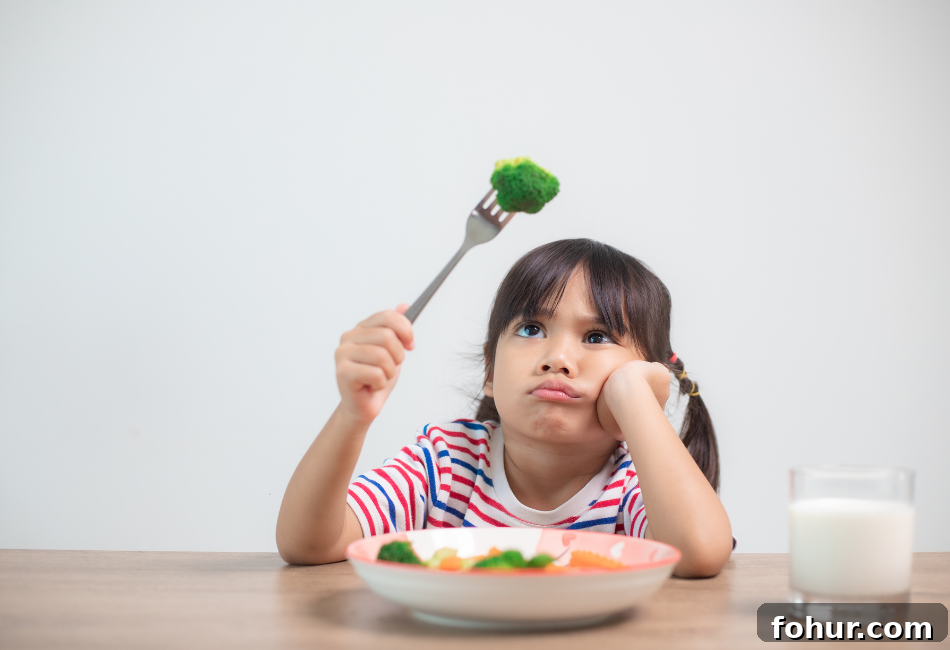
However, serving nutritious items does not guarantee they will be eaten. Plate waste is a persistent challenge nationwide, especially for vegetables. The USDA’s School Nutrition and Meal Cost Study reports that nearly one-third of vegetables served in school lunches are discarded.
The Price of Plate Waste
Plate waste measures the amount of food served that ends up uneaten and thrown away. Waste matters for many reasons. When students discard food, they miss out on calories and nutrients: USDA data suggest students may forfeit more than a quarter of the vitamin A, vitamin C, vitamin D, calcium, and potassium offered at lunch. These nutrients are valuable and the loss has real consequences for health.
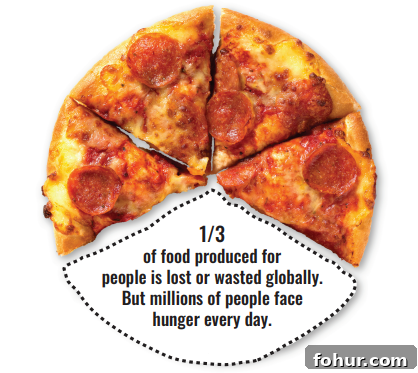
Beyond nutrition, wasted food represents wasted resources used to grow, process, transport, and prepare meals. Food that ends up in landfills also contributes to greenhouse gas emissions. Economically, school food waste is significant: estimates suggest it costs schools and communities millions each day.
Some have suggested that stricter nutrition rules introduced in 2012—such as weekly vegetable subtypes and minimum fruit and vegetable servings—might have increased waste. Research does not support this overall claim. Still, vegetables remain the food group most commonly discarded, with some observations indicating very high discard rates for selected vegetables.
It’s easy to understand why vegetables are often wasted. Many households buy fresh produce that spoils before it is eaten. Vegetables can be less appealing to children than sweeter or more familiar options, and they sometimes require more preparation than convenience foods. Addressing plate waste for vegetables therefore requires thoughtful strategies.
Fresh Is Preferred
There are many tactics schools can use to boost vegetable intake—adding veggies to familiar dishes, using creative names, or offering them in smoothies. One clear finding is that students tend to prefer raw, fresh vegetables. Across age groups, from elementary to high school, children are more likely to select and eat raw vegetables than cooked options.
While the reasons are not fully known, texture and aroma likely play a role. Vegetables can become soft, bitter, or have stronger odors when cooked, while fresh vegetables often have a crisp texture and familiar appearance that many students find appealing.
That said, canned and frozen vegetables are still nutritious and useful for school programs. Recognizing a general student preference for fresh produce can help schools plan menus and serving methods that reduce waste.
Sharpen Your Skills
A successful school nutrition program focuses on making vegetables attractive and easy to eat. When choosing and preparing fresh produce, pay attention to:
- Color: Fresh vegetables should look vibrant. Avoid produce with dull or discolored skin or large dark spots.
- Texture: Look for firm, crisp produce without soft spots or wilting.
- Smell: Fresh vegetables have a clean, earthy scent; avoid items with off odors.
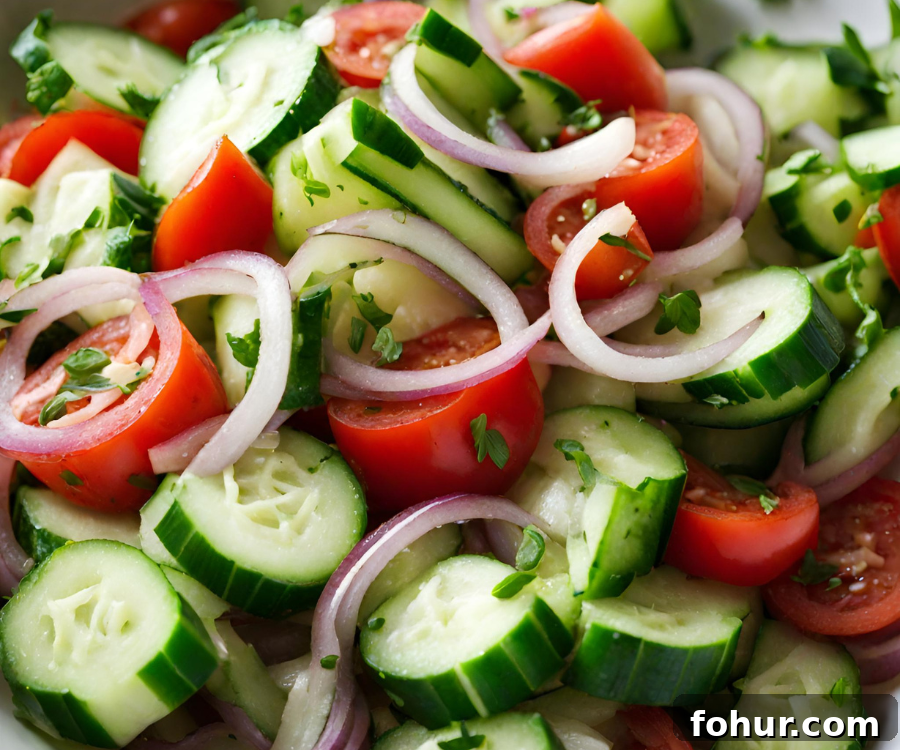
Serve seasonal produce when possible—it is often less expensive and of higher quality. For example, in warmer months, sliced cucumbers and cherry tomatoes make bright, refreshing sides.
A simple cucumber, onion, and tomato salad is a great summertime side that showcases fresh produce with a sweet-tangy dressing.
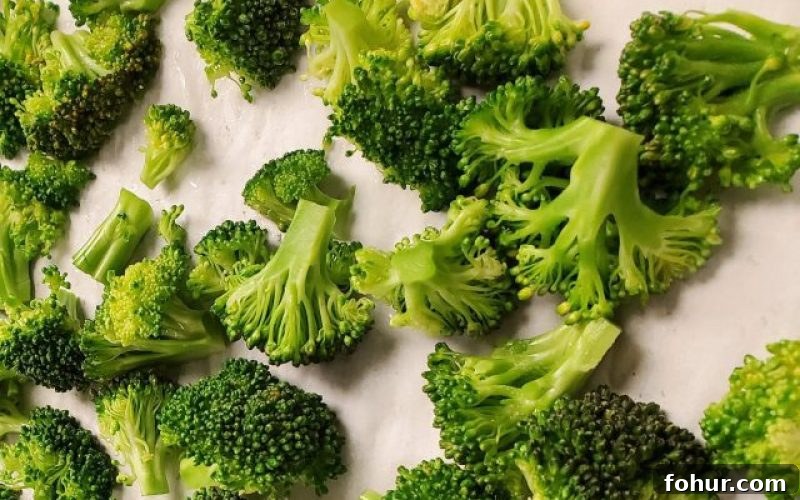
Students tend to eat vegetables that are uniform in size, visually appealing, and easy to handle—free of tough skins or large seeds. If kitchen staff need quick refreshers, brief culinary training on cutting and simple techniques like blanching can improve color and texture and make vegetables more appealing at service.
Offer Options
Children appreciate choice. Offering several vegetable options increases the chance that each student finds something they will eat. This does not need to complicate service: within each NSLP vegetable subgroup, select a couple of easy, fresh options.
Red/orange subgroup → baby carrots, red bell pepper sticks, cherry tomatoes
Dark green subgroup → broccoli florets, spinach salad, kale salad
Other vegetables → cucumber slices, celery sticks, green bell pepper slices
Students also prefer some control over portion and selection. Self-service options like salad bars or build-your-own stations let students choose the types and quantities of vegetables, reducing waste by matching offerings to preferences and appetite.
Add a Dip
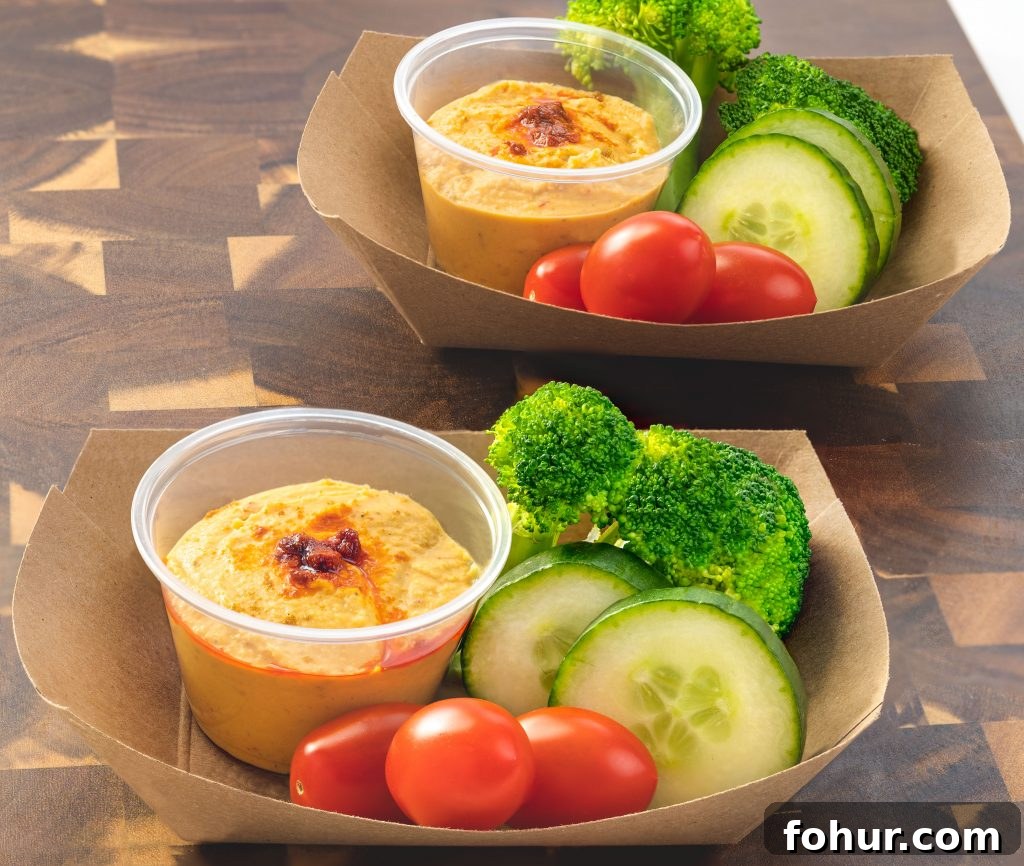
Flavor is a major motivator for young eaters. Because many vegetables are not naturally sweet or highly flavorful, serving a dip alongside fresh vegetables can make them more appealing. Dips add taste, contrasting texture, and an element of fun—students enjoy dipping, which can increase consumption.
Hummus is a popular, flavorful option that pairs well with many vegetables. There are many variations—beet hummus, lemon-spiced hummus, or pea-based versions—that can keep offerings interesting.

Swapping chickpeas for other beans or lentils creates new dips with different flavors and textures, such as black bean dip or red lentil spreads. These can be nutritious, protein-rich accompaniments to vegetables.
Ranch-style dips remain a top favorite among students. Combining a creamy base—such as yogurt, buttermilk, or a light mayonnaise—with herbs and spices gives vegetables a familiar, kid-friendly flavor.
A simple ranch yogurt dip is an easy crowd-pleaser and pairs with many fresh vegetables.
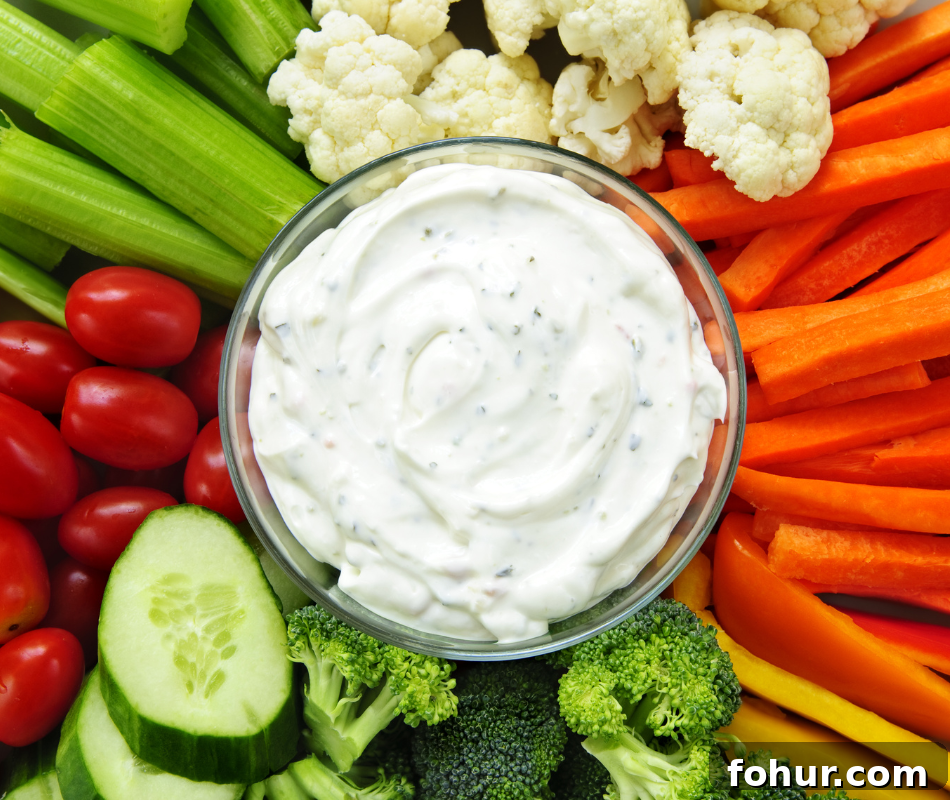
Yogurt-based vegetable dips offer a probiotic and protein boost while delivering familiar flavors that support vegetable consumption.
Grab and Go
Convenience strongly influences what children choose to eat. Research has shown that students are more likely to eat fruit when it is pre-sliced rather than whole. The same principle applies to vegetables: pre-cut, portable options make it easier for students to eat them within short lunch periods.
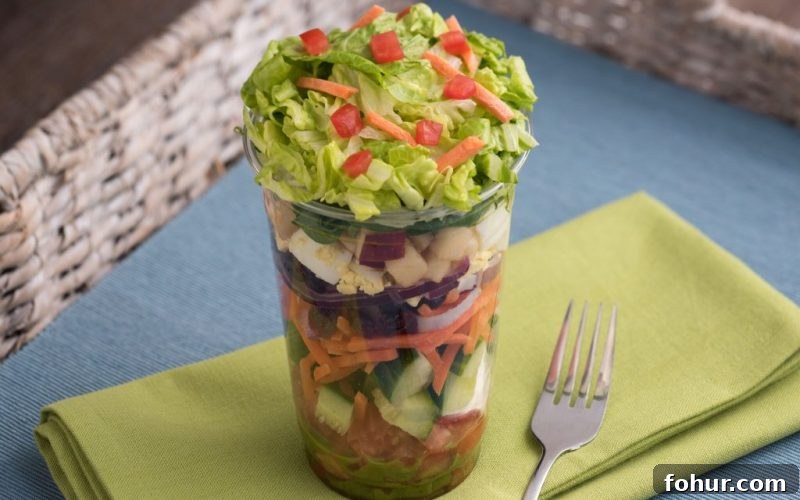
Packaged salad shakers, pre-portioned veggie cups, or simple bowls of sliced vegetables in souffle cups or bags make consumption more convenient and reduce the likelihood that students will skip healthy items because they are hard to eat between classes.
Salad shakers and similar grab-and-go options are fun and make it easy for students to eat a variety of fresh vegetables.
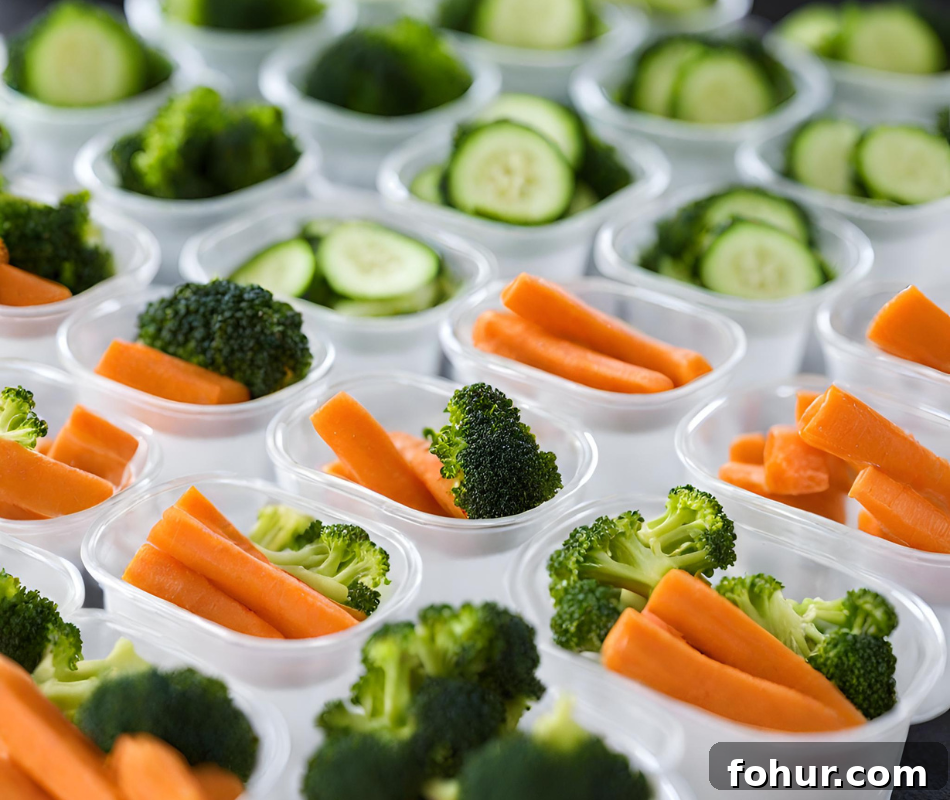
A Veggie Cruncher Bowl—assembled with sliced vegetables in small bowls or cups—offers an easy, attractive side that students can take and eat.
Eliminate the Competition
Starchy vegetables—like potatoes, peas, and corn—are familiar, filling, and popular with students. Because they are inexpensive and satisfying, starchy items often outcompete other vegetable subgroups on the plate. When a potato-based side is available alongside non-starchy vegetables, students will often choose the starchy option instead.
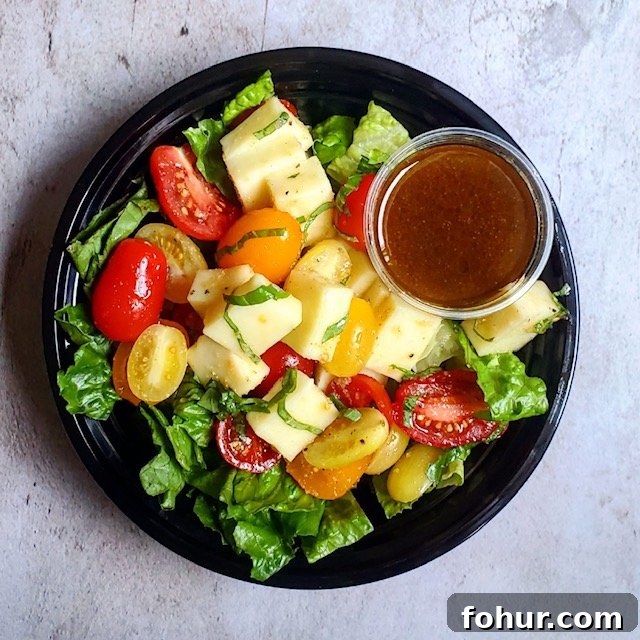
To encourage consumption of a wider variety of vegetables, consider rotating days when starchy sides are limited so non-starchy vegetables can take center stage. Presenting non-starchy vegetables attractively and pairing complementary colors and flavors can also boost appeal—for example, a tomato, basil, and mozzarella salad that emphasizes fresh ingredients and visual contrast.
Think Beyond the Cafeteria
Increasing vegetable consumption and reducing plate waste also involves activities beyond meal prep:
- Taste tests: Let students sample new or less familiar vegetables and recipes. Tasting opportunities increase familiarity and acceptance.
- Nutrition education: Integrate lessons that teach where vegetables come from, their health benefits, and the environmental and economic costs of food waste. Hands-on demonstrations or classroom activities can reinforce these ideas.
- School gardens: Growing produce on campus connects students to food and often increases their willingness to try what they helped cultivate. Composting uneaten scraps can return nutrients to the garden and reduce waste.
- Farm-to-school efforts: Sourcing local ingredients can strengthen community ties, support farmers, and make produce fresher and more appealing to students.
In summary, plate waste is a widespread concern in school meal programs, with vegetables contributing the largest share of discarded food. Recognizing that many students prefer fresh, raw vegetables and applying strategies—improving kitchen techniques, increasing choice and convenience, pairing vegetables with dips, and reinforcing education and garden programs—can reduce waste and improve student nutrition.
References
[1] “School Meal Statistics.” School Nutrition Association. Accessed 9 Apr. 2024.
[2] “School Nutrition and Meal Cost Study: Summary of Findings.” United States Department of Agriculture, 7 Apr. 2019.
[3] Cohen, Juliana F. W., et al. “Impact of the new U.S. Department of Agriculture school meal standards on food selection, consumption, and waste.” American Journal of Preventive Medicine, vol. 46, no. 4 (2014): 388–394.
[4] Handforth, Kellyn M., et al. “Fruit and Vegetable Plate Waste Among Students in a Suburban School District Participating in the National School Lunch Program.” The Journal of Child Nutrition and Management, vol. 40, no. 1, 2016.
[5] Zhao, C., Panizza, C., Fox, K., et al. “Plate Waste in School Lunch: Barriers, Motivators, and Perspectives of SNAP-Eligible Early Adolescents in the US.” Journal of Nutrition Education and Behavior, 51(8), 2019.