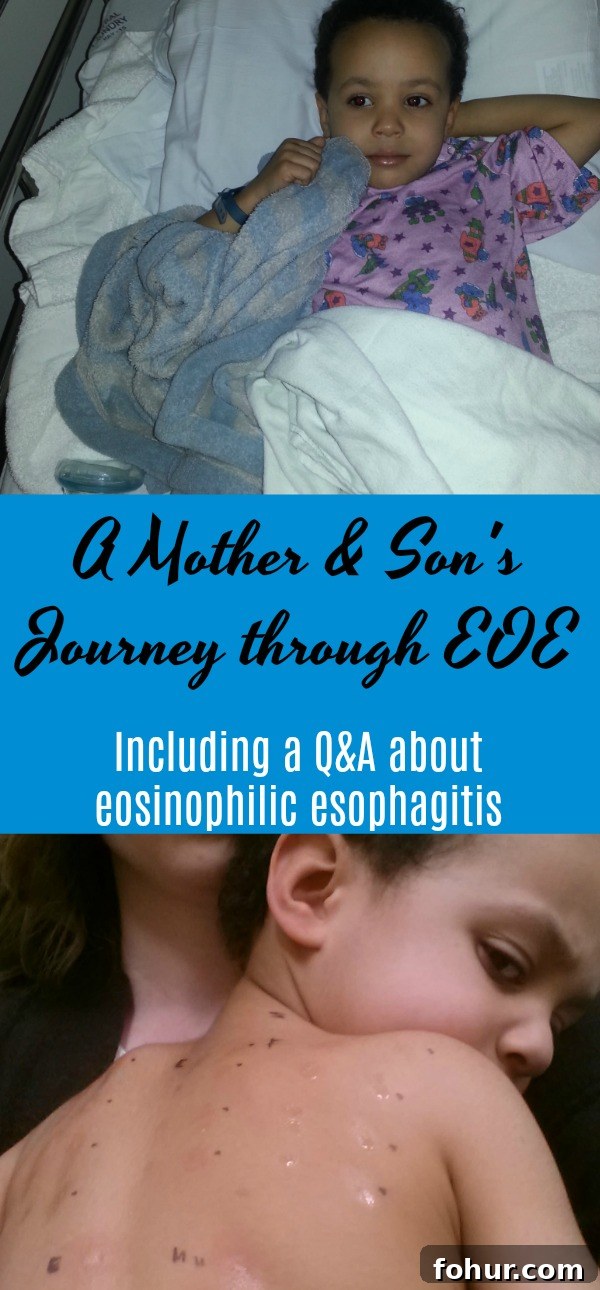
Next month will mark five years since my son was diagnosed with eosinophilic esophagitis (EOE). We’ve tried many approaches and have settled into life managing this rare condition. Because this blog reaches many people, I get frequent questions about how we handled diagnosis, testing, diet and daily life. I’m sharing our experience here to make it easier for other families to find practical information and talking points to discuss with their medical team.
Please note: this is our personal experience and not medical advice. Use it to inform discussions with your child’s doctors.
What is eosinophilic esophagitis?
Eosinophilic esophagitis is a chronic allergic inflammatory disease of the esophagus. In EOE, eosinophils— a type of white blood cell—accumulate in the esophageal tissue and cause injury and inflammation. This damage can make eating painful or difficult, lead to poor growth, chronic pain, and problems swallowing.
In simple terms: my son has typical food allergies, and his esophagus also reacts to certain foods. When he eats a trigger, it can inflame and damage his esophagus, causing pain, swelling and, in some cases, food impaction.
What were his early symptoms?
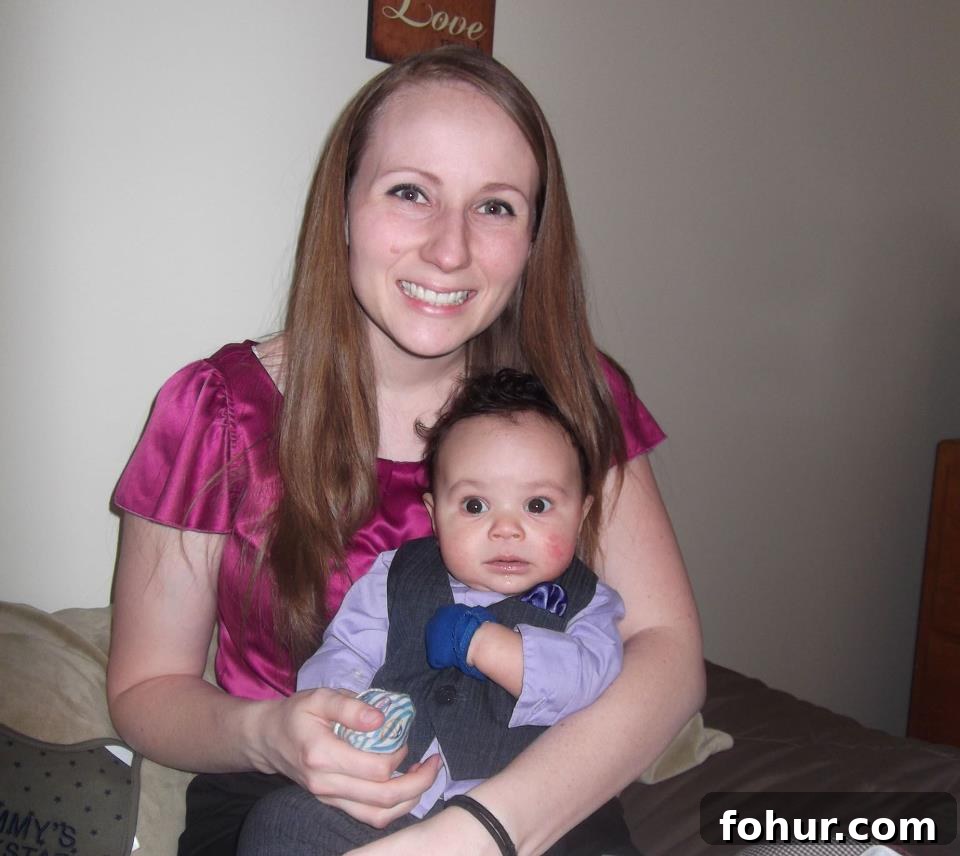
His symptoms began very young. Around two months he developed red rashes on his cheeks after nursing, had mucousy, watery stools and frequent diaper blowouts. As we introduced solids he disliked many foods, vomited often, had recurring cheek rashes and dropped percentiles on growth charts. By the time we saw a specialist his weight was nearly off the growth curve.
How is EOE diagnosed and how old was he?
The only definitive diagnosis is with an EGD (esophagogastroduodenoscopy) with biopsies. A pathologist examines tissue samples for eosinophils. At eleven months, after a severe allergic reaction and very high blood eosinophil counts, his doctors recommended a scope. He received the confirmed diagnosis at 14 months.
How does he do after an EGD (scope)?
He tolerates scopes well. The procedure is brief (often around 15 minutes under anesthesia) and biopsies are taken with a small instrument. Afterward he usually drinks and tolerates soft foods within a day. We use Tylenol if needed. Recovery varies with the amount of damage and number of biopsies taken.

How did you determine his EOE triggers?
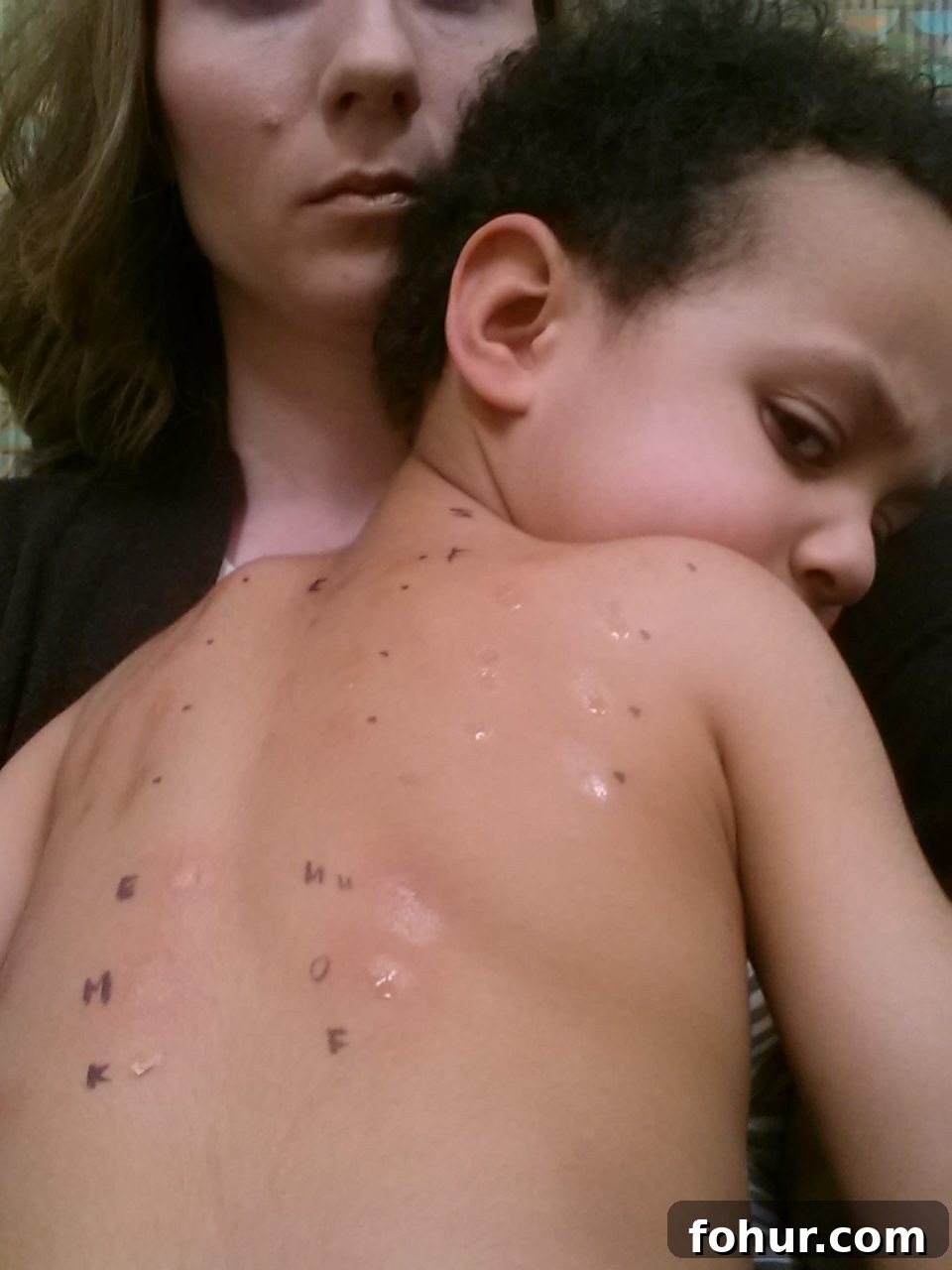
Identifying triggers can feel like finding a needle in a haystack. At the time we started, our allergist used both skin prick testing and atopy patch testing to screen dozens of foods. Patch testing involves applying a paste of the food to the skin under a patch to see if there is a delayed reaction. We tested over 100 foods across many visits. If he passed both skin tests, we introduced foods orally, one at a time, while carefully watching for reactions.
Medical recommendations have evolved, and current literature questions the reliability of these skin tests for predicting EOE triggers. Still, they were helpful for us in a few unexpected cases, though many families find different approaches more efficient today.
Do you scope for more than one food at a time?
Yes, we sometimes scoped after introducing multiple foods, which carries the risk of not knowing which food caused a problem if the scope shows inflammation. We only did this when we were confident the foods were likely safe based on testing and observation. Timing scopes outside high pollen seasons can help avoid environmental confounders.
What helped the most?
A knowledgeable medical team, a dietitian experienced with limited pediatric diets, supportive family and friends, and peer support groups were invaluable. Local and online communities helped me learn practical tips and feel less isolated. Taking care of my own mental health was also crucial.
Would you recommend a dietitian for EOE?
Yes. A dietitian who understands restricted pediatric diets can assess nutritional intake, identify deficiencies and suggest strategies—supplements, fortified foods, calorie boosting techniques—to ensure growth and development. That reassurance was a huge relief for our family.
Did your son ever need a feeding tube?
Not in our case, although it was discussed. Some children, especially those on elemental formula, do require feeding tubes. We worked closely with our dietitian to increase the number of safe foods and boost calories with blended meals and added oils, which helped us avoid tube feeding.
How did you ensure he got enough calories?
We focused on calorie-dense foods: full-fat alternatives, dark meat, healthy oils and blended meals so he could consume more variety and volume in a palatable form. Adding a tablespoon of olive oil to purees and using naturally fatty ingredients helped maintain weight and growth.

Waiting to be taken back to surgery.
Was testing him early a good decision?
Yes. Diagnosing him early helped us prevent prolonged damage while he was developing food preferences and social awareness. Early intervention gave us time to identify safe foods and build a balanced diet before his peers influenced him.
How often did you scope?
We scoped about every six months early on, then moved to yearly once his diet stabilized. Now we are trying longer intervals as he advocates more for himself. Frequency is a personal decision based on symptoms, treatment goals and finances.
Should I join a support group for EOE?
Yes. Support groups provide practical tips, emotional validation and community. Use them as a resource, but balance time online with positive, restorative activities for your mental health.
Avoidance for anaphylaxis vs. avoidance for EOE
Anaphylaxis requires strict avoidance and vigilance against cross-contact. EOE triggers are managed more variably; some people tolerate trace exposure, while for others even occasional contact can cause esophageal damage. Pay attention to how your child reacts and work with your care team to set safe boundaries.
What foods can your son eat?
I maintain a list of his safe and unsafe foods on my site and share recipes geared toward top allergen–free cooking. Over time we expanded his safe-food list from a handful to dozens through careful testing and observation.
How do you ease EOE flare symptoms?
Occasionally he has throat clearing or mild discomfort. Some families find short-term antacids, PPIs or swallowed topical steroids helpful, but any medication choice should be discussed with a physician. We used a brief course of swallowed steroid early on to help healing when his esophagus was badly inflamed.
Did EOE affect other development?
He experienced delays in crawling, walking and speech, and we pursued therapy and feeding therapy. He has since caught up fully and now attends mainstream school, plays sports and does well academically.
What if my doctor won’t take me seriously?
Start with your pediatrician and document symptoms, growth data and a food journal. If concerns persist, request referral to a specialist. Keeping a clear, dated record and a list of specific questions helped me advocate effectively for my son.
How do you cope emotionally and practically?
Allow yourself to grieve losses, find a supportive community, practice self‑care, and let trusted friends and family help. Keeping a food journal, working with a dietitian and finding peers who understand the condition reduced the burden over time.
How did you introduce and maintain a limited diet?
Starting before social food pressures made a difference. We used a high-quality blender to create smooth purees and smoothies that combined safe ingredients, and used spices and variations to add interest. Introducing one new food at a time and tracking responses was crucial.
What did you include in your food journal?
Our simple log recorded date, meal time, foods eaten, frequency, and any skin, bowel or throat reactions, plus any vomiting or unusual symptoms.
Can we do this?
Yes. It’s hard at first, but families adapt. With time, the right team and community support, children with EOE can thrive. Give yourself grace, gather resources, and remember you can do hard things.
Where to find recipes and practical help
I focus this blog on allergy-friendly recipes and share meal ideas and resources for families managing food restrictions. I also host live Q&A sessions on social media where readers ask questions in real time.
DON’T FORGET TO SAVE THIS POST FOR FUTURE REFERENCE.