Starting a Backyard Garden with the Kids: Cardboard Letter Planters and More
This year I’ve caught the gardening bug in a big way. I can already picture a small plot in the backyard where the kids dig in, planting watermelons and squashes together. I’m dreaming of rows of heirloom tomatoes and fresh, summer produce, and I’m trying to get our family organized early enough to enjoy the season.
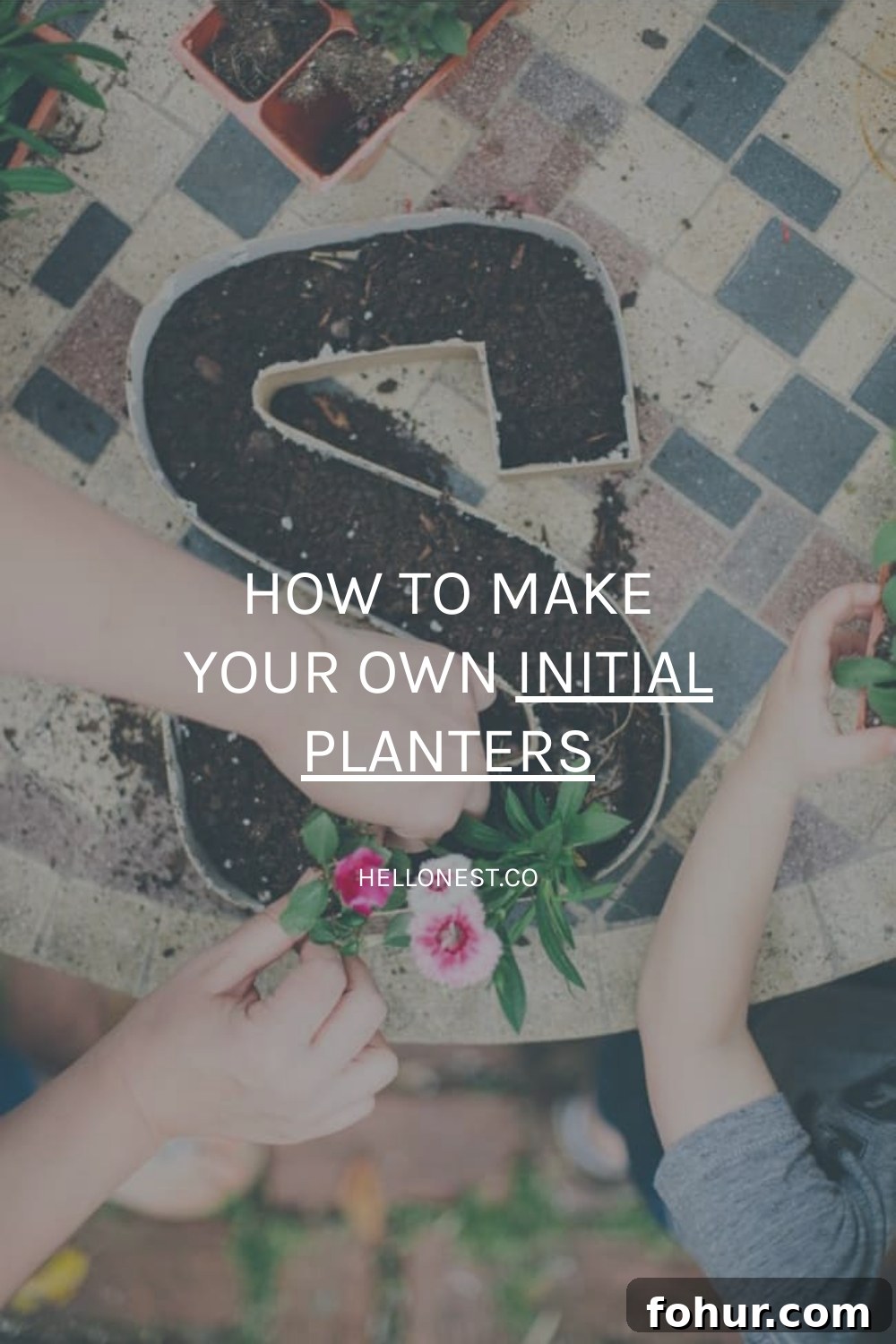
My first attempt to get the kids excited about gardening was a simple craft-turned-planter project that turned out to be a partial success. I bought large cardboard letters—one for each child’s name—at a craft store and let them decorate and plant colorful pink and purple flowers inside their letters. The activity was an easy, low-stakes way to introduce potting and planting while giving each child something personal to care for.
DIY initial letter planters
Making the letter planters is straightforward. Using a serrated knife, carefully cut off the top of each cardboard letter so you can fill it with soil. Cutting close to the edge makes the job much easier. Next, poke a few drainage holes in the bottom so water can escape, then fill each letter about halfway with potting mix. Add the plants you’ve chosen and cover the roots with a bit more soil.
Compared with other quick planter ideas—like repurposing plastic bottles into hanging planters—these cardboard letters are easier to assemble and make a fun, decorative statement in the backyard. Since the letters are larger, they give children an immediate sense of ownership and create a visible result of their effort.
The kids reacted differently to the project. Caroline loved all the pink and purple flowers and was delighted to arrange them. Henry was hesitant to get his hands dirty and needed some encouragement to join in. Sam, true to toddler form, was mostly interested in tasting the soil. Even though not every child became a budding gardener after one afternoon, the project sparked curiosity and produced charming results.
I worried the cardboard would fall apart once wet, but the letters held up even through a recent heavy rainstorm. Because these planters are meant to be a temporary, playful addition to our backyard, I don’t mind that the cardboard may soften or change shape over time. If you prefer something more durable, consider lining the inside with a thin layer of plastic or using sealed cardboard and extra drainage; just be mindful of proper airflow and avoiding trapped moisture that could harm plants.
In addition to being an easy craft, these planters provide a natural opportunity to teach basic gardening skills: how to handle soil gently, why drainage matters, how much water different plants need, and the patience required to watch something grow. Letting children choose colors or plant placement can build a sense of responsibility without pressure.
For families dreaming of a vegetable patch, starting with simple container projects is a smart step. Containers and small planters let you experiment with soil types, watering routines, and sun exposure before committing to larger beds or raised gardens. Many warm-weather crops—like squashes and watermelons—need space and consistent warmth, so plan for the right season and give them room to spread if you move beyond containers.
Here are a few practical tips that helped with our experiment and might help you if you try something similar:
- Choose sturdy potting mix that retains moisture but drains well to prevent root rot.
- Make sure planters have drainage holes; even cardboard letters benefit from a few small holes so excess water can escape.
- Start small—short activities with clear, colorful results tend to keep young kids engaged.
- Use this opportunity to teach simple routines like checking soil moisture and gentle deadheading of spent flowers.
- Consider labeling each planter with the child’s name to foster ownership and regular care.
Whether you’re aiming for a decorative starter project or preparing for a full backyard vegetable patch, hands-on activities like these make gardening approachable for kids. The cardboard letter planters gave us a visible, joyful reminder that growing something together can be fun, even if not every moment is picture-perfect. If nothing else, we now have a cute display in the backyard and a few more seeds of interest planted for the seasons ahead.