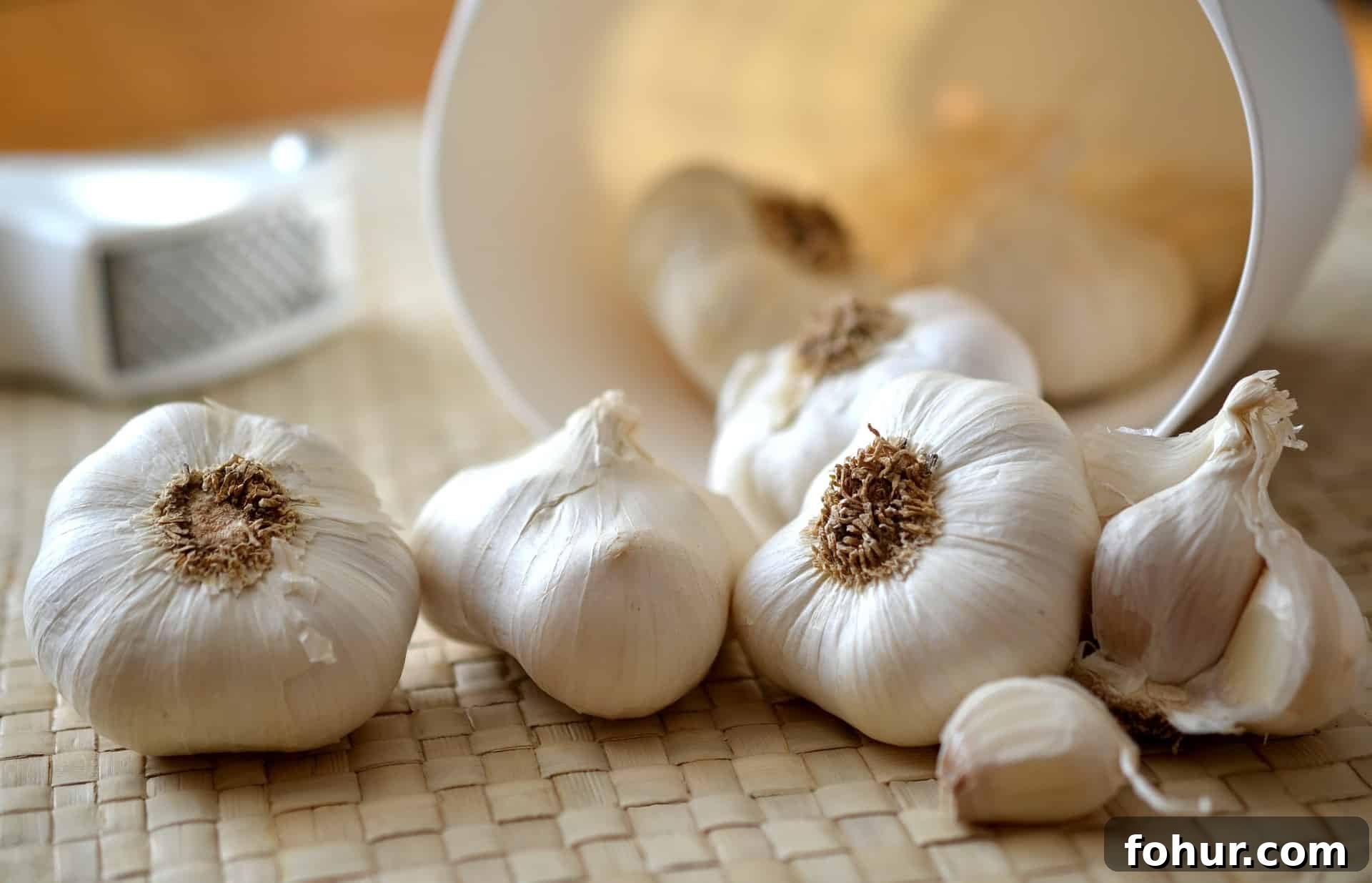
Garlic transforms ordinary meals into flavorful highlights. A small bulb adds aroma, depth, and a lasting savory note that enhances everything from simple sautés to elaborate dinners. Many home cooks also appreciate garlic for its traditional associations with health benefits like supporting circulation and easing cold symptoms. Whether you’re adding a clove to a pan of olive oil or finishing a sauce with minced garlic, it can elevate everyday dishes into memorable meals. Read on for practical storage advice, signs of spoilage, freezing tips, and recipe ideas so you can get the most from every head of garlic.
Although garlic is a pantry staple for many kitchens, there are times when it’s best to be mindful about how you store it and when to use it. Left unattended, garlic will degrade in flavor and texture, so knowing the right storage methods will help you keep it fresh and flavorful for as long as possible.
Is garlic perishable?
Yes — garlic is perishable. Whole heads of garlic stored under the right conditions can last a long time, but cloves and peeled or chopped garlic deteriorate more quickly. How long garlic lasts depends on whether it’s whole, broken into cloves, peeled, chopped, cooked, refrigerated, or frozen. Regular cooks who use garlic often rarely face waste, but if you buy in bulk or use it infrequently, proper storage matters.
How long does garlic last in the fridge?
Garlic stored in a sealed container in the refrigerator can remain usable for several months, especially if it’s peeled and kept airtight to limit moisture and odor transfer. Unpeeled heads stored in the fridge may lose quality faster because cold, humid conditions can encourage sprouting and softening. For most home uses, if you plan to use garlic within a few weeks to a few months, refrigeration is acceptable, but keep it dry and sealed.
If you store garlic in a crisper drawer or a well-ventilated container at moderate refrigerator temperatures, you’ll help preserve its texture. Avoid leaving garlic exposed on a shelf where temperature changes and humidity can accelerate spoilage.
What temperature should garlic be stored at?
The recommended storage range for garlic is cool, not freezing. Temperatures between about 40–45°F (4–7°C) are often cited as a good range to slow deterioration while preventing freezing. Extremely warm or fluctuating temperatures speed up enzymatic breakdown, sprouting, and rot.
Is it safe to eat garlic that has been refrigerated?
Garlic that shows signs of spoilage should not be eaten. Small amounts of older garlic are unlikely to be toxic, but eating garlic that is moldy, slimy, or badly off can cause gastrointestinal upset or allergic reactions in sensitive people. Symptoms can include stomach pain, nausea, vomiting, or diarrhea. When in doubt, discard garlic that smells musty, looks discolored, or feels soft and mushy.
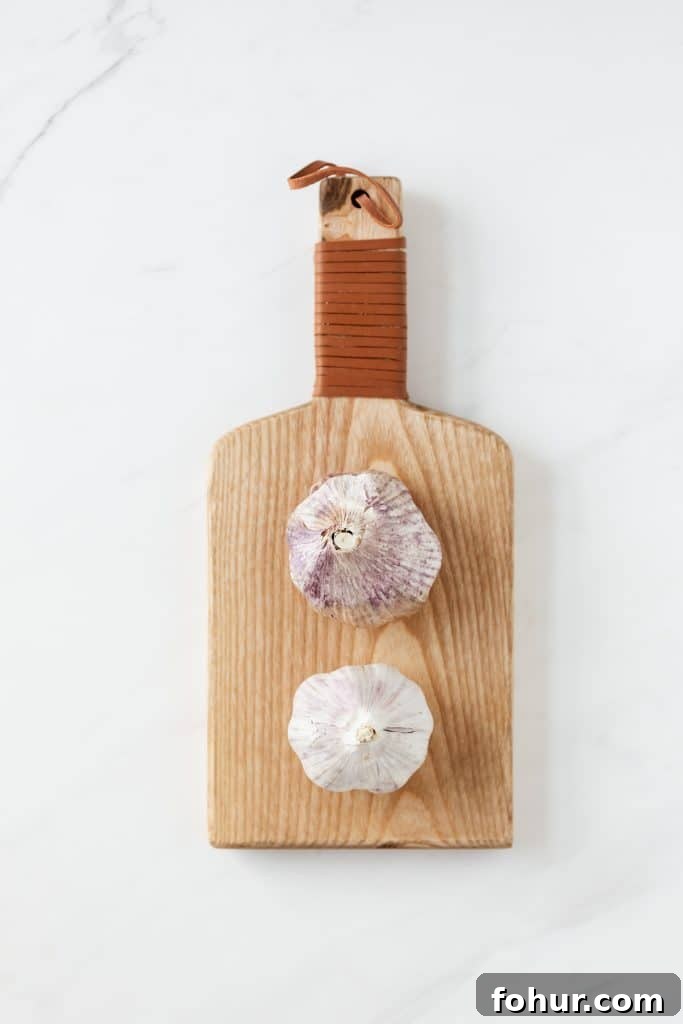
Can garlic be frozen?
Yes — garlic can be frozen, but freezing alters its texture and can mellow its flavor. Peeled cloves, chopped garlic, or pureed garlic can be frozen in airtight containers or ice cube trays for convenient portions. Many cooks prefer to freeze garlic as a convenience rather than for preserving peak flavor; once thawed, the garlic is best used cooked rather than raw because the fresh sharpness is reduced.
How long does garlic last in the freezer?
Properly packaged garlic will keep in the freezer for a few months while remaining safe to eat. For optimal quality, use frozen garlic within about three months. When ready to use, thaw garlic in the refrigerator or add it directly to a hot pan if the recipe calls for cooked garlic.
How can you tell if garlic has gone bad?
Watch for these common signs of spoiled garlic:
- Off or musty smell: Fresh garlic has a sharp, pungent aroma. A musty or moldy odor indicates spoilage.
- Color changes: Dark brown, black, or green discoloration is a sign that garlic is past its prime.
- Texture: Soft, mushy, or slimy cloves should be discarded.
- Sprouting: While sprouted garlic is still edible, it can be bitter and less flavorful; remove sprouts before use if the rest of the clove is sound.
Ways to use garlic
Garlic is extremely versatile and pairs well with many ingredients. Below are practical uses that bring out its best qualities:
- Add minced garlic to salad dressings for a punch of flavor.
- Season poultry, fish, and other proteins with crushed or minced garlic.
- Incorporate garlic into pizza crusts, pasta sauces, and chilis for depth.
- Sauté garlic with onions in olive oil as a flavorful base for soups and stews.
- Mix garlic into mashed potatoes or compound butters.
- Use roasted garlic as a spread or to mellow the flavor in dips and purees.
Recipes that commonly call for garlic
Garlic appears in countless recipes across cuisines. Common dishes that often feature garlic include chicken parmesan, spaghetti bolognese, roasted pork tenderloin, fajitas, various pizzas, Alfredo and other pasta sauces, lasagna, and sautéed or grilled steak preparations. Garlic butter sauces and marinades are a popular way to highlight its flavor.
Nutrients and benefits
Garlic contains several nutrients and antioxidant compounds. It is often noted as a source of vitamin C, iron, folate, potassium, manganese, fiber, and zinc, along with antioxidants such as selenium and polyphenols. Many people use garlic not just for flavor but also because of traditional associations with cardiovascular and immune support. As with any food, garlic should be part of a balanced diet, and you should consult a health professional about any specific health claims or concerns.
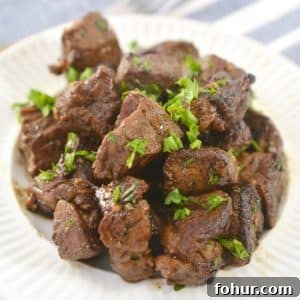
Garlic Butter Steak Bites Recipe
If you want an easy, impressive main course, garlic butter steak bites bring bold flavor with minimal fuss.
Equipment
- 2 large bowls
- Oven
- Saucepan
- Knife and cutting board
- Spoon
Ingredients
- 1/3 pound beef steaks
- 1/2 cup unsalted butter
- 1 cup olive oil
- 4 cloves garlic
- 1 tablespoon minced rosemary leaves
- 1 teaspoon kosher salt
- 1/2 teaspoon freshly ground black pepper
- 2 tablespoons fresh lemon juice
- 1/4 teaspoon crushed red pepper flakes
- 1 teaspoon dried thyme
- 1/2 teaspoon smoked paprika
- 1 teaspoon Worcestershire sauce
- 1 teaspoon dry mustard
- Pinch cayenne pepper
- 1 cup finely chopped parsley
- 1/4 cup finely chopped chives
- 1/2 cup grated parmesan cheese
Instructions
- Preparing the steaks: Place steaks in a large bowl and add crushed red pepper flakes, Worcestershire sauce, and dry mustard. Mix to coat and let sit for 10 minutes.
- Make the marinade: In another bowl, combine butter, olive oil, garlic, rosemary, salt, pepper, and lemon juice. Stir until the garlic is fully coated.
- Marinate the steaks: Add steaks to the mixture, flip to coat, cover, and let rest for 15 minutes, turning halfway through.
- Cook the steaks: Preheat the oven to 375°F (190°C). Bake the steaks for 12–15 minutes per side until done to your liking. Remove and cool slightly.
- Garlic butter sauce: Melt butter in a saucepan over medium heat, add garlic and stir for one minute. Add rosemary, salt, pepper, red pepper flakes, thyme, paprika, Worcestershire sauce, and dry mustard. Stir, then add lemon juice and combine until smooth. Remove from heat and allow to cool.
- Assemble: Cut each steak into four pieces. On a cast-iron skillet or baking dish, spread some cooled garlic butter, place the steak pieces, and fill cavities with parsley, chives, and Parmesan. Pour remaining sauce over the top.
- Finish: Bake in the oven for about five minutes to meld flavors, then remove and serve warm.
Video
Video demonstration available.
Nutrition
Calories: 1652 kcal | Carbohydrates: 8 g | Protein: 26 g | Fat: 172 g
Saturated Fat: 53 g | Sodium: 1700 mg | Potassium: 519 mg | Fiber: 2 g | Sugar: 1 g
Vitamin A: 4569 IU | Vitamin C: 55 mg | Calcium: 399 mg | Iron: 5 mg
Related Posts
Make Dino Nuggets using Air Fryer

How Long Do Meatballs Last In The Fridge?
Is MSG Bad For You?
25 Simple Lemon Dessert Recipes