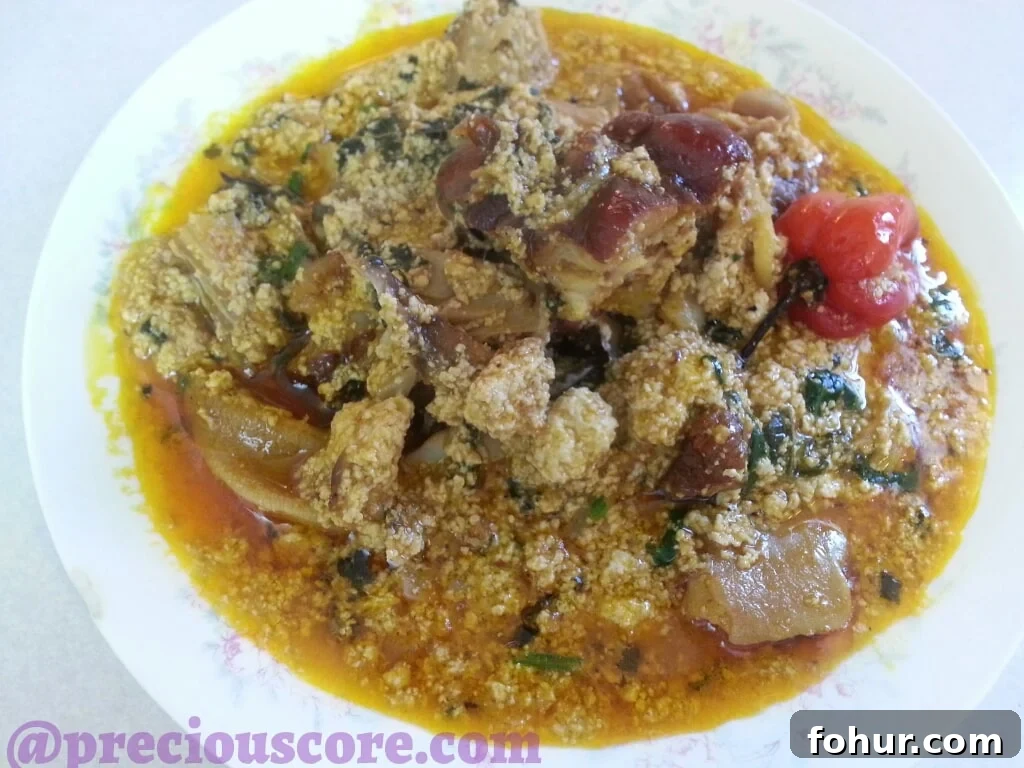
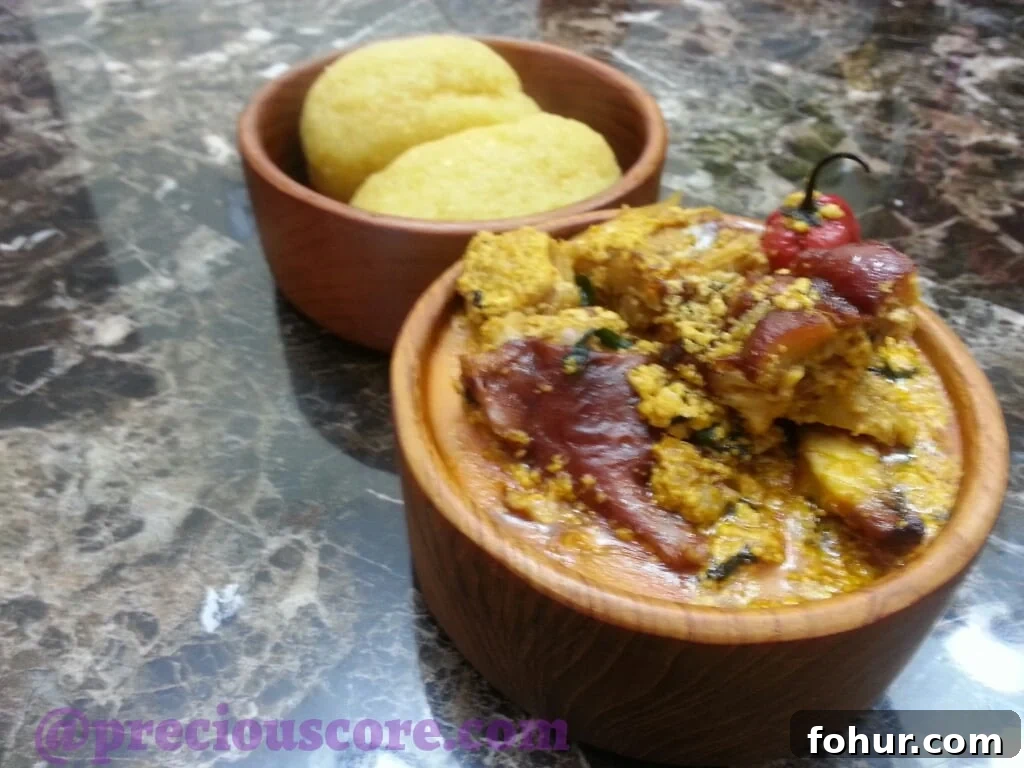
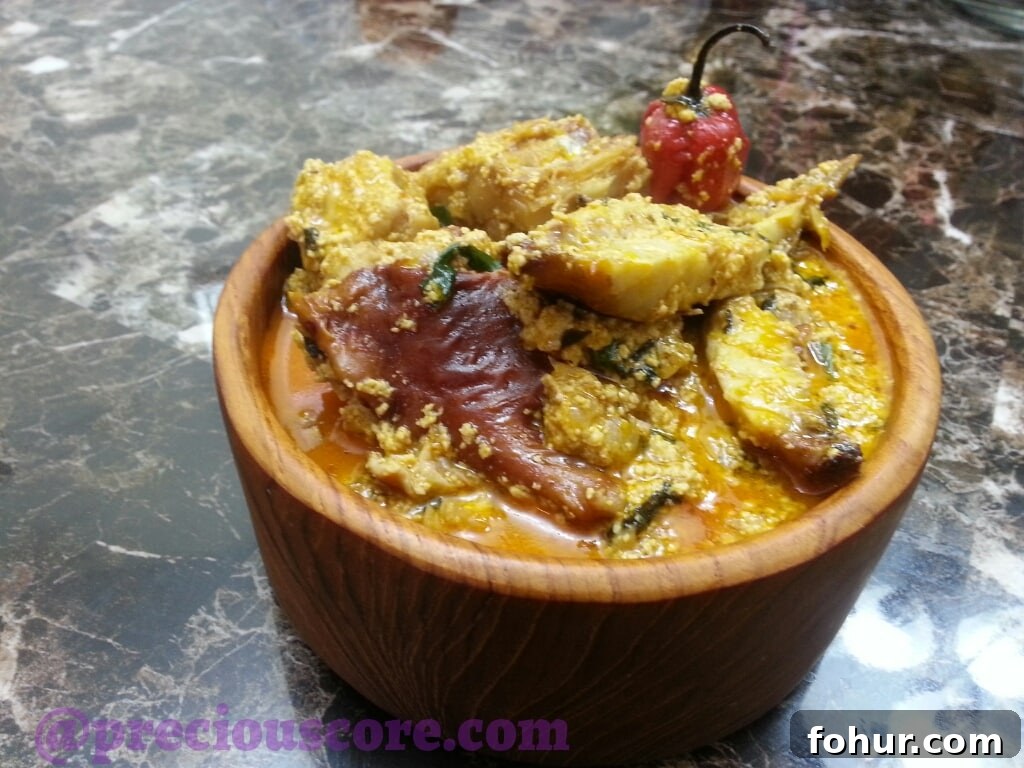
Ogbono soup holds a special place in my heart. It’s a dish that fills our home with warmth and celebration whenever my mother prepares it. The aroma brings everyone to the table, and my father always smiles as he adds a pinch of steamed yellow pepper to his bowl. So beloved that we call it “Soup of the Year.”
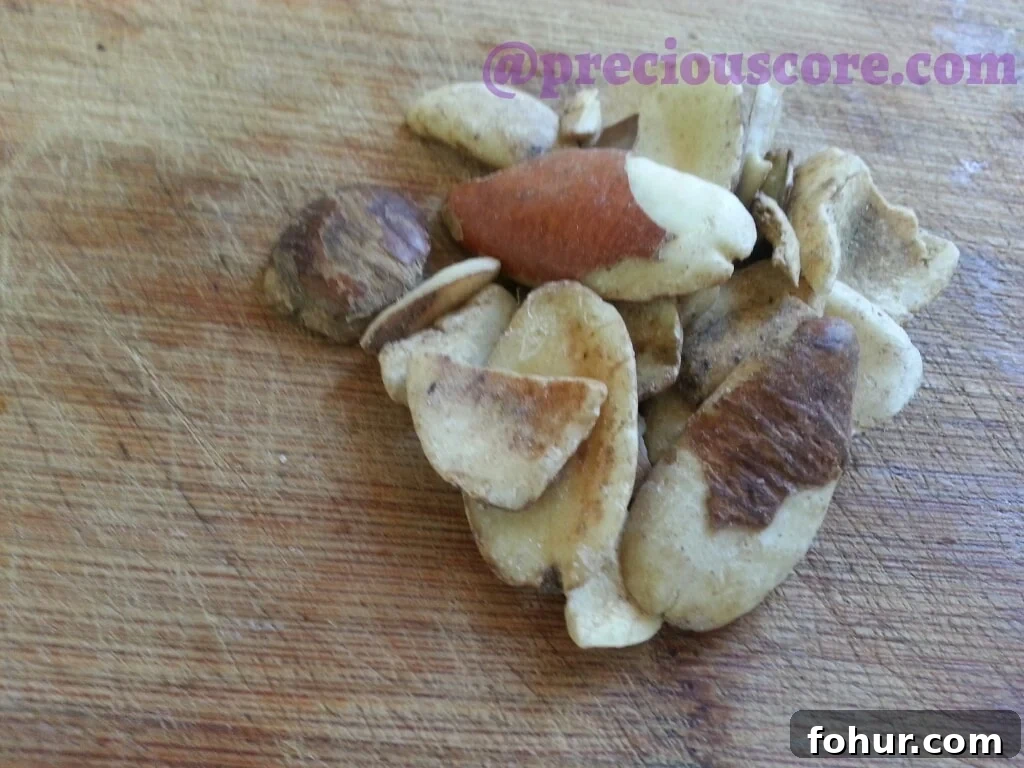
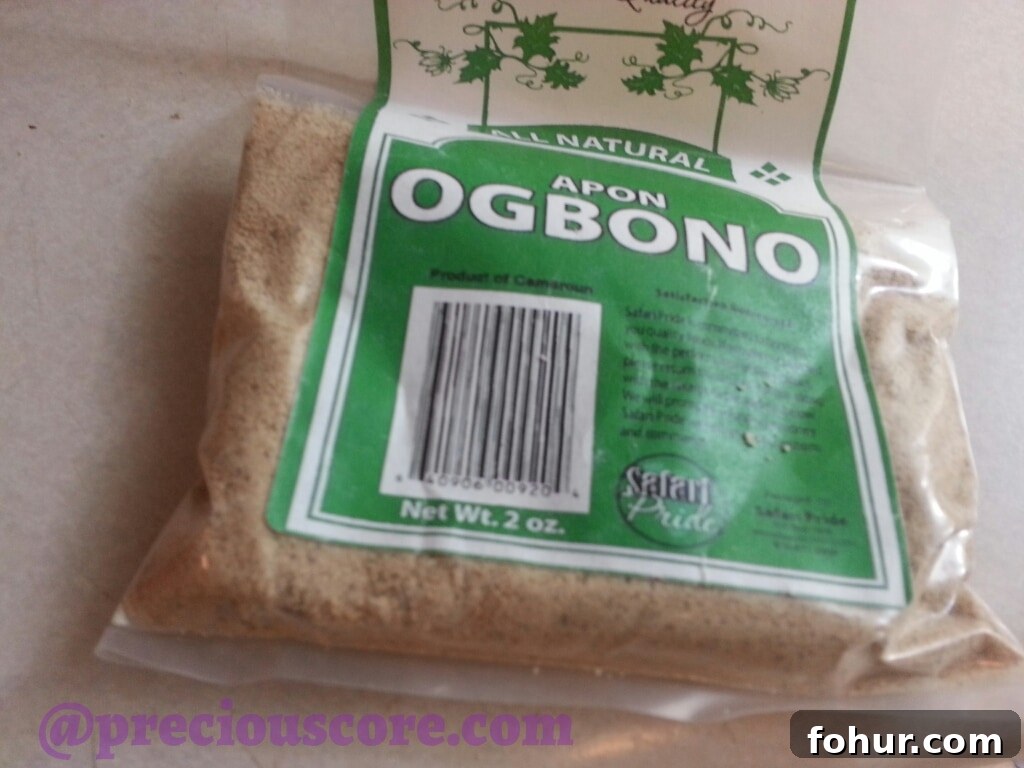
Ogbono comes from the seed of the wild mango commonly called “bush mango.” Its scientific name is Irvingia gabonensis. Below is a picture of the seeds used to make the soup.
A friend once told me these seeds are used in weight-loss supplements. After a bit of research I found that extracts of Irvingia gabonensis are indeed used in some supplements, so while enjoying this delicious meal I also appreciate that the seeds have other uses.
I remember the first time we looked for Ogbono in Yaoundé, Cameroon. We didn’t know the local French term, so asking for “Ogbono” caused a lot of confusion. We ended up visiting many stalls and sampling different products until we finally found the seed. The experience taught me that love for a dish is worth a little perseverance.
Ogbono soup is naturally slimy, similar to okra soup, and that gooey texture is part of its appeal. Some cooks make it without egusi; my family prefers the combination of ogbono and egusi that gives a rich, satisfying body to the soup. This recipe follows a traditional style from the Bayangi people of Southwest Cameroon. Some authentic versions include black pepper known locally as “Tanchot,” which gives a distinct, earthy heat.
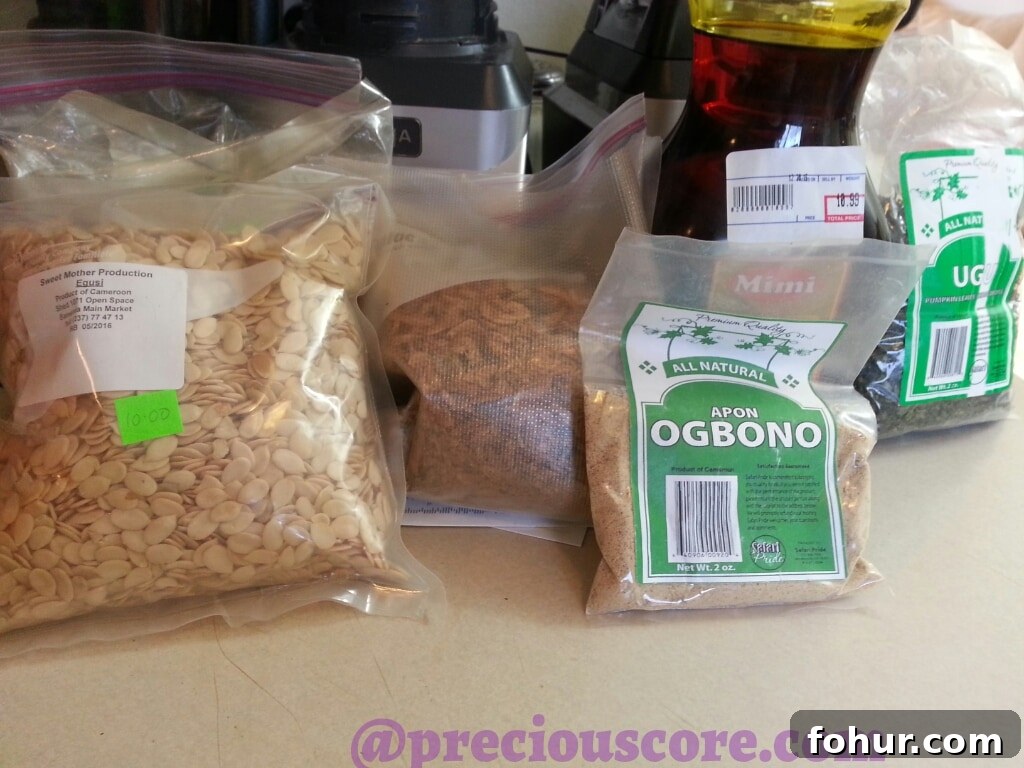
OGBONO AND EGUSI SOUP RECIPE
Prep Time: 30 minutes
Cook time: 40 minutes
Total time: 70 minutes
Serves: 6-8
You’ll need
3/4 cup ground ogbono (preferably grind fresh seeds in a blender)
2 cups egusi (ground)
1 cup chopped Okongobong leaves / bitter leaves / spinach (I used a blend of dried Okongobong and fresh spinach)
1/2 cup crayfish, coarsely blended
About 2 pounds assorted boiled meat and/or fish (smoked fish, stockfish, smoked turkey, beef strips, etc.)
1 crayfish-flavored seasoning cube
2 small seasoning cubes
Salt to taste
1 cup palm oil
2 hot peppers
Instructions
1. If using dried leaves, soak them in slightly warm water and set aside. Okongobong (called “Ugu” in Nigeria) gives a signature flavor; if you can access fresh leaves, they are excellent.
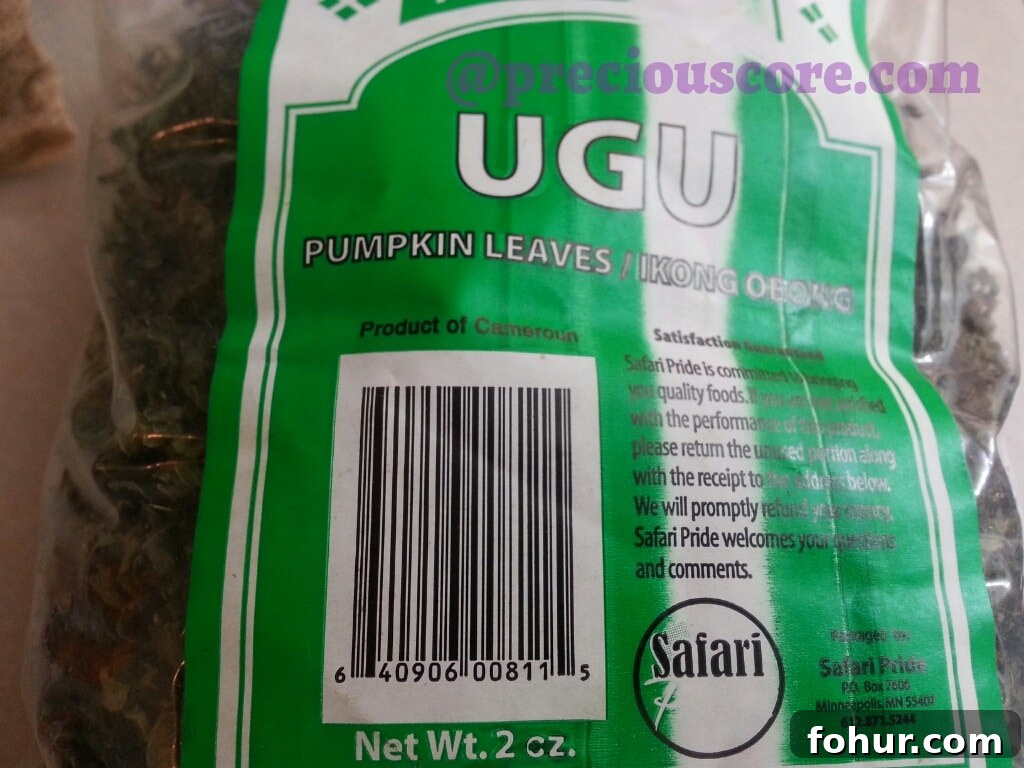
Okongobong is called “Ugu” in Nigeria
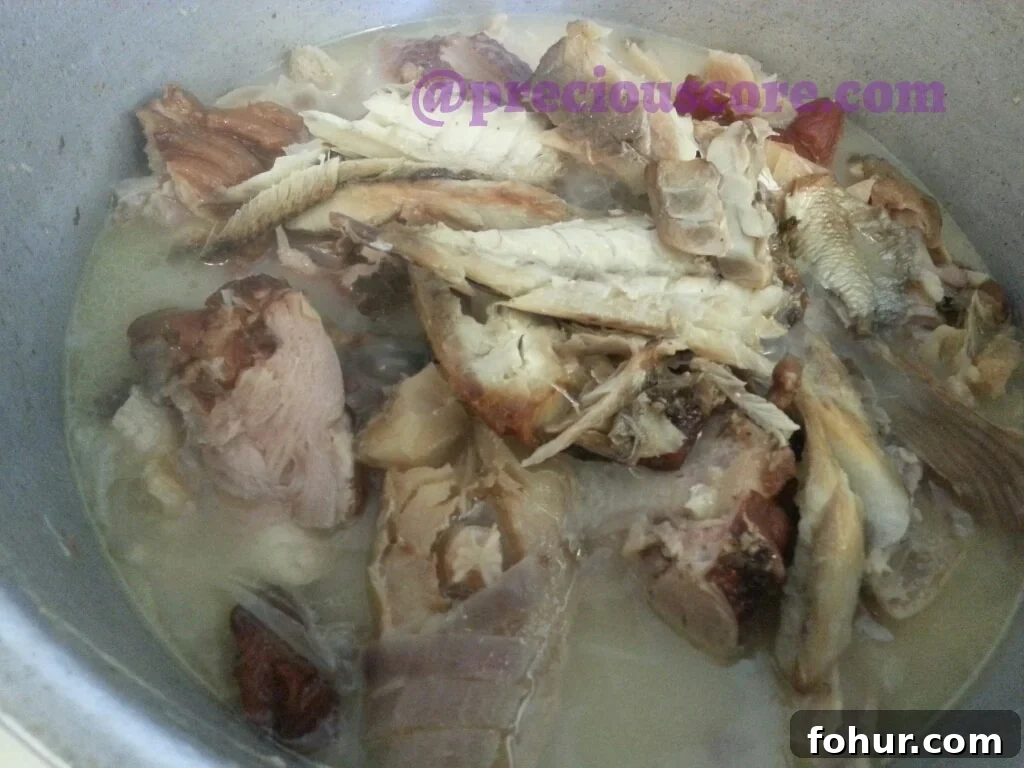
2. Remove your boiled meats and fish from the pot, leaving the stock. Bring the stock to a gentle boil.
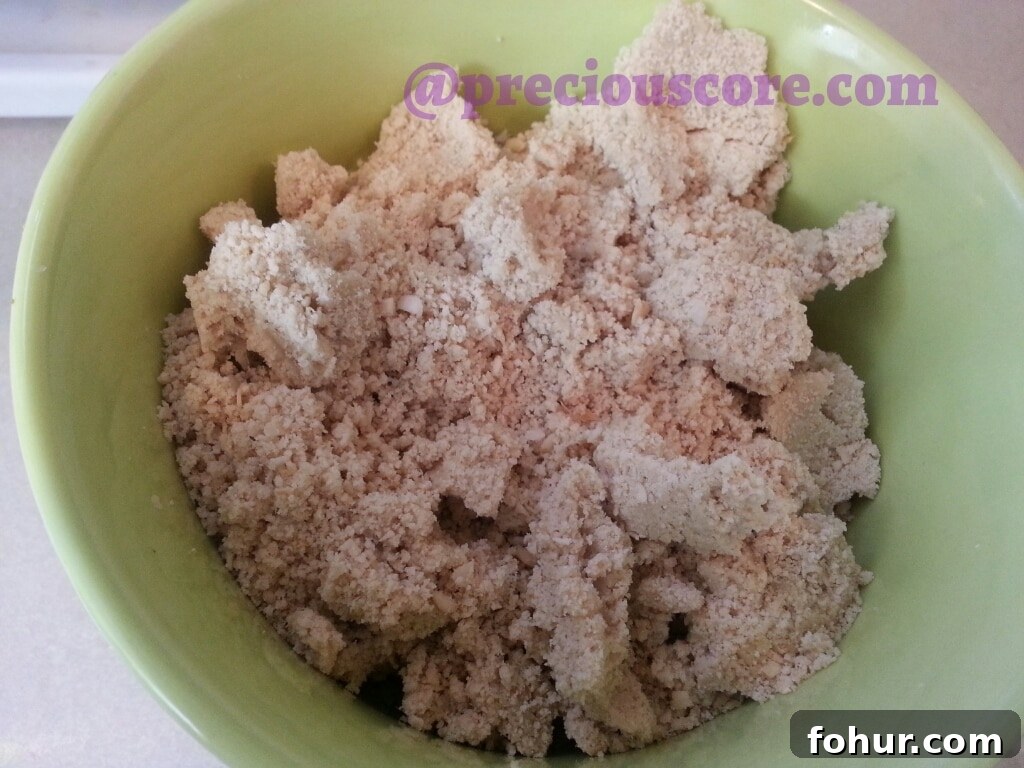
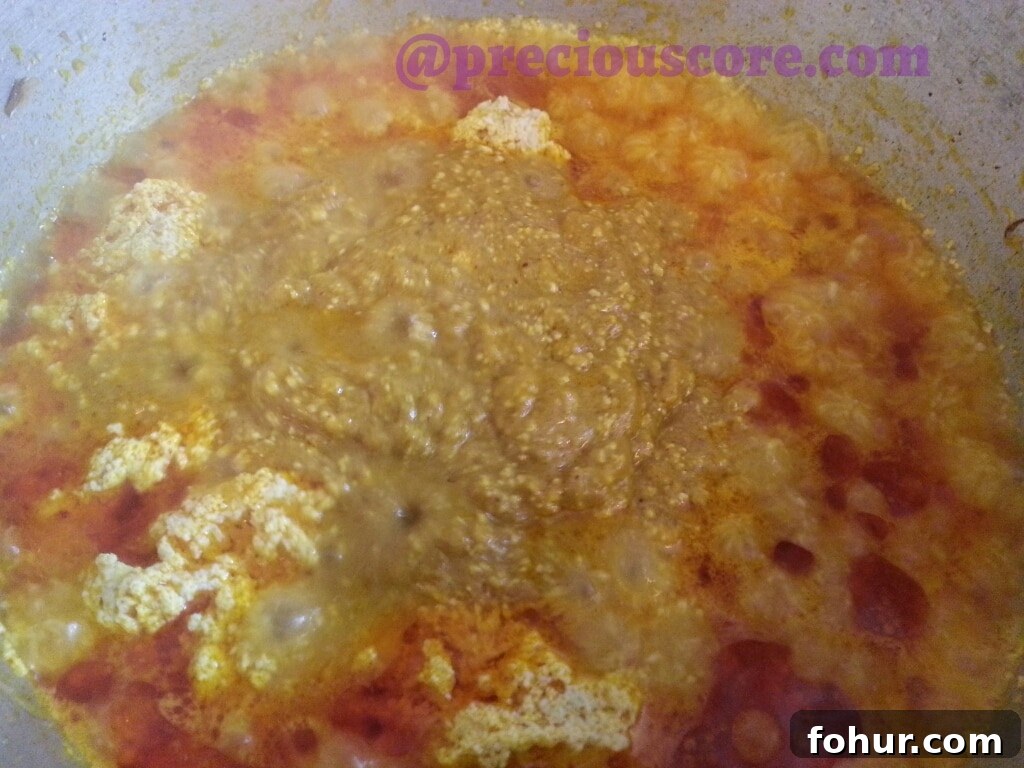
3. Grind your egusi if needed. To create some chunky egusi pieces in the finished soup, mix 1/4 cup water (or a little stock) into the ground egusi to form a thick paste. Scoop this paste into the boiling stock in portions and cook for about five minutes.
4. Prepare the ogbono: you can mix the ground ogbono into hot oil (not too hot) or combine it with some boiling stock or water to form a slurry. Add the ogbono mixture to the pot with the egusi and stir to combine. The ogbono will begin to “draw” and thicken the soup.
5. Add crayfish, peppers, and seasoning cubes. Taste and adjust salt—meats boiled with salt may reduce the need for extra salt. If the soup is too thick, add water to achieve your preferred consistency.
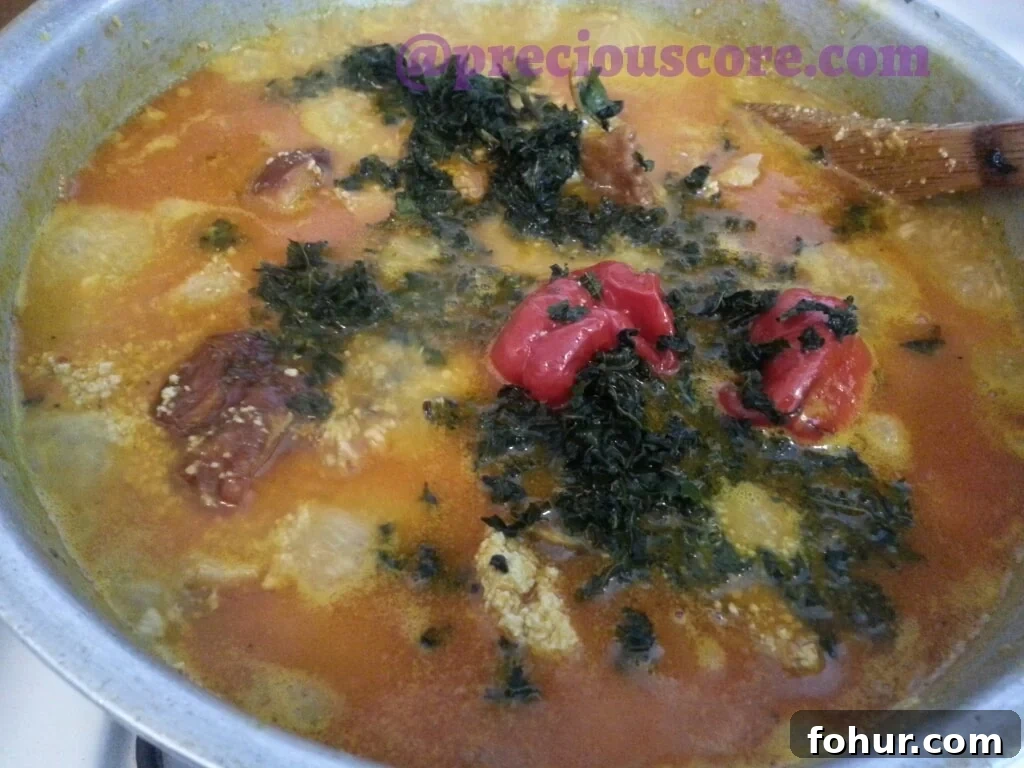
6. Return the boiled meats and fish to the pot and let them simmer in the soup for about two minutes so the flavors marry. Then add your greens—start with the soaked dried Okongobong, followed by fresh spinach on top.
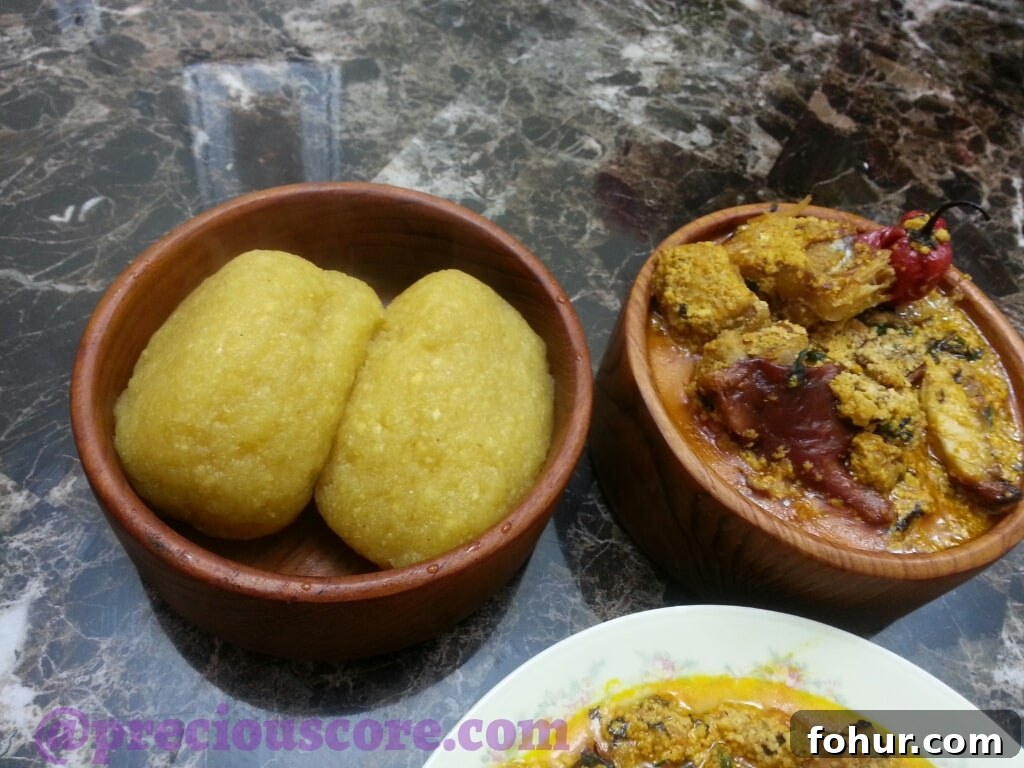
7. Simmer for an additional two minutes, then remove from heat. Serve hot with garri, fufu, or your preferred starch.
NOTES
– I didn’t include black pepper in this particular version, but adding it will give the soup a deeper, more traditional spice profile.
– Use fresh-ground ogbono and egusi when possible for the best aroma and texture. Adjust thickness by varying the amount of ogbono and stock.
Enjoy your “Soup of the Year”—a comforting, flavorful dish with roots in Cameroonian tradition.