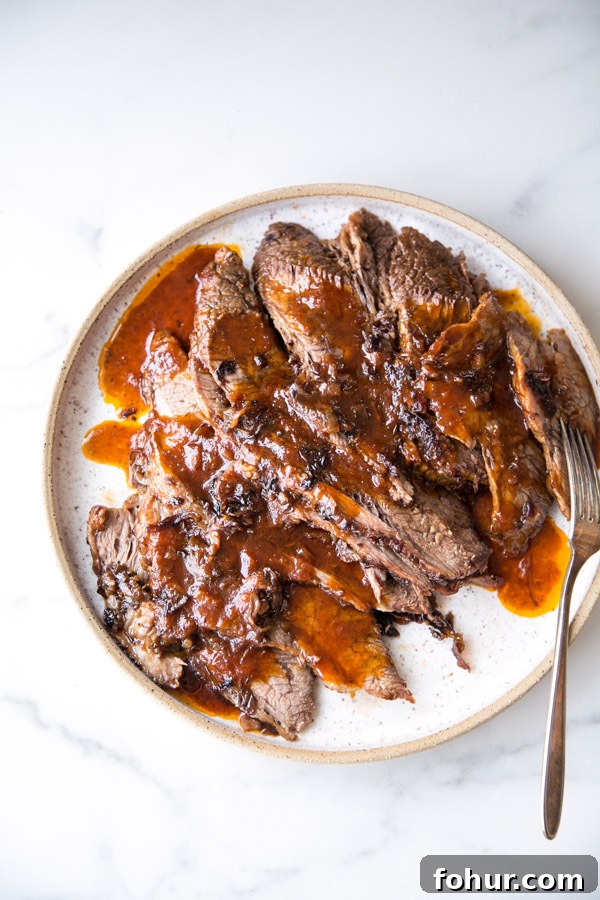
This oven-baked brisket with caramelized onions and tomatoes is a timeless centerpiece for Jewish holidays and has been a staple on our Passover table for generations. The beef is studded with garlic cloves, seared, then slow-roasted in a savory tomato-based sauce until tender. With hundreds of glowing reviews, many readers call it the best brisket they’ve ever tasted.
During the height of the pandemic, when our family Seder moved to Zoom, the one thing I missed most was my aunt’s brisket. It felt strange to prepare such a ritual dish for just two people, but the memories tied to that meal made it impossible not to try.
My Aunt Jennifer shaped many of my earliest and happiest Passover memories. Her table seemed to expand every year with new cousins and partners; I’d always come away proud of my undefeated afikomen record; cousin Holly’s chocolate chip macaroons were a highlight; and my aunt’s brisket—rich, garlicky, and topped with slow-sweetened onions—was what we waited for after the seder plate was cleared away.
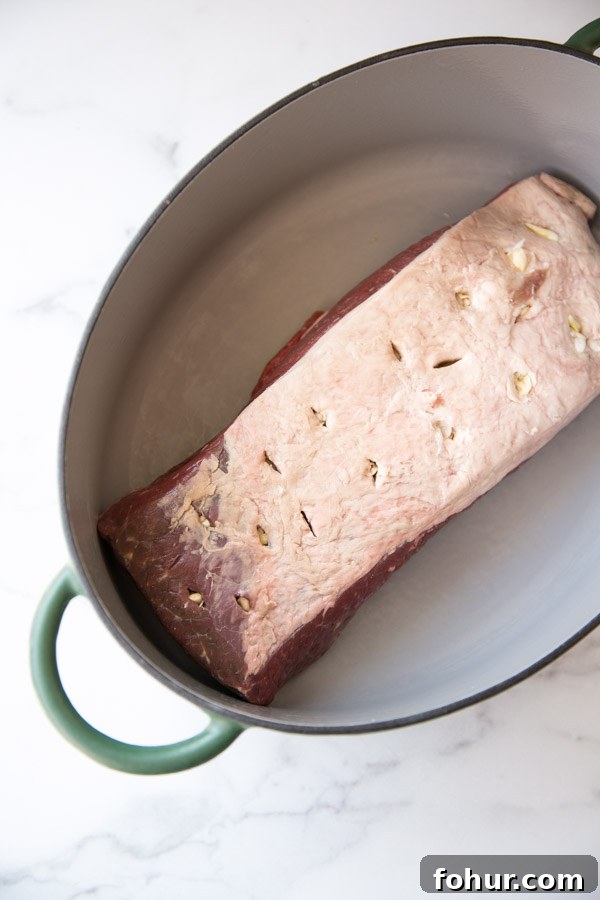
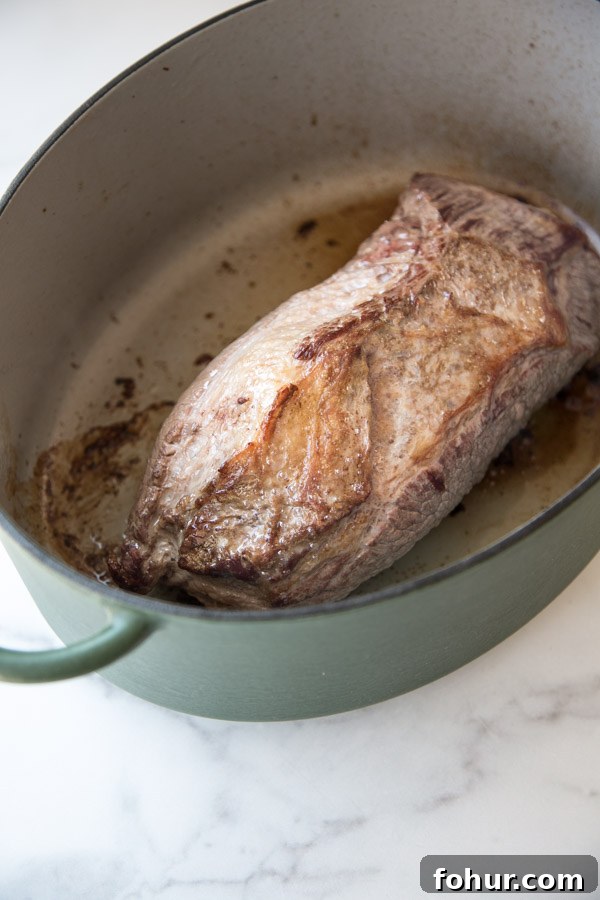
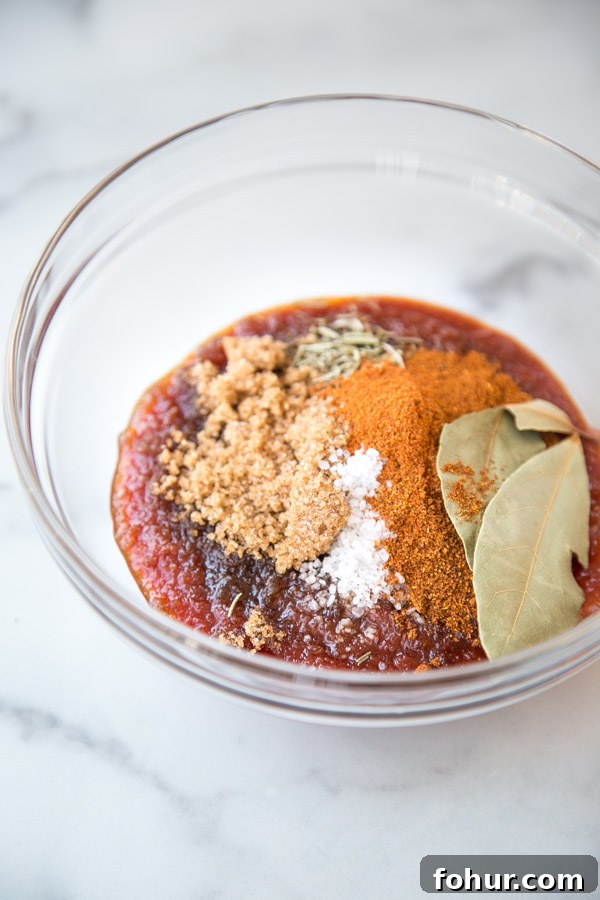
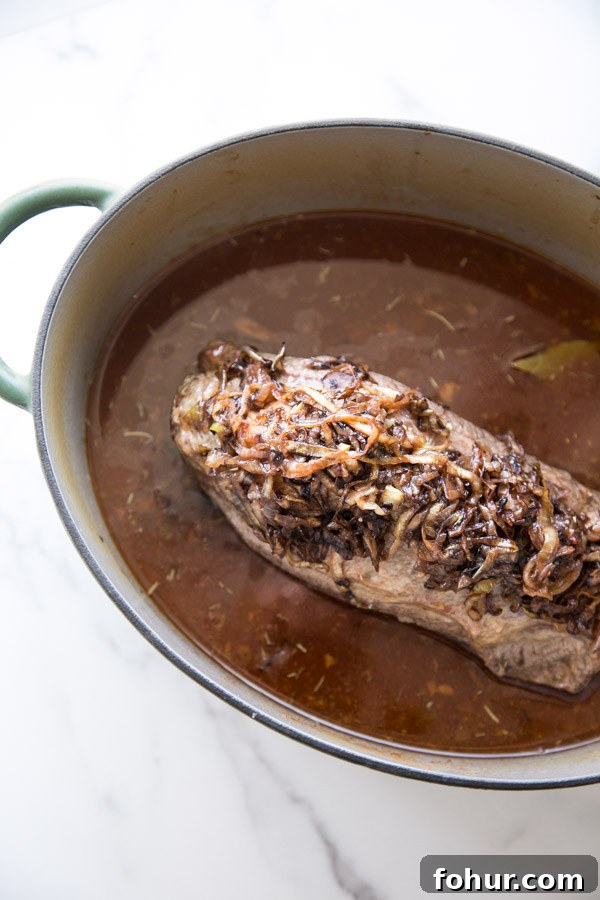
In college, when I couldn’t get home for Passover, I hosted my own seder. Friends provided prayer books, matzah and side dishes, and I took responsibility for the brisket. It was a little unnerving to deviate from Aunt Jenn’s version, but the result was a comforting slab of slow-cooked beef that filled the room with familiar aromas—garlic, caramelized onion, and a gently spiced tomato glaze.
This recipe was originally shared on my early blog and has become a fixture on my seder menu. Over the years I’ve adjusted the sugar and seasoning to balance sweetness and acidity, and I often test reductions to suit modern palates. The garlic technique—making small slits and tucking in pieces of garlic—comes from a classic chef’s approach and melts into the meat, enriching the sauce and depth of flavor.
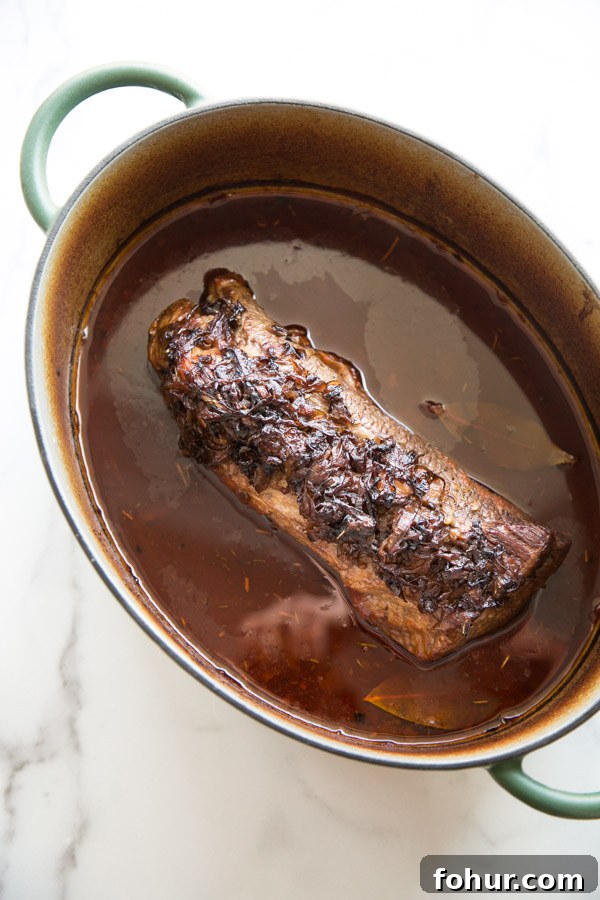
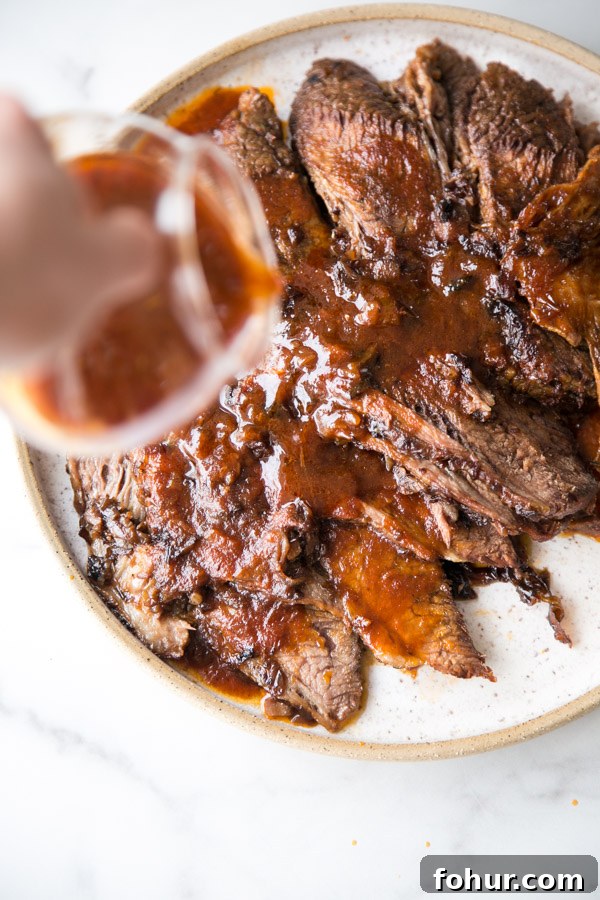
The finished brisket is moist, tangy, and slightly sweet with a gentle heat from cayenne and smoked paprika. The caramelized onions provide a savory-sweet counterpoint that makes this dish memorable. You can prepare it a day or two ahead—brisket often tastes even better after the flavors rest overnight.
5 Star Reader Review
“Wow this really was the best Passover brisket! My whole family proclaimed that it was the best they’d ever had. It turned out absolutely fork tender and perfect. 10/10 would recommend this recipe and method. Thank you!”
—Taylor
What is the best pan to cook this brisket?
Because this is an oven recipe, any oven-proof pan large enough to hold a 5-pound brisket will work. An enameled Dutch oven, a metal roasting pan, or a rimmed baking dish are all good choices. I sometimes use a 9×13 Pyrex; if you choose glass, allow the pan to warm slightly before adding cold stock to avoid thermal shock.
In the photos I used an oval Dutch oven for a slightly smaller cut, but adapt to your equipment—what matters most is even roasting and enough liquid to braise gently.
What if my brisket is bigger than 5 pounds?
A single larger brisket that fits comfortably in one pan will cook similarly to a 5-pound piece; you usually don’t need to increase the liquid or seasoning. If you are preparing two separate briskets in two pans, double the ingredient amounts so each pan has the proper proportion of sauce and aromatics.
Cooking time
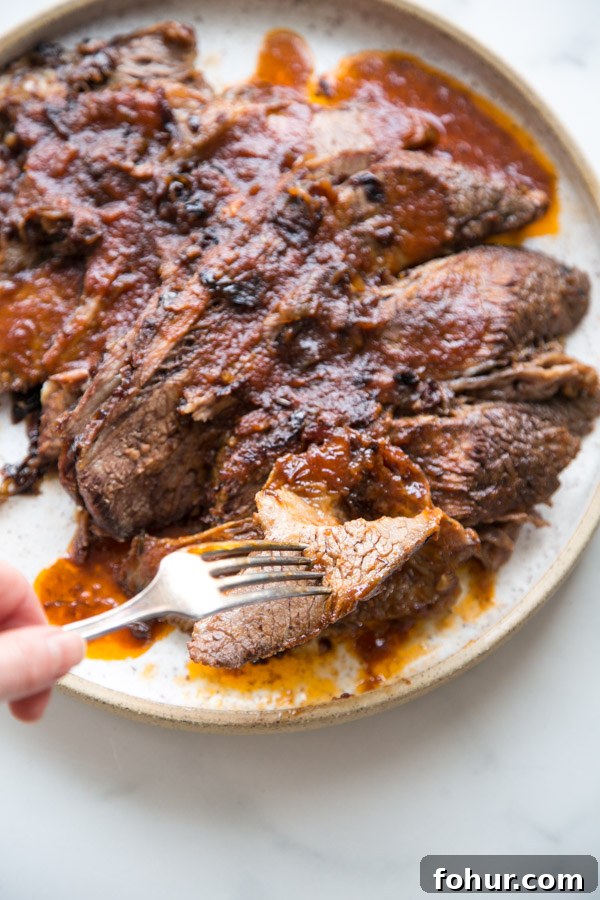
The goal is a brisket that slices cleanly but is tender enough that a fork can easily break the marbling. If the slices still feel tough after the listed time, simply return the brisket to the oven—this cut is forgiving and benefits from low, slow cooking. For slicing, remove at about 2 hours after the sauce is added; for falling-apart, fork-tender meat, cook closer to 3 hours.
This brisket pairs well with traditional seder sides and can be made ahead to streamline holiday hosting. Leftovers also reheat beautifully and make excellent sandwiches or folded into stews.
With health and hedonism,
Phoebe
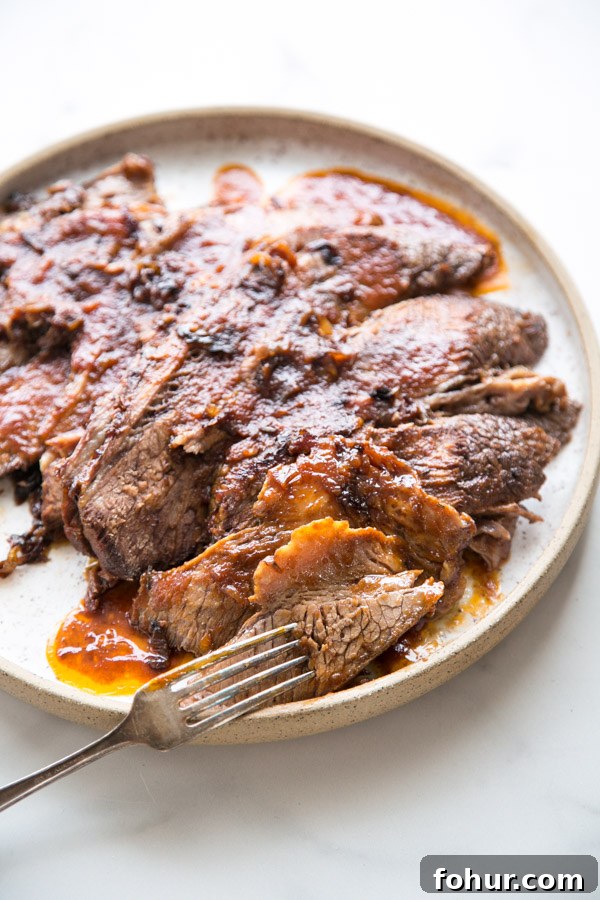
The Best Passover Brisket
Ingredients
- One 5 pound brisket
- 8 garlic cloves, cut lengthwise into 4 pieces
- Sea salt and freshly ground black pepper, to taste
- 1 quart beef stock
- 2 Vidalia or sweet onions, thinly sliced
- 1 cup ketchup
- 1/4 cup coconut sugar or brown sugar
- 1 teaspoon paprika
- 1 teaspoon smoked paprika
- 1/4 teaspoon cayenne
- 1/2 teaspoon dried thyme or rosemary
- 2 bay leaves
Instructions
- Preheat the oven to 500°F.
- Place the brisket on a work surface. If the fat cap is thicker than about 1/4 inch, trim it to leave an even layer.
- Make vertical incisions across the surface and tuck a piece of garlic into each slit until the meat is studded with garlic. Season both sides with salt and pepper. Place the brisket in a large braiser, Dutch oven, or rimmed metal baking dish with the fat cap facing up. Brown in the oven about 10 minutes per side.
- Remove the pan and pour in the beef stock (if using glass, allow the pan to cool slightly before adding cold liquid to avoid thermal shock). Reduce the oven temperature to 350°F, cover the pan with a lid or foil, and cook for 1 hour.
- Meanwhile, heat 1 tablespoon olive oil over medium-low heat in a large skillet. Add the onions and cook, stirring occasionally, until soft and deeply caramelized, about 30 minutes.
- Take the brisket out of the oven. Add ketchup, sugar, paprika, smoked paprika, cayenne, thyme or rosemary, and bay leaves to the pan and whisk with the beef stock to combine. Spread the caramelized onions over the meat, cover, and return to the oven for 2–3 hours. For sliceable brisket, roast about 2 hours after adding the sauce; for very tender, falling-apart brisket, cook closer to 3 hours.
- Transfer the brisket to a cutting board and slice against the grain. Return the slices to the sauce to keep warm and serve, or refrigerate overnight—the flavors often improve with a day of resting.
Notes
If your pan is large enough, add potatoes or carrots when you return the meat to the oven in step 6. Keep the vegetables in large chunks so they hold their shape and don’t overcook.
 If you make this, tag @phoebelapine and #feedmephoebe – I’d love to see it!