It’s that season again when classrooms become crowded incubators for common childhood illnesses. From routine colds and flus to stomach bugs, conjunctivitis, strep throat, hand-foot-and-mouth, and the occasional mysterious fever, schools are places where germs travel fast. Most of these illnesses aren’t serious, but they are unpleasant and disruptive.
The single most effective way to reduce transmission of these everyday germs is frequent, proper handwashing with ordinary soap and water. Recent regulatory changes have highlighted that antibacterial additives like triclosan are no longer considered necessary in household hand soaps; plain soap and proper technique are what matter. That means focusing on how and when hands are washed, especially for children who bring home whatever the classroom shares.
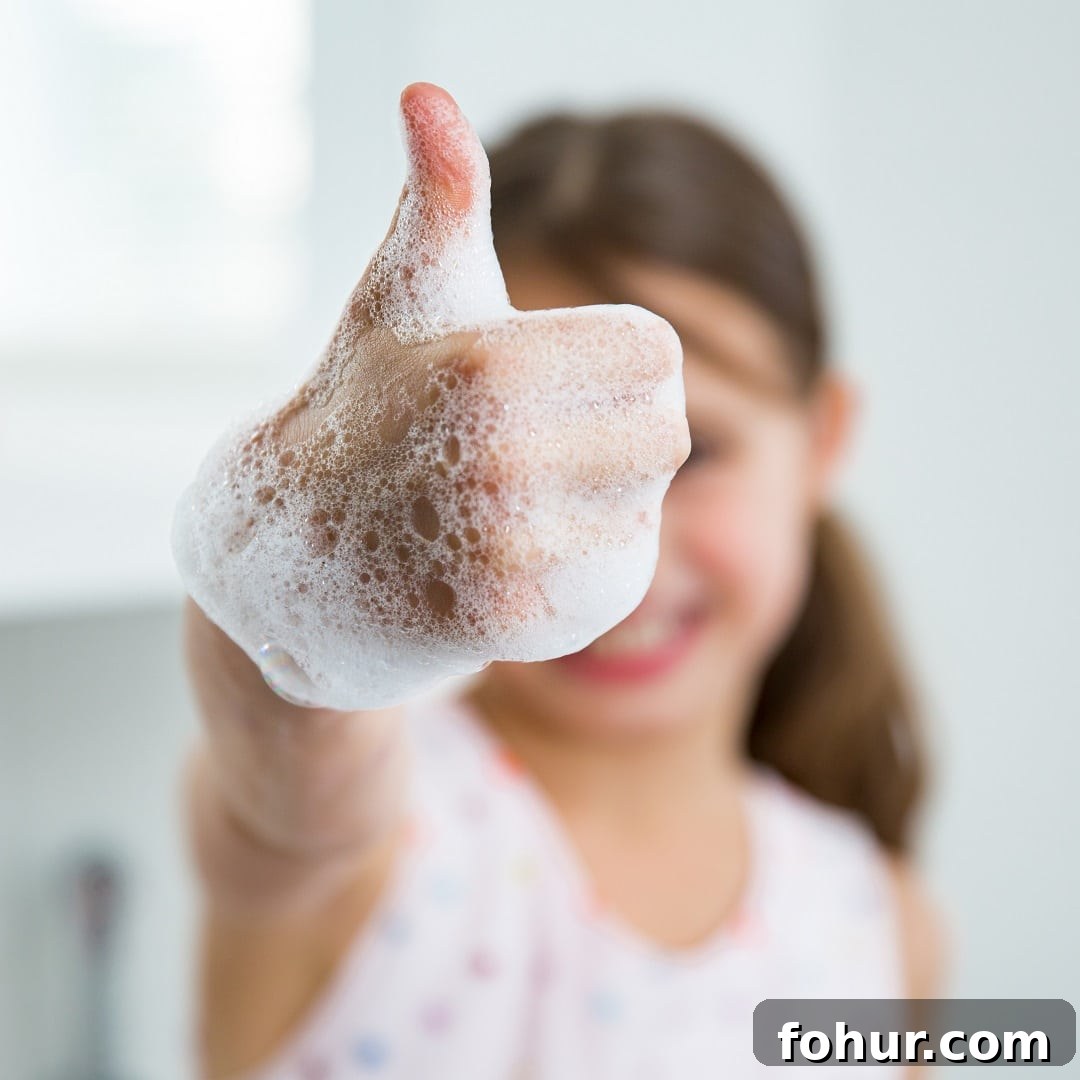
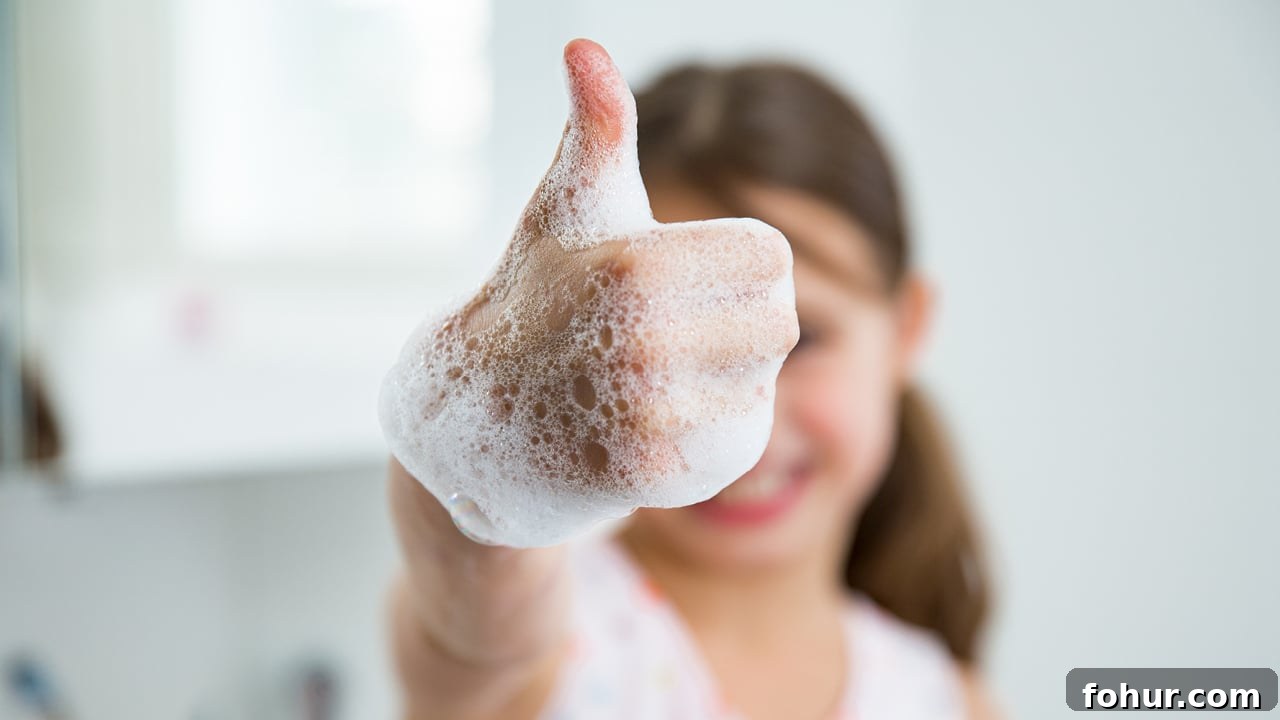
Frequent handwashing with regular soap and water is the single best defense against the spread of germs.
Photo by Lisa Bronner
Before reaching for vitamins or antibiotics the moment a child brings home yet another bug, take a look at hand hygiene. Check how often hands are washed, how long they stay wet with soap, and whether fingertips and nails are being cleaned. Teaching and reinforcing good handwashing habits saves time, money, and a lot of misery.
Four handwashing fumbles
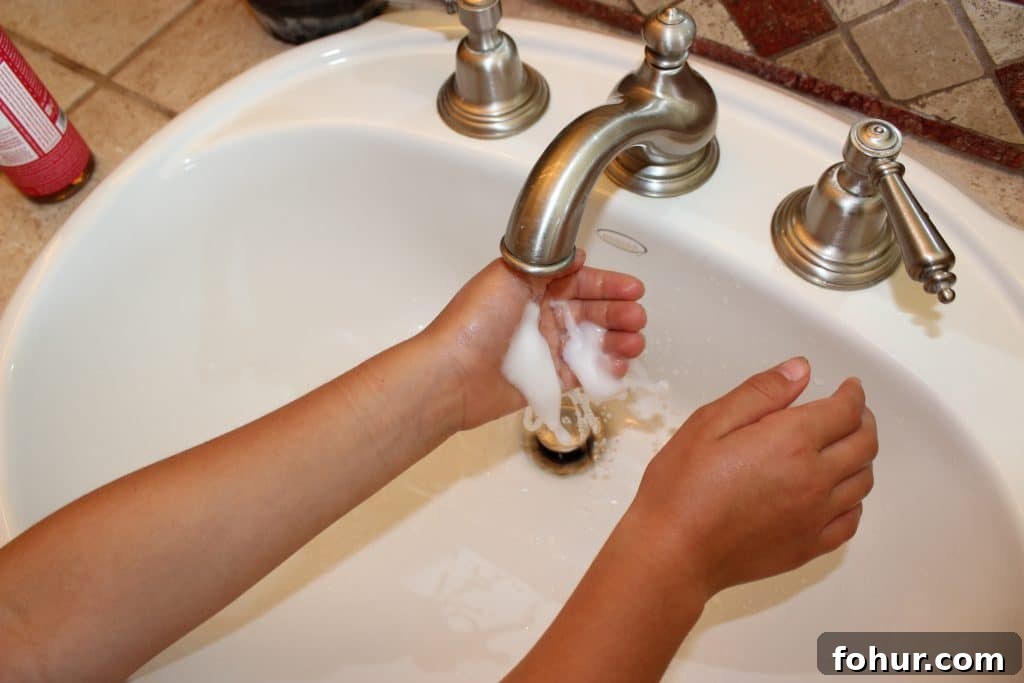
The H-2-Only
Photo by Lisa Bronner
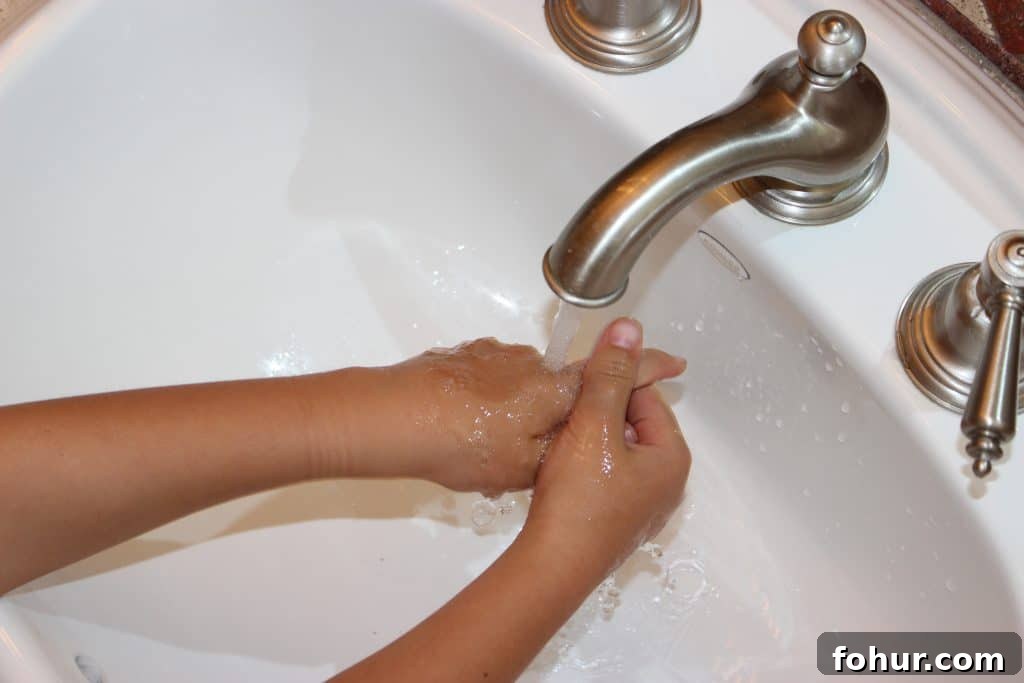
Also called the no-soap wash, this is really just a rinse. Water alone cannot lift away grease or effectively remove germs. While it may dislodge visible dirt, water without soap does not reliably remove the microbes that spread disease.
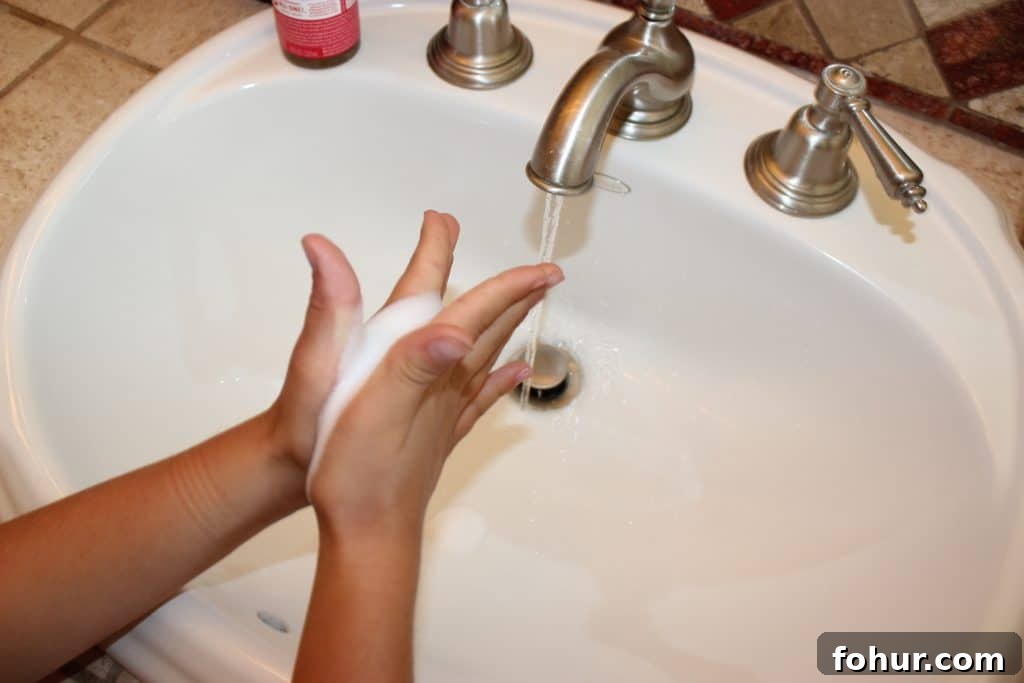
The flash wash
Photo by Lisa Bronner
A quick lather that lasts a second or two is ineffective. Soap needs time to interact with oils and dirt to lift them away from skin. Spend enough time to cover all hand surfaces so soap can do its job.
The finger-free
Photo by Lisa Bronner
Children often scrub palms but miss fingers, fingertips, and the areas between fingers. Those are the parts that touch faces, food, and shared surfaces most often. A thorough wash must include nails, fingertips, and spaces between fingers.
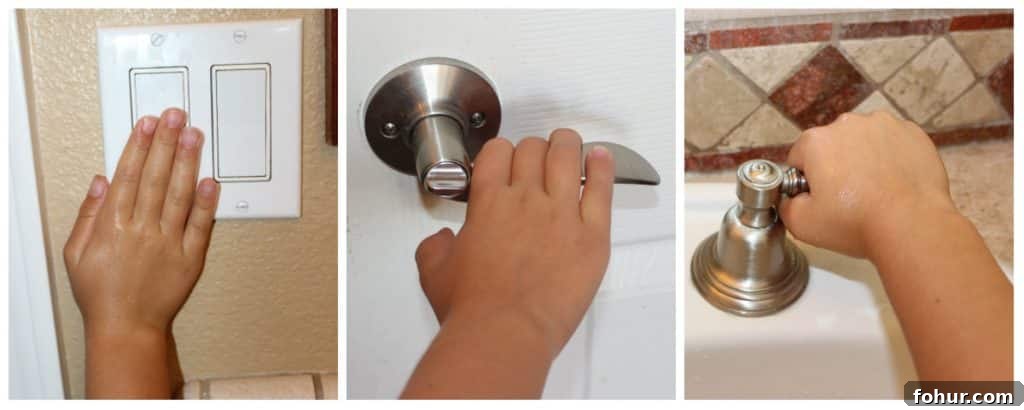
The why-bother
Photo by Lisa Bronner
Even with a good wash, touching contaminated surfaces afterward — faucet handles, paper towel dispensers, door knobs, light switches, or dryer buttons — can recontaminate clean hands. Teach children to use a paper towel, the back of the hand, an elbow, or their less-used fingers to turn off taps and open doors when possible. If cloth towels are used, remember they can become contaminated quickly and may not be a reliable way to dry hands.
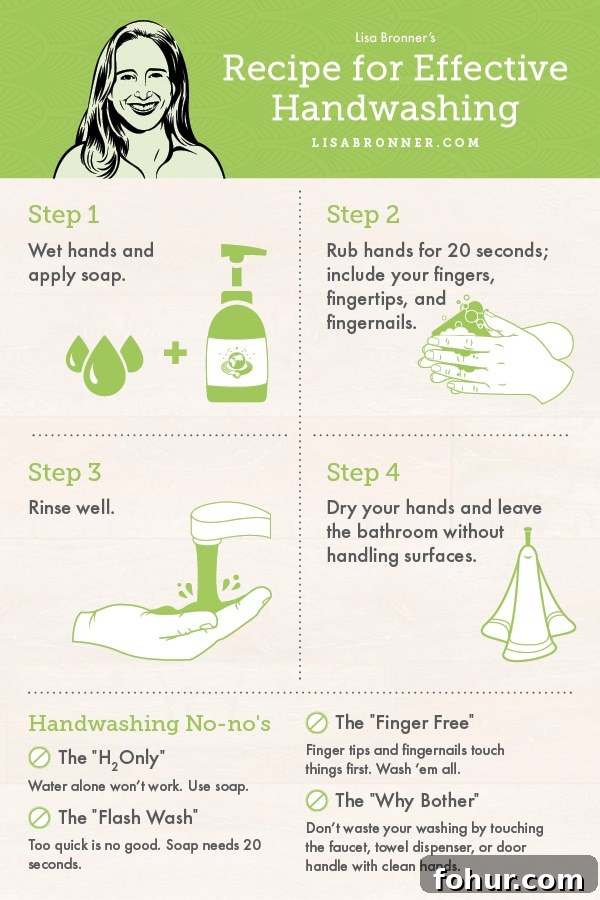
Here’s a clear, printable summary our designer prepared to remind families of effective handwashing.
Recipe for effective handwashing
Save or print this graphic and display it by the sink as a friendly reminder for kids and adults.
How to wash your hands with Dr. Bronner’s soaps
There are three practical ways to use Dr. Bronner’s Pure-Castile soaps for handwashing:
Make a foaming hand soap by diluting one part castile soap with three parts water in a foaming dispenser.
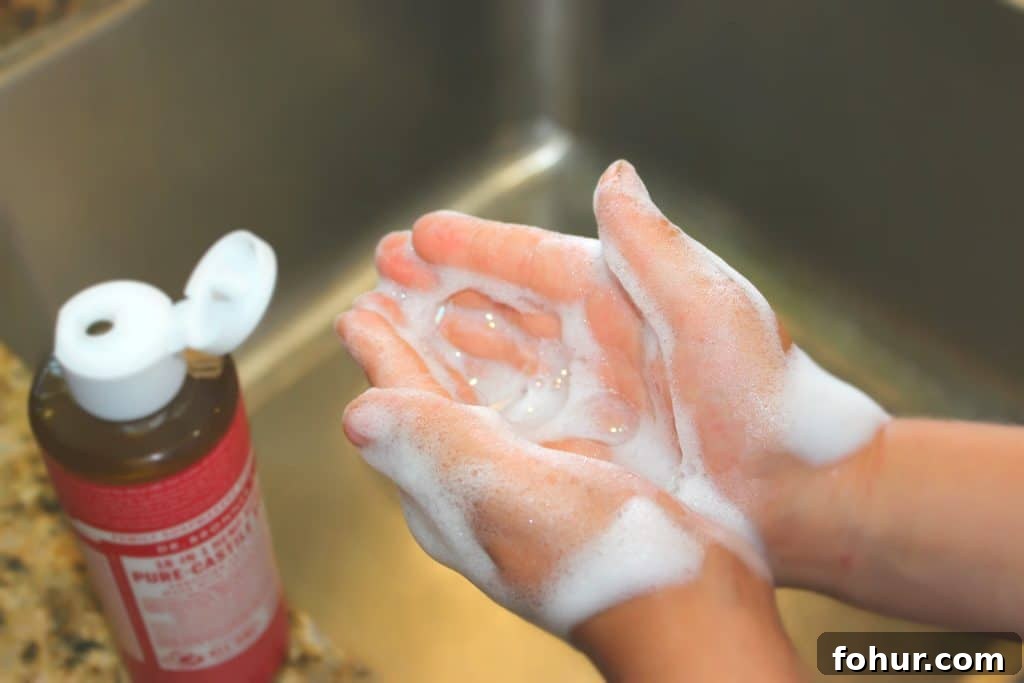
Dispense a couple of drops from the liquid soap bottle and lather thoroughly between palms, fingers, and under nails.
Use a bar soap by lathering it directly in your hands and ensuring all surfaces are scrubbed.
Practice makes perfect
Go over these handwashing tips with household members, caregivers, and children. Reinforce when to wash: before eating or preparing food, after using the restroom, after coughing or sneezing, after playing outside, and after contact with sick people. Demonstrate the correct technique and the amount of time to spend scrubbing — roughly 20 seconds of lathering — and make it routine.
Teaching and practicing proper hand hygiene reduces missed work and school days, fewer doctor visits, and less time spent caring for sick family members. It’s simple, cost-effective, and one of the best public-health habits to build for families and communities.
Further reading
Ditch the Antibacterial: Soap is All You Need
Bar Soap Dilutions Cheat Sheet
Dilutions Cheat Sheet for Liquid Castile Soap
Note: Peppermint and eucalyptus scents can be overpowering for very young children and are not recommended for children under 3 years of age.