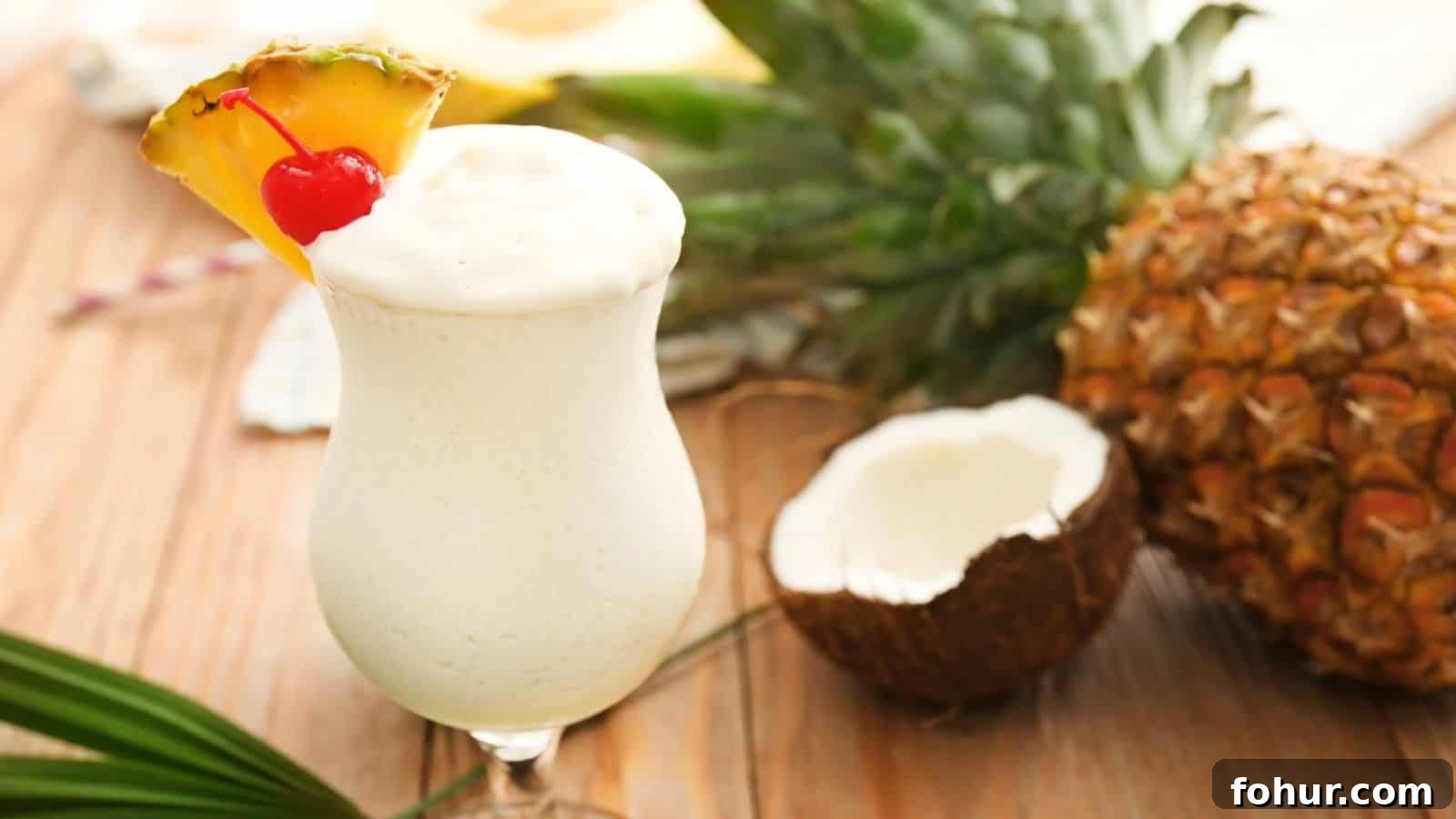
Every July 10, bartenders and cocktail lovers mark a drink that was long dismissed as little more than a blender mishap. National Piña Colada Day has the feel of a novelty holiday—paper umbrellas, frozen machines and bright garnish—but the way serious drinkmakers talk about the cocktail has shifted. That change is tied closely to a broader renaissance in rum, which is prompting bartenders to rethink what belongs in the glass.
North America today is among the fastest-growing markets for rum, driven by innovation in premium and aged expressions, rising consumer interest, and rapid growth in e-commerce. The global rum category was valued at $20.6 billion in 2026 and is projected to reach $29.6 billion by 2033. That upward trajectory has nudged the piña colada out of the frozen-drink machine and into the hands of bartenders who pay close attention to the spirit they use.
A drink born in dispute
The piña colada’s origin story is as cloudy as the drink itself. Multiple bartenders from Puerto Rico claim to have invented it, and no single timeline is universally accepted. Ramón “Monchito” Marrero, who worked at the Caribe Hilton’s Beachcomber Bar in San Juan, is the most frequently cited creator; the hotel cites 1954 as the year, though Marrero sometimes mentioned 1952. Another bartender from the same era, Ricardo Garcia, has also staked a claim.
About a decade later, Ramón Portas Mingot said he developed his version at Barrachina Restaurant in Old San Juan, where a commemorative plaque remains. What is clear is that Puerto Rico declared the piña colada its national drink in 1978, and July 10 has been associated with the cocktail ever since.
What the blender did
The earliest versions were not blended but shaken: coconut cream, fresh pineapple juice and crushed ice, combined and served cold. Rum was added later, and the electric blender arrived as the drink’s popularity surged. The blender solved a production challenge—making the cocktail faster and easier to serve—but it also shifted expectations. Frozen and very sweet became the norm, and the rum itself often faded into the background. For decades the spirit’s quality mattered less than the icy texture and sugary profile.
Where Ron del Barrilito fits
Ron del Barrilito is a Puerto Rican aged rum known for notes of caramelized fruit, raw sugarcane and oak. Those nuanced flavors can disappear in a frozen, sugary version of the cocktail but show up clearly in a shaken preparation.
“Because Ron del Barrilito has no added sugar and draws its character from years of aging in ex-Oloroso sherry casks, it’s remarkably well-rounded — dry, layered and balanced. That’s what makes it so versatile,” says Eduardo Bacardi, director of marketing at Ron del Barrilito.
The brand’s take on the piña colada returns to the mid-century approach: shaken instead of blended, with the rum doing meaningful work in the drink rather than hiding behind sweetness. It’s a simple demonstration of what the cocktail can be when the base spirit is treated as the focal point, not an afterthought.
Bacardi notes that this style of rum “holds its own in spirit-forward classics like a rum old fashioned or Negroni, where there’s nowhere for the rum to hide, but it’s just as enjoyable in a piña colada or daiquiri, or simply over ice.”
Chef and writer Heidi Bruaw, owner of Real Life of Lulu, tasted Ron del Barrilito expecting a sweet, familiar rum and found more complexity. “The first sip, I tasted some caramel and brown sugar, but then a raisiny note snuck in and surprised me,” she said. “It’s way smoother than I thought it would be. There’s a little leather and tobacco in the middle, plus some warm spice, like nutmeg or clove. This is fancier than a poolside drink. It’s a rum you can drink on its own and enjoy.”
What bartenders do with it now
The craft evolution of the piña colada is underway in bars around the world. Bartenders are experimenting with spicy variants using ingredients like ancho chile liqueurs, smoky riffs that substitute mezcal, clarified versions that pare the drink down to a pristine, silky form, and lower-proof builds for those monitoring alcohol intake. The common thread in all these approaches is the same: the choice of base rum matters, and the frozen default is optional.
Events in Old San Juan and elsewhere often showcase this range, with local bars and restaurants pouring inventive takes on the cocktail across the streets of the city where it was born.
The bigger picture
Today, premium and aged rums account for a significant share of the global rum market by volume, reflecting a growing appetite for complexity and craft. Flavored and experimental expressions are among the fastest-growing segments, driven largely by younger consumers seeking alternatives to the standard well pour. The piña colada, despite its kitschy image, fits into both trends: it has a debated origin, a genuine history, and a base spirit that is finally receiving focused attention. The blender remains part of the story, but it no longer defines it.
A cocktail once treated as a punchline is now a space for creativity and serious technique. As premium rum builds its presence in North America and beyond, the question has shifted from whether the piña colada deserves to be taken seriously to whether the rum in the glass is worthy of that care.
Jennifer Allen is a retired professional chef and longtime food writer whose work has appeared in numerous publications. She spends her time developing recipes, traveling, and sharing culinary ideas on her website, Cook What You Love.