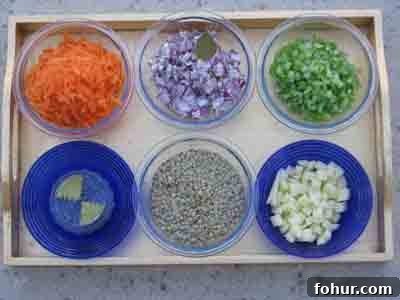
Greek Lentil Soup (Fakes)
I discovered this soup thinking it would be humble and plain—then I was surprised by how bright and satisfying it tastes. Known in Greek as fakes (pronounced fah-KESS), this lentil soup is remarkably simple to make: no meat, no cheese, and no meat-based stock. The deep, comforting flavor comes mainly from the lentils themselves, a few aromatic vegetables, and a finishing touch of extra virgin olive oil and red wine vinegar that lifts every element into something lively and memorable.
Why this recipe works
The base is straightforward: lentils, onions, carrots, celery, a bay leaf, garlic and water. You don’t need to sauté the vegetables first—just chop them and simmer with the lentils. Though it sounds minimal, the natural sweetness of the vegetables and the earthiness of the lentils combine into a satisfying broth. The real secret to the classic Greek finish is to drizzle high-quality extra virgin olive oil into each bowl and let each diner add red wine vinegar to taste. That acidic, fruity contrast makes all the flavors pop.
Ingredients
- 1/2 pound (~1 cup) lentils
- 1 onion, chopped
- 2 cloves garlic, chopped
- 2 carrots, sliced, chopped, or grated*
- 2 stalks celery, chopped
- 1 potato, cut into cubes 1/2 inch or smaller
- 1 bay leaf
- 6–8 cups water
- 1 pound tomatoes, grated, or a 14.5 ounce can of tomato sauce
- 1 greek coffee cup extra virgin olive oil (about 1/4 cup)
- 2 tsp salt (adjust to taste)
- 1/2 tsp ground black pepper
Method
1. Rinse the lentils and pick out any debris. Place lentils in a large pot with the chopped onion, garlic, carrots, celery, potato, bay leaf and 6–8 cups of water.
2. Bring to a boil, then reduce to a gentle simmer. Cook until the lentils are tender to your liking—about 25–35 minutes depending on the type of lentils and their age.
3. When the lentils are soft, stir in the grated tomatoes or canned tomato sauce, the extra virgin olive oil, salt and pepper. Simmer another 8–12 minutes to meld the flavors. Remove and discard the bay leaf.
4. Serve hot. Let each person add red wine vinegar to taste and an extra drizzle of olive oil if desired.
Notes and variations
- Type of lentils: Brown or green lentils hold their texture well; red lentils will break down more and make a thicker, creamier soup. Choose based on the texture you prefer.
- Tomato options: Fresh grated tomatoes give brightness; a good-quality canned tomato sauce is a convenient substitute and works beautifully.
- Finish: The classic garnish is extra virgin olive oil and red wine vinegar. A squeeze of lemon juice is also a pleasant variation if you prefer a citrusy lift.
- Make it heartier: Add a handful of chopped kale or spinach at the end of cooking, or stir in cooked whole grains for extra body.
- Herbs and spices: A bay leaf and black pepper are traditional; a pinch of oregano or crushed red pepper can be added to taste.
Tip for picky eaters
If you’re cooking for children or anyone who tends to pick out vegetables, try chopping carrots very finely or grating them. Finely chopped or grated carrots blend into the broth more seamlessly, making them less noticeable while still contributing sweetness and nutrition.
Storage and reheating
Cool the soup before refrigerating. It will keep in the refrigerator for several days and often tastes even better the next day as the flavors meld. This soup also freezes well—portion into airtight containers and freeze for convenient meals later. Reheat gently on the stove and adjust seasoning and vinegar before serving.
Nutrition and serving
Greek lentil soup is a nutritious, plant-based option that provides protein, fiber and a range of vitamins and minerals from the vegetables. It makes a satisfying main course with a side salad and crusty bread, or a comforting starter for a larger meal.
The charm of fakes is how a handful of humble ingredients turn into something bright and nourishing—proof that simple cooking, good olive oil and a splash of vinegar can create exceptional flavor.
*A note about the carrots: If you want the carrots to disappear into the soup (especially helpful for children), grate them on a box grater or finely chop them so they soften and integrate into the broth.