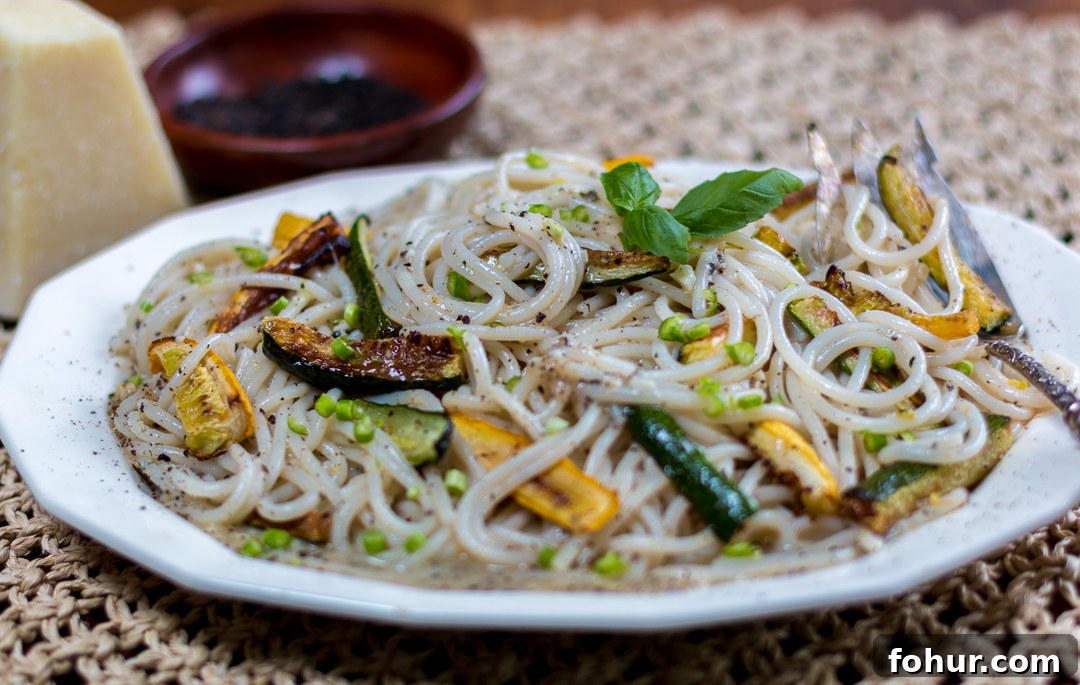
Cacio e Pepe is a classic Roman pasta that comes together quickly with a silky, peppery cheese sauce. Here I give it a light update with roasted zucchini and garlic, and I used a neutral-tasting gluten-free spaghetti that performed beautifully—feel free to use traditional semolina pasta if you prefer.
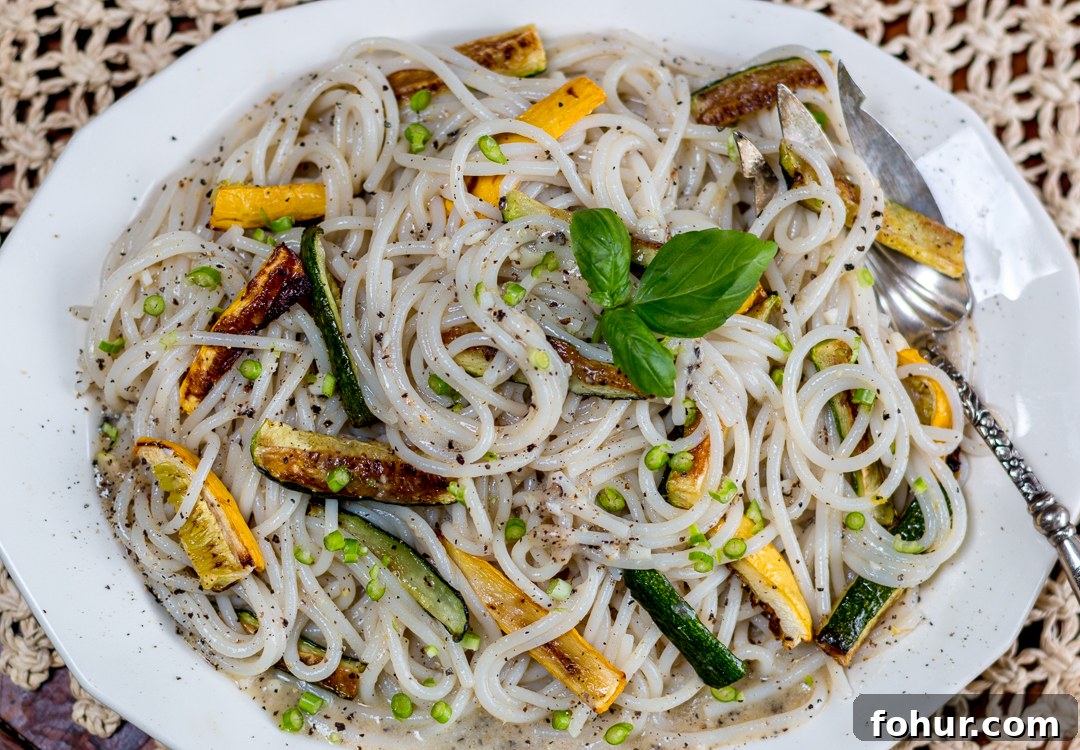
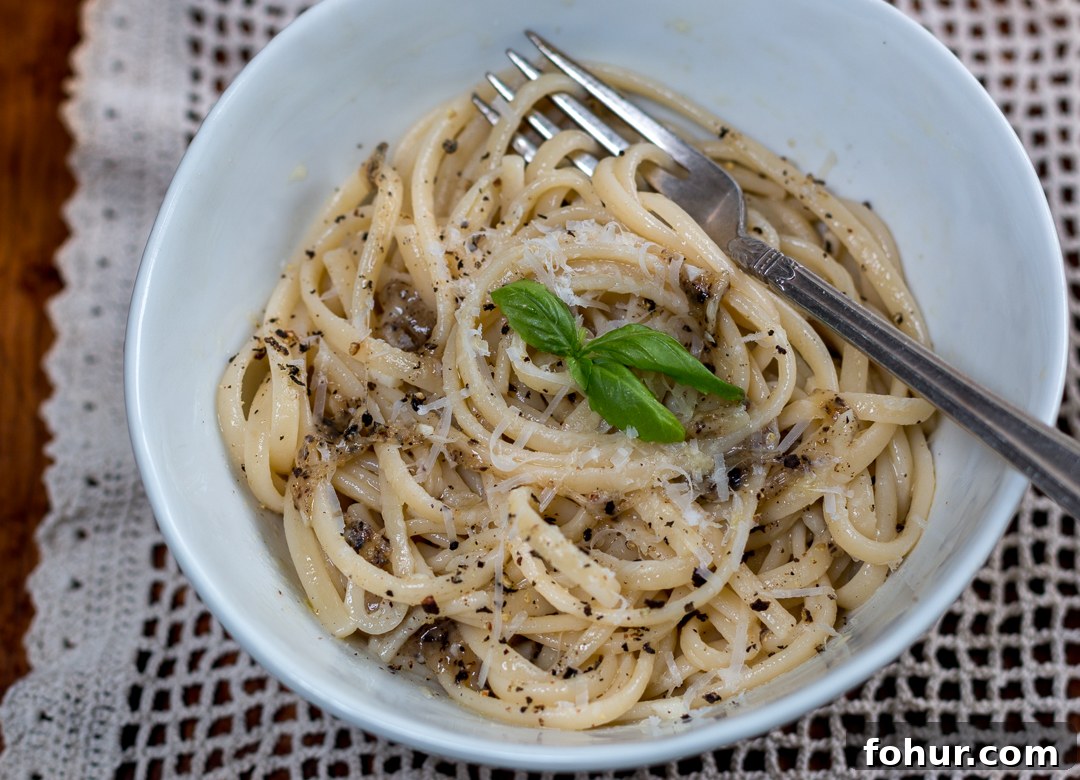
You’ll love how few ingredients make this flavorful meal. It’s easy to prepare and the technique matters most—get the sauce creamy by using reserved pasta water and vigorous stirring.
I’ve taken the traditional recipe and added oven-roasted zucchini and a bit of chopped garlic for freshness and texture. Roasting zucchini concentrates its flavor and gives the dish a pleasant contrast to the rich, peppery sauce. I recently came back from the Hudson Valley Garlic Festival and used fresh summer garlic here; it brightens the Cacio e Pepe without overpowering it.
“Cacio e Pepe” literally means “cheese and pepper” in Italian. The classic version relies on only a few high-quality ingredients: black pepper, Pecorino Romano (often combined with Parmigiano Reggiano), and pasta. This simple Roman preparation produces a deeply satisfying plate of pasta with a creamy mouthfeel created by emulsifying cheese with starchy pasta water.
The secret to the sauce: save some of the water used to cook the pasta. The starchy cooking water, combined with finely grated cheese and vigorous stirring, creates the silky emulsion that defines true Cacio e Pepe. In the original recipe, cheese and pasta water are the primary sauce components.
Ingredients used here: extra virgin olive oil, plenty of freshly cracked black pepper, chopped garlic, reserved pasta water, pasta (I chose white rice gluten-free spaghetti), Pecorino Romano, Parmigiano Reggiano, oven-roasted zucchini, and garlic scapes or chives for garnish. Use the best-quality cheese and olive oil you can—when ingredients are few, quality matters.
Why I chose white rice gluten-free spaghetti: this variety is neutral in flavor and holds together when tossed, producing a slightly starchier pasta water that helps the sauce bind. Many gluten-free pastas made from legumes or corn can have pronounced flavors or break apart; white rice spaghetti gives a more traditional texture and clean taste. Of course, regular Italian semolina spaghetti works perfectly if you prefer it.
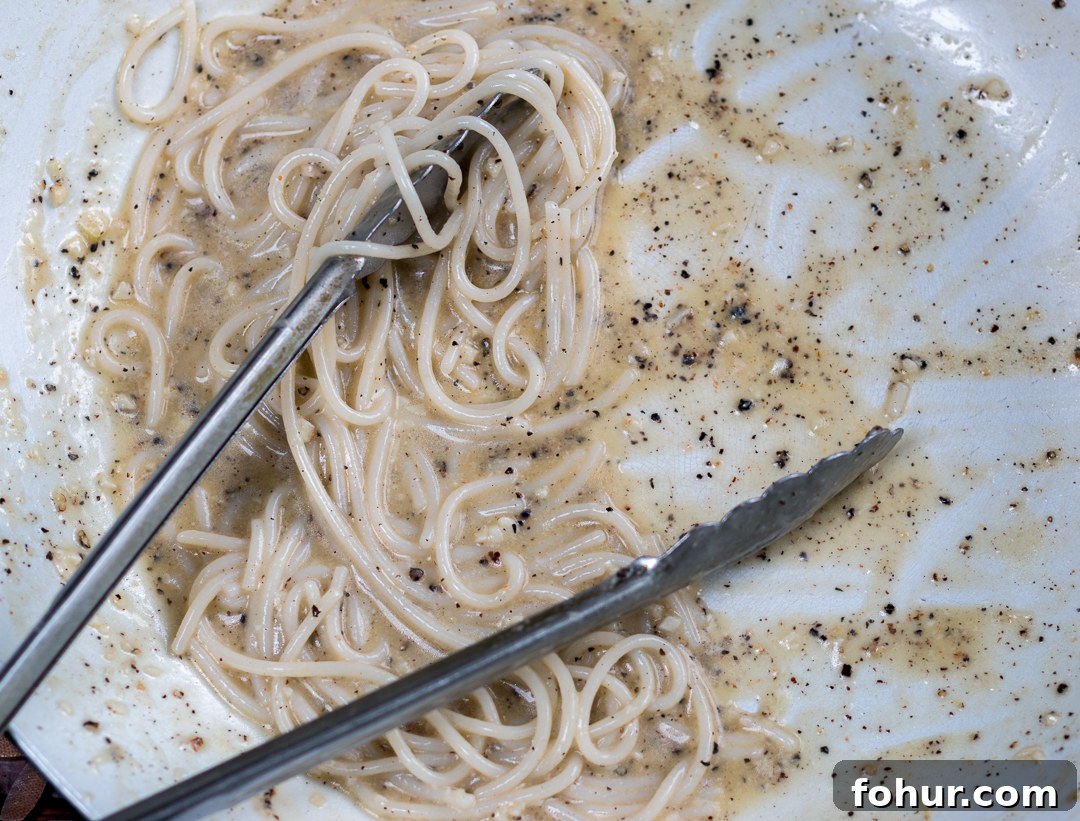
How to prepare: Roast zucchini batonnettes ahead of time until tender and lightly caramelized. In a wide skillet, warm extra virgin olive oil over low to medium heat, add a generous amount of fresh cracked black pepper to bloom the aroma, then briefly sauté chopped garlic for a minute or two—just until fragrant. Meanwhile, cook the pasta until al dente and reserve a cup or so of the cooking water.
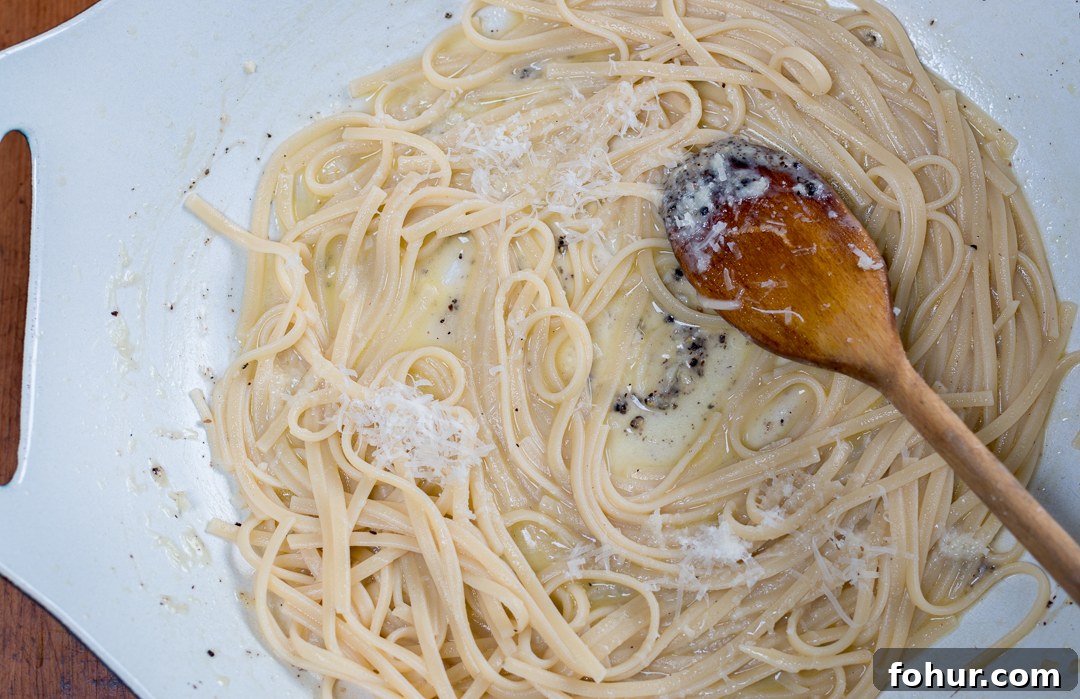
Add a splash of the reserved pasta water to the pan, bring it to a gentle simmer, then toss in the drained pasta and stir to coat. Remove the pan from the heat and add the grated cheeses gradually, tossing and stirring to form a smooth, creamy sauce; add more reserved pasta water as needed to achieve the right consistency. Fold in the roasted zucchini, taste and adjust with a little more pepper or cheese if desired, and finish with sliced garlic scapes or chopped chives. Fresh basil leaves make a lovely optional garnish.
This approach keeps the essence of Cacio e Pepe while introducing vegetables and a subtle garlic note. The result is comforting, bright, and perfectly balanced—peppery and cheesy with tender bites of roasted zucchini throughout. Serve immediately and enjoy the simple pleasure of a well-made pasta.
Enjoy!
Karen
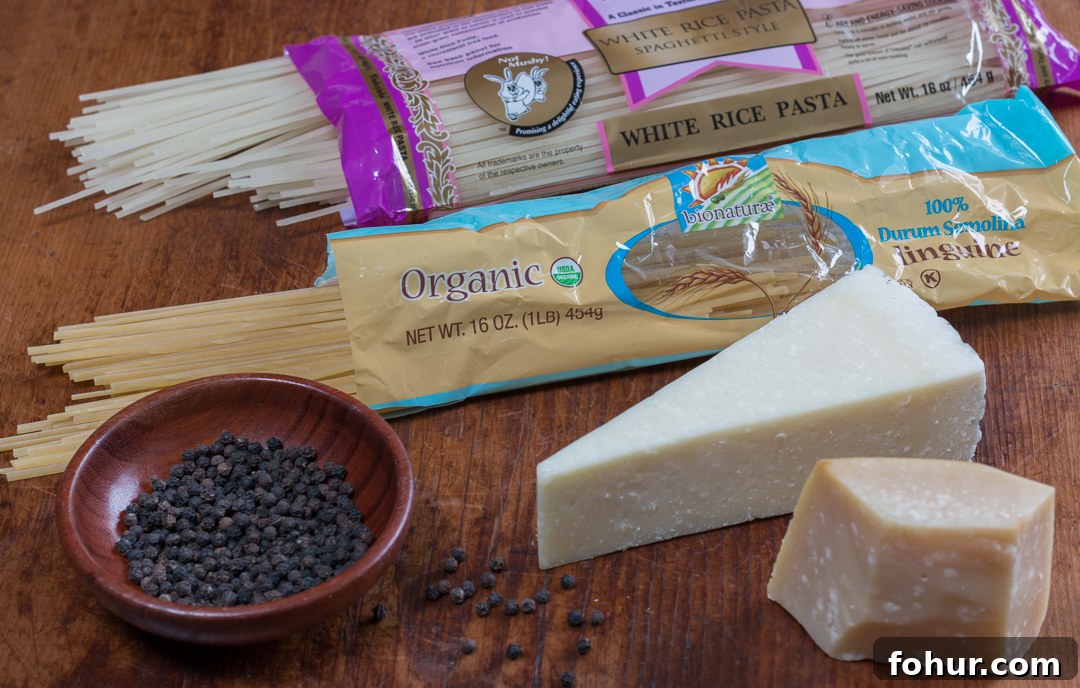
This gluten-free spaghetti cooks like traditional pasta—neutral in taste and sturdy when tossed. Use regular Italian pasta if you prefer.