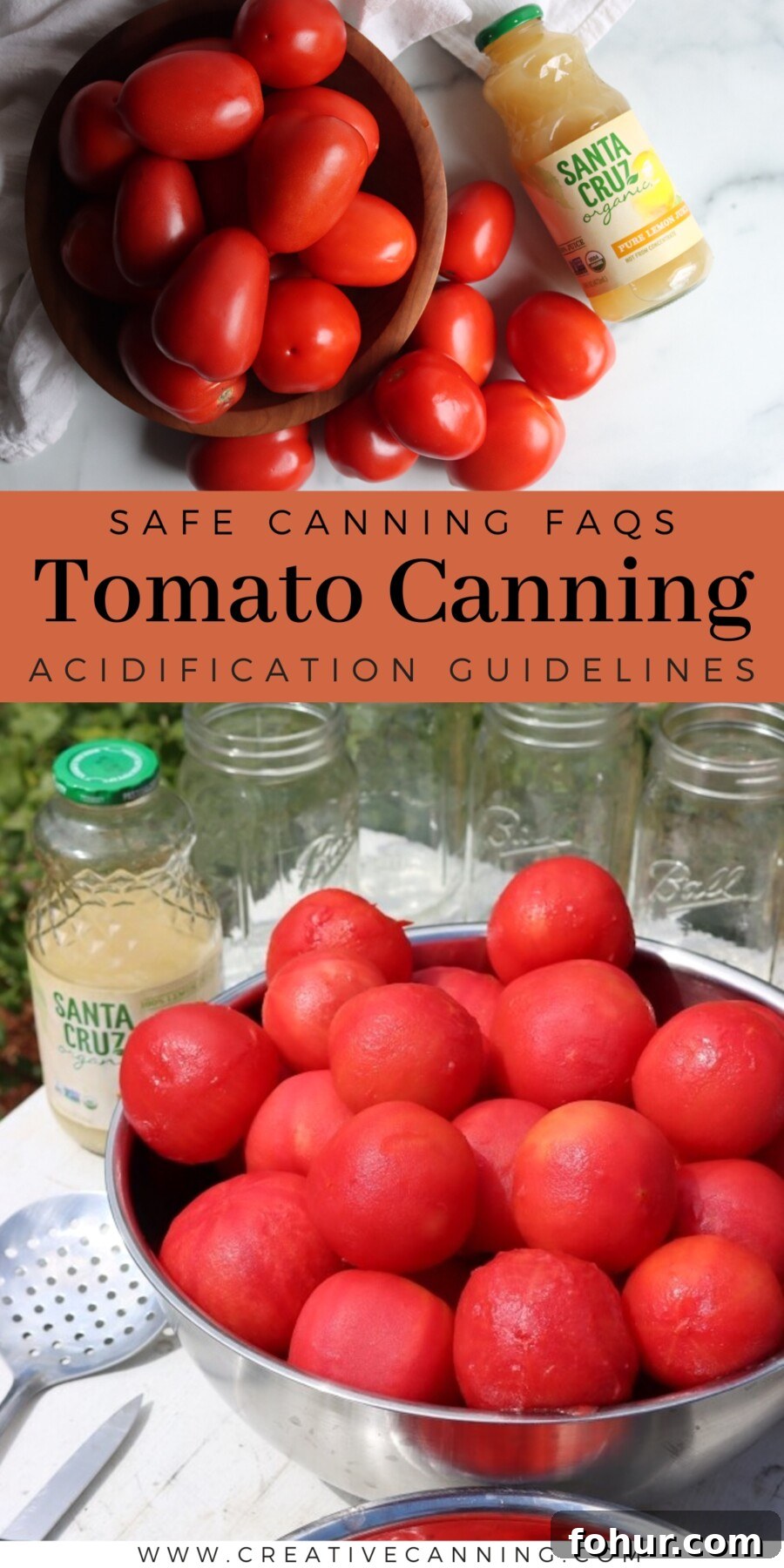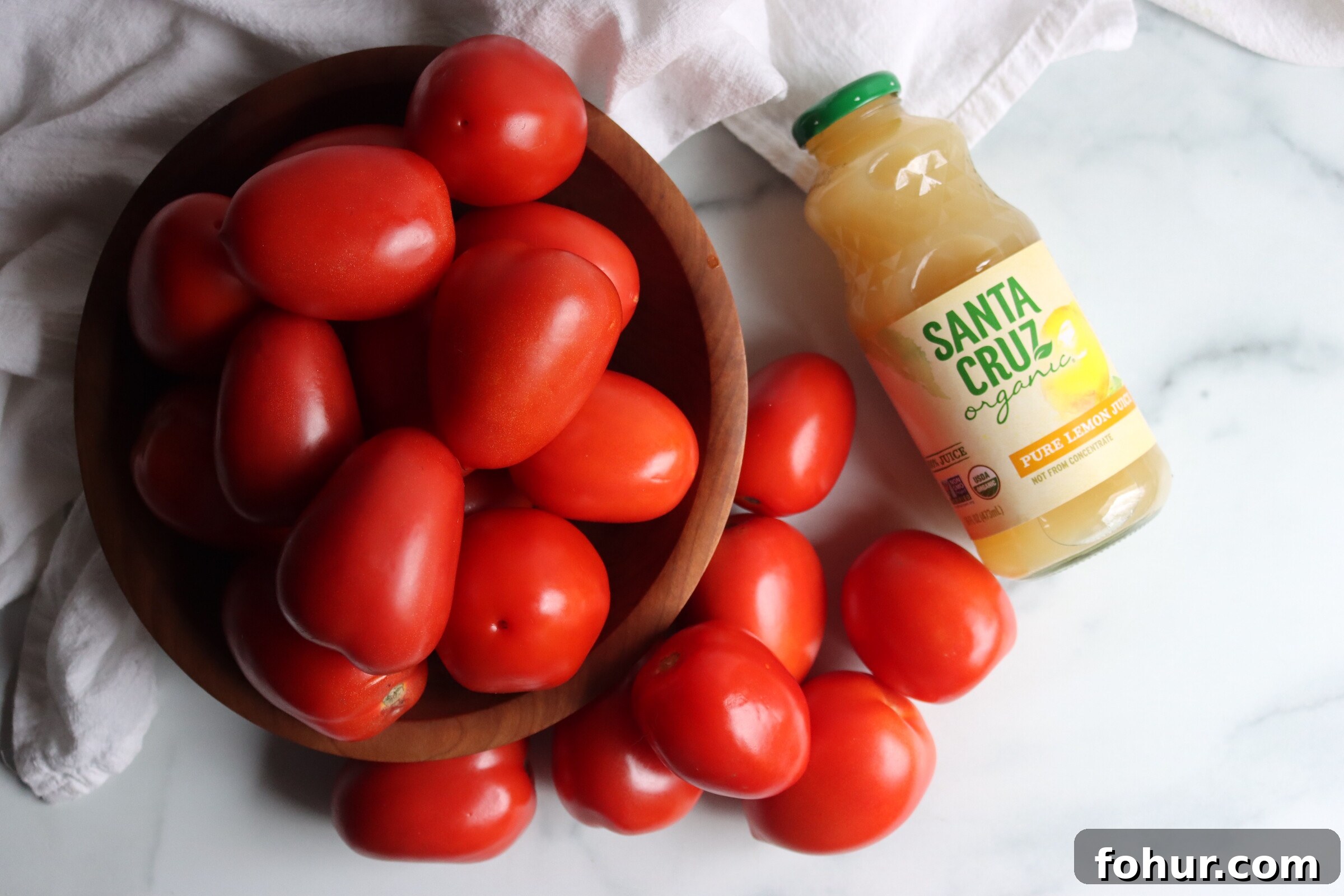
Acidifying tomatoes for home canning is a small but crucial step that protects your jars and keeps them shelf stable. Whether you’re canning whole tomatoes, crushed tomatoes, juice, or plain sauce, adding the correct amount of bottled lemon juice, citric acid, or vinegar to each jar ensures a safe finished product.
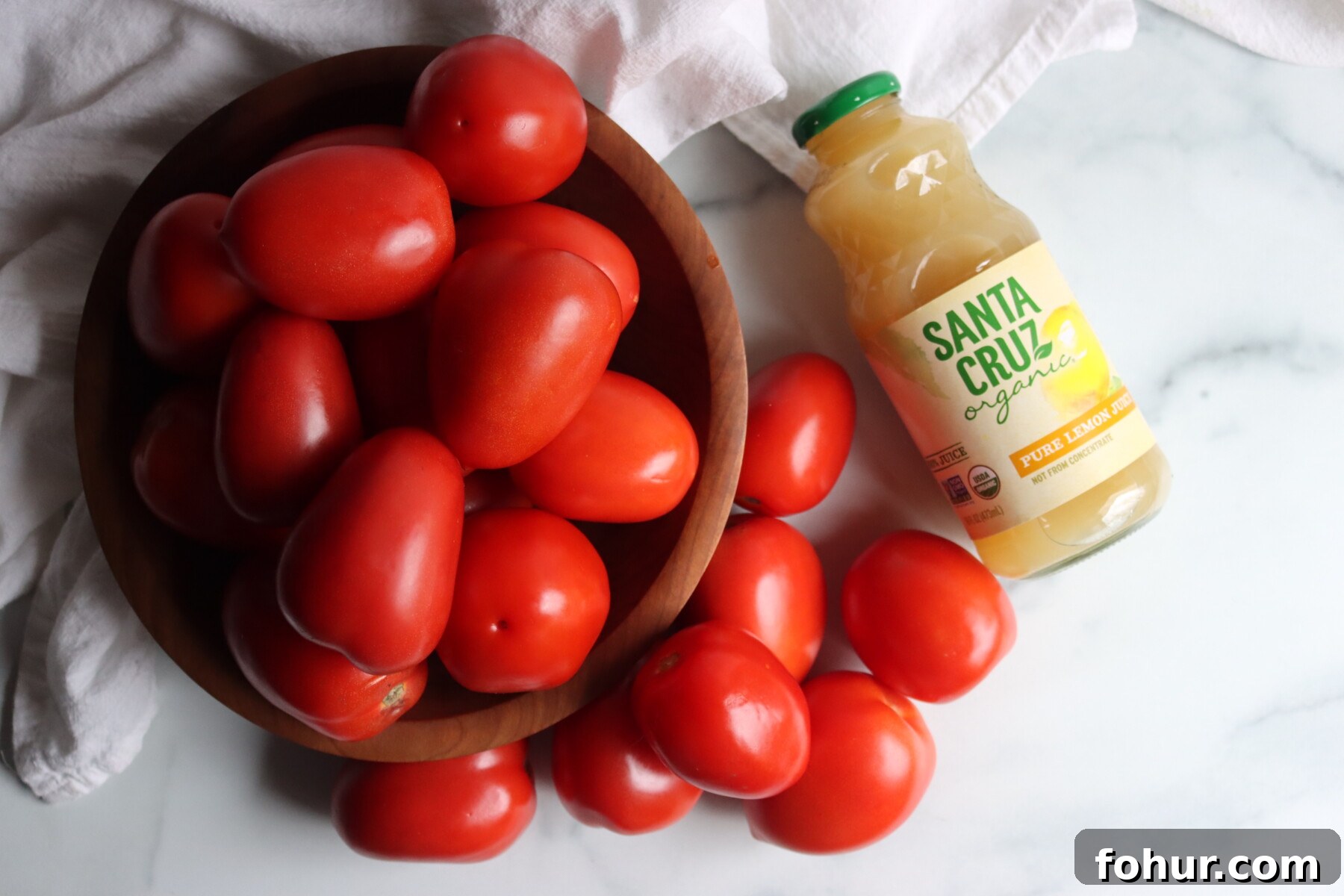
If you’ve canned tomatoes for any length of time you may have noticed newer, tested recipes almost always instruct you to add an acid to the jars. Older recipes sometimes skip this step, and homegrown tomatoes can taste very tart, so it’s understandable that the extra acid might seem unnecessary. In reality, acidifying tomatoes is a safety measure: it standardizes acidity so the recommended processing method will reliably prevent spoilage and harmful bacteria.
The process is simple. You do not need to alter your tomato recipe or perform any complicated steps. Add a measured amount of acid to each jar before filling it with the hot tomato product, and follow the tested processing instructions. Once you make it part of your routine, it’s quick and easy.
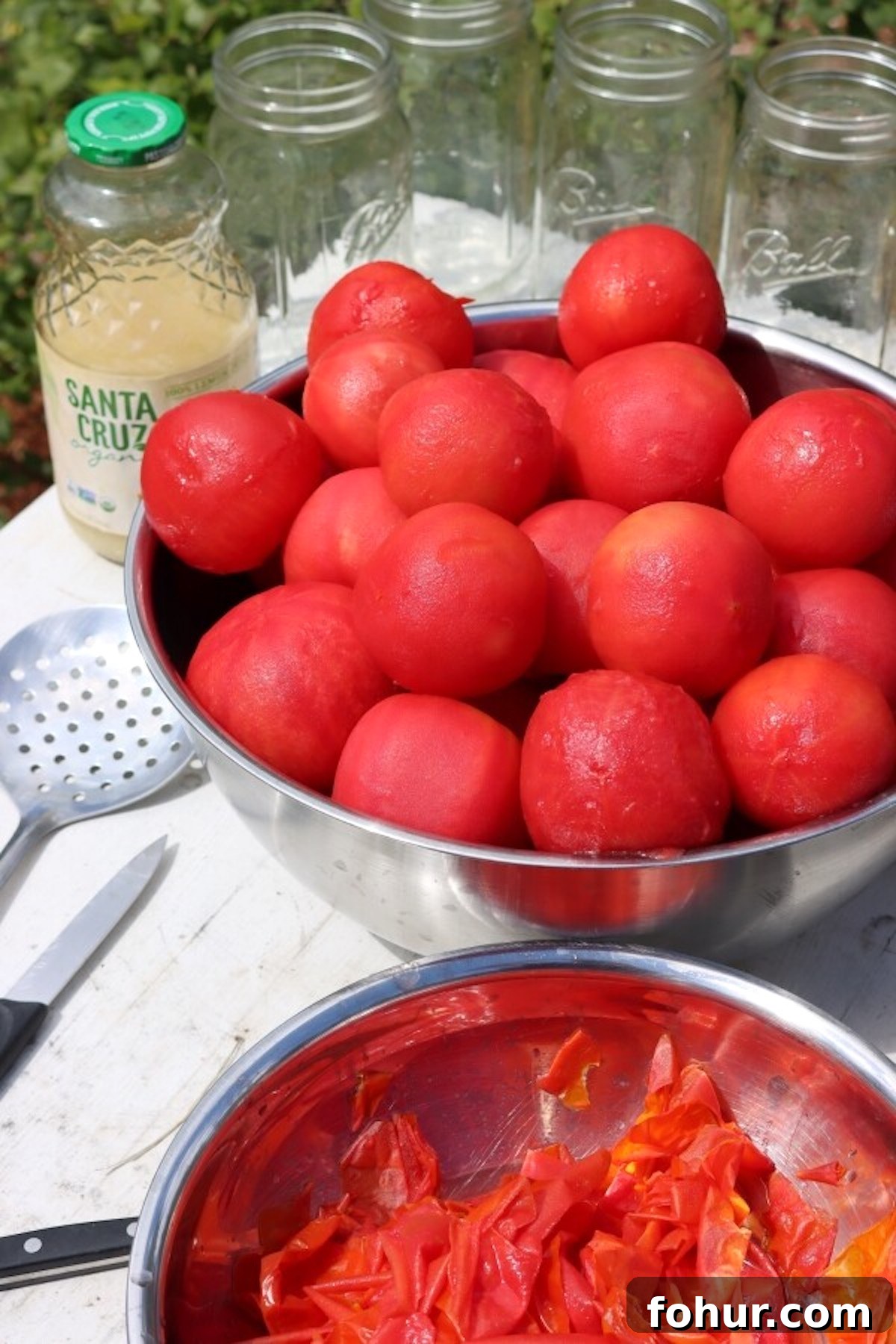
Acidification Guidelines for Canning Tomatoes
If you want the quick reference, use one of the following per jar to ensure safe acidity levels:
For Quart Jars (choose one):
- 2 tablespoons bottled lemon juice
- ½ teaspoon citric acid
- 4 tablespoons 5% vinegar
For Pint Jars (choose one):
- 1 tablespoon bottled lemon juice
- ¼ teaspoon citric acid
- 2 tablespoons 5% vinegar
Put the acid into the empty jar before you add the tomatoes. If you prefer a slightly softer taste, you can add sugar to the final dish later, but do not reduce the acid amount in the jar—the full measured amount is required for safety. These guidelines apply whether you water-bath or pressure can plain whole tomatoes, crushed tomatoes, juice, or sauce.
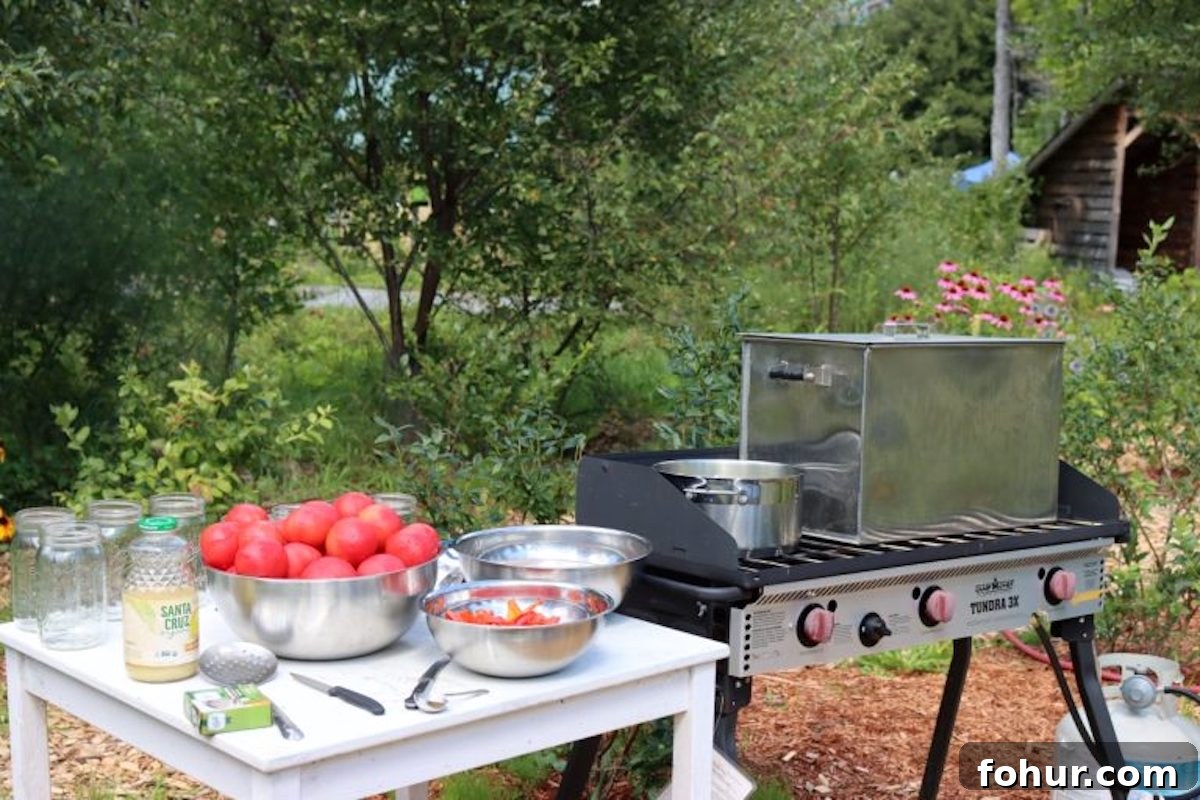
Best Option for Acidifying Tomatoes
Here’s a simple comparison to help you choose:
- Bottled lemon juice — easy to find and commonly used; standardized acidity makes it reliable.
- Citric acid — delivers dependable acidification with minimal flavor change; compact and long-lasting in the pantry.
- Vinegar (5% acidity) — effective, but can noticeably alter the tomato flavor.
For plain canned tomatoes and mild sauces, citric acid often preserves the cleanest tomato flavor. Bottled lemon juice is a perfectly acceptable and convenient alternative for most home canners.
Why Tomatoes Need Added Acid
Tomatoes fall close to the dividing line between high-acid and low-acid foods. Some varieties and growing conditions produce naturally more acidic fruit than others, and there’s no reliable way to determine acidity by taste or appearance. Because of that variability, tested canning recipes include an acidification step so every jar reaches a safe pH.
Standardizing acidity in each jar allows the recommended processing time and method to be effective. Without adding acid, jars could have unpredictable pH and might not be adequately preserved during processing.

Which Tomato Recipes Need Acidification?
Acidification applies to many basic tomato preparations, including:
- Whole tomatoes
- Halved tomatoes
- Crushed tomatoes
- Tomato juice
- Tomato sauce
If a tested recipe instructs you to acidify jars, do not skip that step. Some more complex, fully formulated recipes—such as salsa, ketchup, chutney, tomato jam, and relishes—already include acidic ingredients in the recipe itself, so you should follow those recipes exactly and only add extra acid if the recipe specifically directs you to do so.
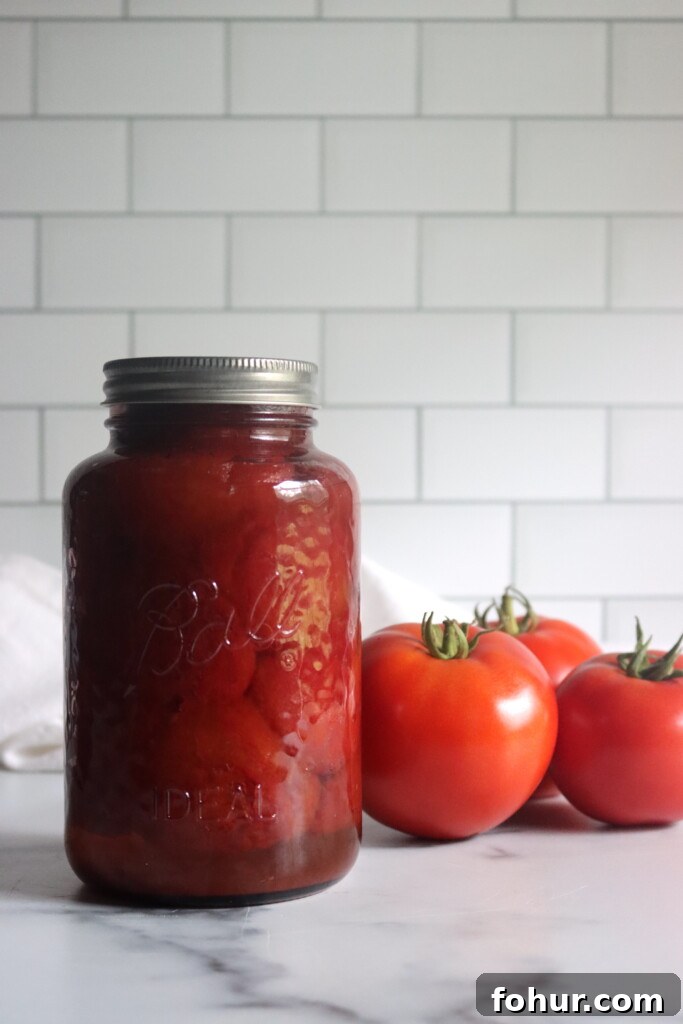
How to Acidify Tomatoes for Home Canning
Add the chosen acid directly to each empty, hot jar before filling. This ensures every jar receives the correct, measured amount. Use one of the following:
- Bottled lemon juice: 1 tablespoon per pint or 2 tablespoons per quart
- Citric acid: 1/4 teaspoon per pint or 1/2 teaspoon per quart
- 5% acidity vinegar: 2 tablespoons per pint or 4 tablespoons per quart
After acidifying, ladle in the hot tomato product, leave the headspace specified by the recipe, remove air bubbles if necessary, wipe the jar rims, seal with lids, and process as directed in the tested instructions.
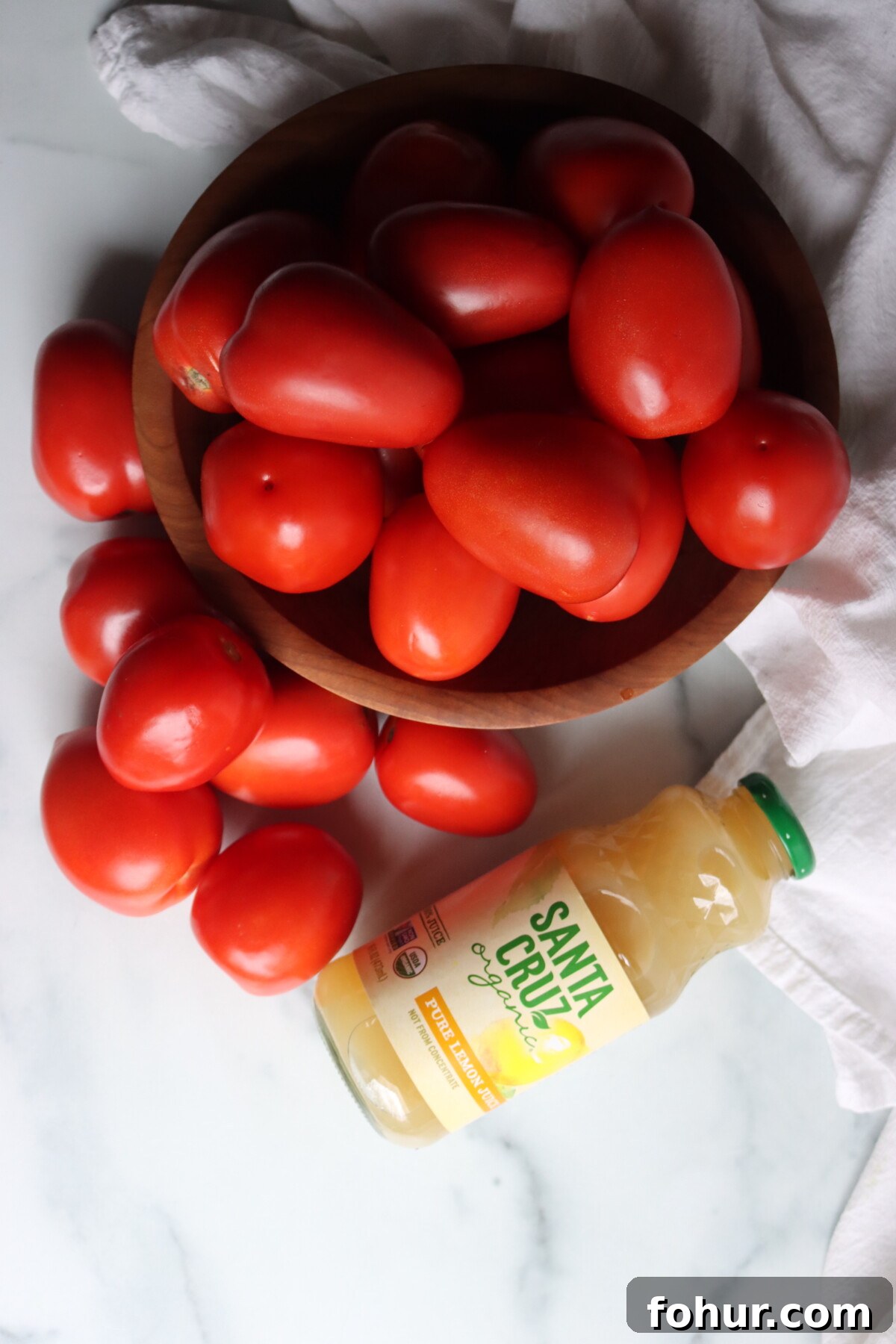
Bottled Lemon Juice for Canning Tomatoes
Bottled lemon juice is familiar and convenient. It’s important to use bottled lemon juice rather than fresh-squeezed because bottled juice has a consistent acidity level that tested recipes rely on. Fresh lemons vary too much to be a dependable substitute.
Use 1 tablespoon per pint or 2 tablespoons per quart. When working in bulk, many canners add the lemon juice to all empty jars first so the step isn’t missed later.
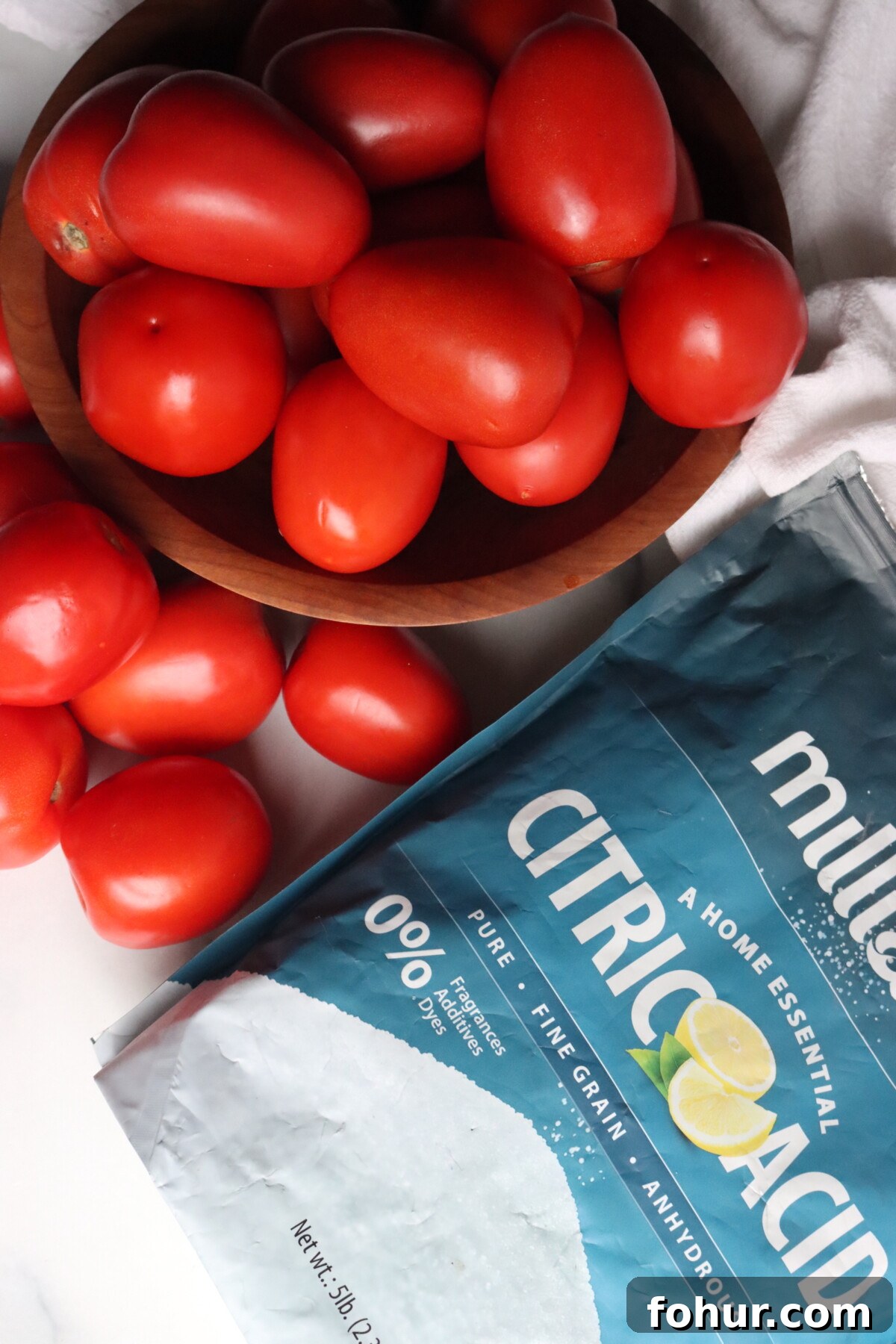
Citric Acid for Canning Tomatoes
Citric acid is a concentrated, pantry-stable powder that acidifies with minimal impact on flavor. Because only a small amount is needed, it’s an excellent choice for plain tomatoes or delicate sauces where you want the tomato flavor to remain predominant.
Use 1/4 teaspoon per pint or 1/2 teaspoon per quart. Citric acid stores well and is convenient for frequent canners.
Can You Use Vinegar Instead?
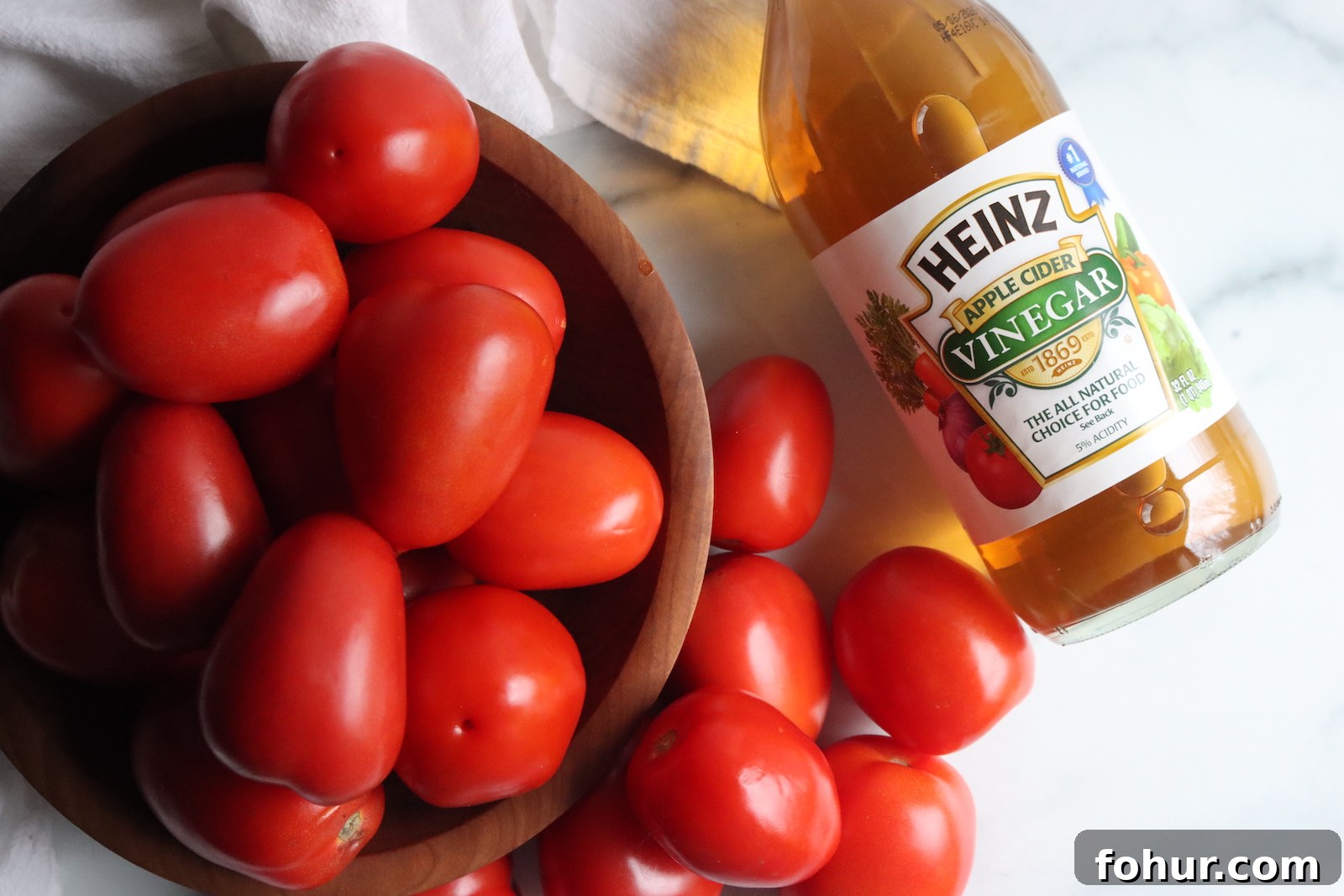
Yes. Use 5% acidity vinegar and add 2 tablespoons per pint or 4 tablespoons per quart. Vinegar is effective but tends to change the flavor more than bottled lemon juice or citric acid, so many people reserve it for recipes where its taste is acceptable.
Tomato Canning Acidification FAQs
Add the acid before filling the jars. That’s how most tested recipes are written and it helps prevent mistakes. Adding acid to empty jars ensures the measured amount reaches every jar and makes the workflow easier when you are working through multiple jars.
No. Pressure canning does not automatically eliminate the need for added acid. If a tested recipe requires acidification, follow the recipe exactly, even when using a pressure canner. The tested process, including acid additions, is designed to produce safe results.
It can. Vinegar has the biggest impact, bottled lemon juice can be slightly noticeable, and citric acid usually changes flavor the least. If you prefer a milder taste, balance the finished dish with a pinch of sugar after opening the jar rather than reducing the acid in the jar.
No. Fresh lemon juice is too variable in acidity and is not recommended for acidifying tomatoes in tested canning recipes. Use bottled lemon juice for consistent results when recipes call for it.
Step-by-Step: Acidifying Tomatoes for Canning
A practical checklist to follow:
- Prepare the tomatoes according to a tested recipe.
- Wash and heat the jars.
- Add the chosen acid to each empty, hot jar before filling.
- For pints use 1 tablespoon bottled lemon juice, 1/4 teaspoon citric acid, or 2 tablespoons 5% vinegar.
- For quarts use 2 tablespoons bottled lemon juice, 1/2 teaspoon citric acid, or 4 tablespoons 5% vinegar.
- Fill the jars with hot tomato product and maintain the recommended headspace.
- Remove air bubbles, wipe rims, apply lids, and tighten bands fingertip-tight.
- Process the jars according to the tested canning instructions.
Acidifying tomatoes is a small but essential practice that keeps your home-canned tomatoes safe. After a few batches it becomes second nature: measure the acid, add it to each jar, fill, and process. That simple habit gives you confidence that your jars were prepared correctly and will store safely.