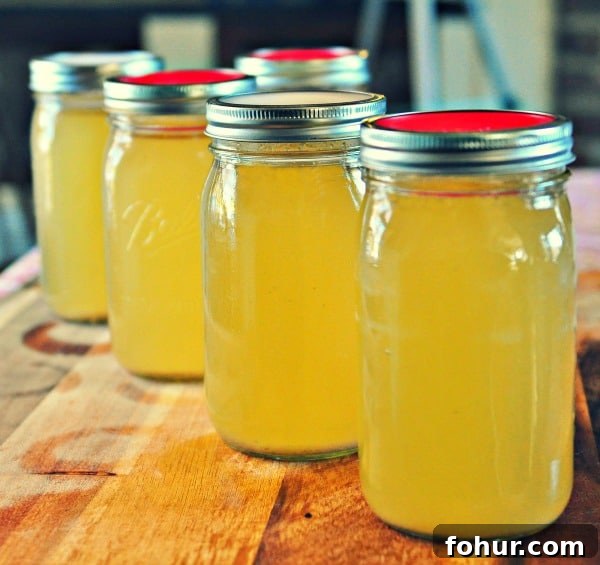
The best way to add rich, homemade flavor to soups, stews and many other dishes. Making your own easy chicken stock saves money and uses parts you might otherwise discard.
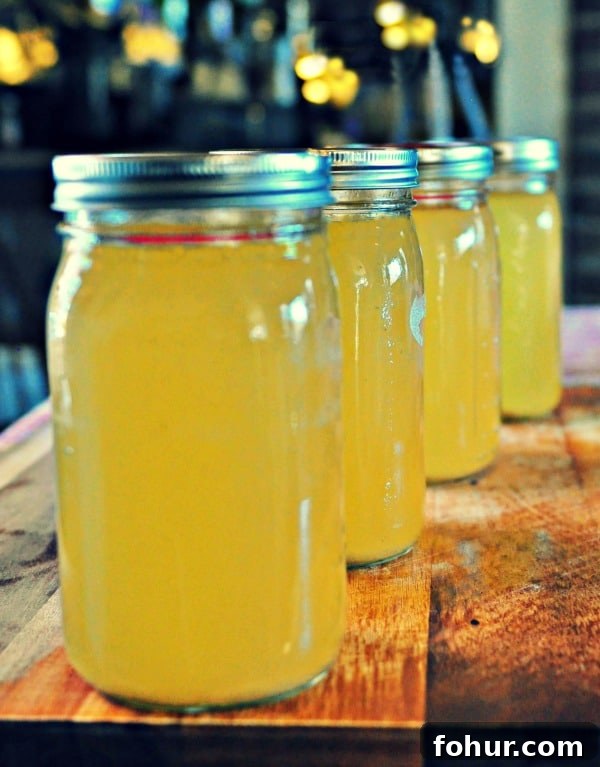
Why This Recipe Works
- Easy: Minimal technique required.
- Economical: Uses bones, scraps and leftover pieces that would otherwise be thrown away.
- Versatile: A great base for soups, sauces, grains and braises.
Here’s How It’s Done
Step 1. Put chicken pieces or a carcass into a large stockpot and add cold water until the meat is covered. Add aromatics and vegetables—celery, carrots, onions and garlic are classic—and a couple of bay leaves and whole peppercorns.
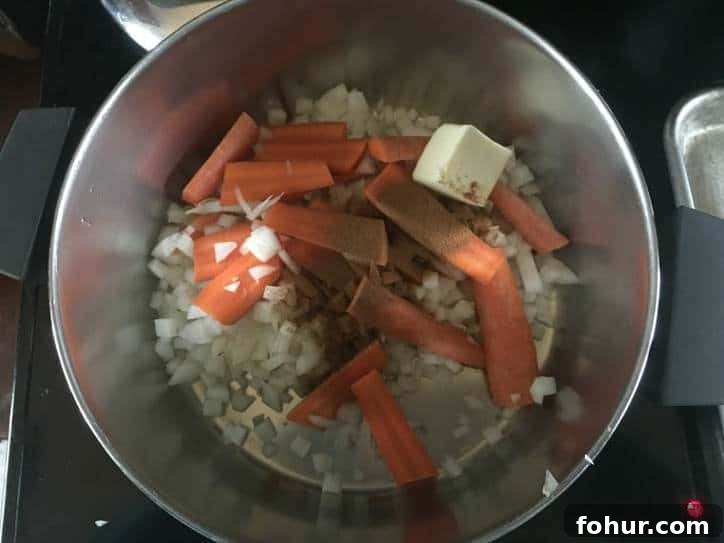
Pro tip: Lightly browning the vegetables in a little oil or butter before adding water deepens the flavor and color of the stock.
Step 2. Bring the pot just to a simmer. Reduce the heat so the liquid barely moves—low and gentle is the goal. Simmer for at least 1–2 hours; longer will extract more flavor from bones and connective tissue.
Step 3. Turn off the heat and let the stock cool slightly. Remove large solids with tongs, then strain the liquid through a fine mesh sieve or cheesecloth into clean containers. Chill until the fat solidifies on top, then skim off the fat if desired. Refrigerate, freeze or preserve by canning.
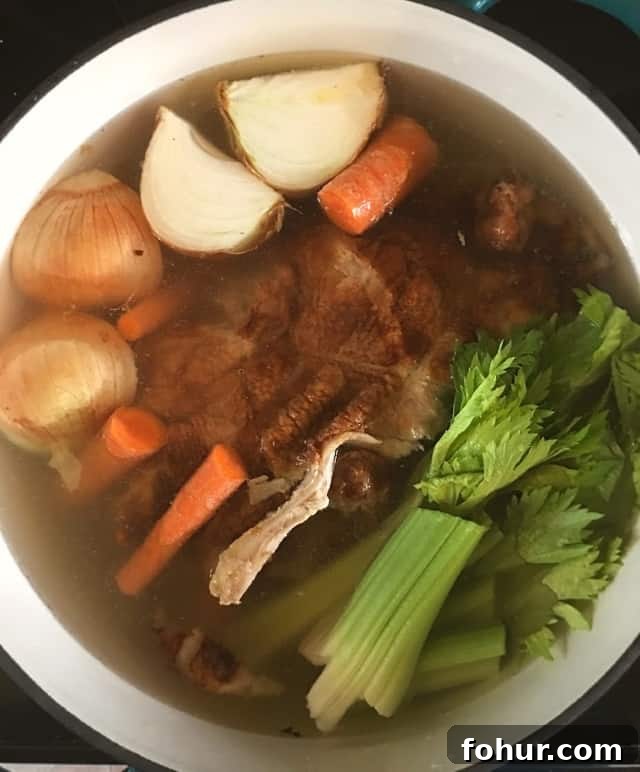
How to Make Easy Chicken Stock
- Combine about 4 lbs of chicken pieces or a carcass with 16 cups of cold water in a 6–8 quart stockpot.
- Add vegetables and aromatics: celery (including leaves), quartered onions, a halved head of garlic, 10 whole black peppercorns, 2 bay leaves and about 1 tablespoon of salt.
- Bring to a gentle boil, then reduce to a very low simmer. Do not stir or agitate the pot while simmering.
- Simmer for 1–3 hours depending on how concentrated you want the stock. Two hours is a good balance for flavor and clarity.
- Turn off the heat, remove solids, and strain the stock through cheesecloth or a fine sieve.
- Cool, refrigerate and skim fat before using. Use within 4–5 days, or freeze or can for longer storage.
How Can I Use This Chicken Stock?
Homemade chicken stock is a building block in the kitchen. Use it as the base for chicken soup, vegetable soups, creamy sauces, risottos, and to flavor cooked grains or canned vegetables. It also adds depth to braises and pan sauces. Because it is homemade, you can control the intensity and salt level to match the recipe.
Frequently Asked Questions
Is chicken stock the same as chicken broth?
They are similar but not identical. Stock is traditionally made from bones and simmered to extract gelatin and body, giving a richer mouthfeel. Broth is usually made primarily from meat and may be lighter. In most home cooking situations they are interchangeable.
How can I improve store-bought broth?
Simmer store-bought broth with added aromatics and a piece of cooked chicken for 20–30 minutes, or stir in a concentrated chicken base to boost flavor. Adding browned vegetables can also improve depth.
How long does homemade chicken stock keep?
Refrigerated, homemade stock should be used within 4–5 days. For longer storage, freeze in airtight containers for up to 6 months. Remove as much air as possible to reduce freezer burn.
Will overcooking make the stock worse?
Longer cooking extracts more flavor and gelatin, producing a richer stock. However, very long, vigorous simmering or excessive stirring can make the liquid cloudy and may break down meat into small pieces. For a clear stock, keep the simmer low and limit agitation.
Why is my broth cloudy?
Cloudiness often comes from boiling too hard or disturbing the contents while simmering. Keep the liquid at a gentle simmer and strain carefully to keep the stock clear.
What vegetables are good in stock?
- Carrots
- Celery (including leafy tops)
- Onions (papery skins can stay on for color)
- Garlic
- Whole peppercorns and bay leaves for aromatics
Tips and Tricks
- Save leftover bones and carcasses from rotisserie chicken or turkey in a freezer bag labeled “Chicken Parts” to make stock later.
- Keep a separate “Vegetable Parts” bag for carrot tops, onion ends, and celery leaves to drop into the pot when you make stock.
- Onion and garlic skins add color; wash them first and include them with the other aromatics.
- Browning vegetables before adding water intensifies flavor and color—an easy way to elevate simple stock.
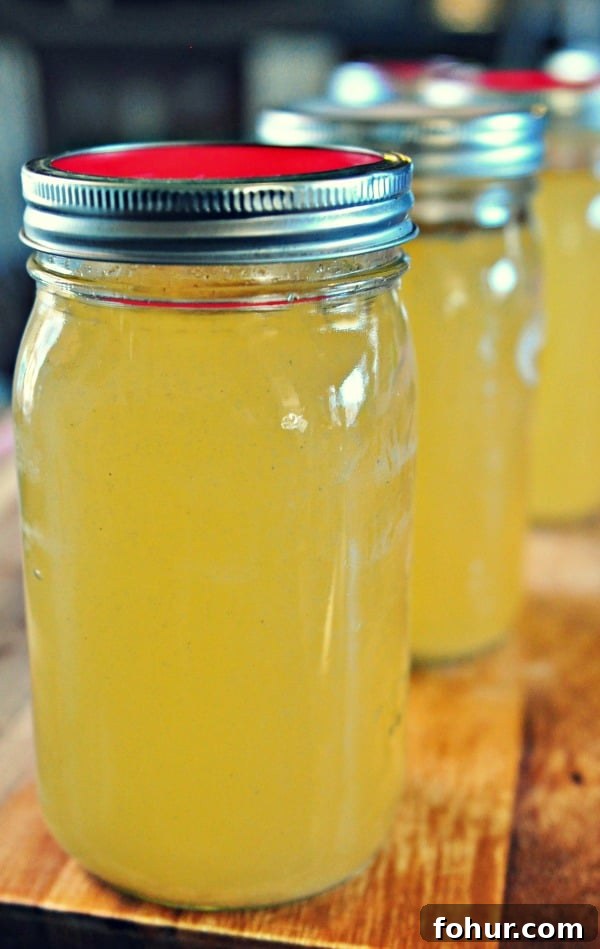
Simple Ingredients
- 4 lbs assorted chicken pieces or a carcass
- 16 cups cold water
- 3 stalks celery, leaves included
- 2 medium onions, quartered
- ½ head garlic, halved
- 10 whole black peppercorns
- 2 bay leaves
- 1 tablespoon salt (adjust to taste)
Instructions
- Combine chicken and water in a large stainless steel pot. Bring to a gentle boil over medium-high heat.
- Add celery, onions, garlic, peppercorns, bay leaves and salt. Reduce heat immediately and keep at a low simmer.
- Simmer gently for about 2 hours, or longer for a richer stock.
- Turn off the heat and allow the pot to settle; do not disturb the solids in the bottom.
- Ladle or pour the liquid into another container and strain through a cheesecloth-lined sieve.
- Cool until fat solidifies on top, then skim off fat. Store, freeze or preserve as desired.
Nutrition (Approximate Per Serving)
- Calories: 248 kcal
- Fat: 16 g (Saturated fat: 5 g)
- Cholesterol: 82 mg
- Sodium: varies; adjust added salt to control
- Protein: 21 g
Notes: Save carcasses and small scraps in freezer bags for future batches. Vegetable trimmings are perfect to collect and use. The skins of onions and garlic contribute color—wash them and add them to the pot.
A verse to share: “The King will reply, ‘I tell you the truth, whatever you did for one of the least of these brothers of mine, you did for me.'” ~ Matthew 25:40