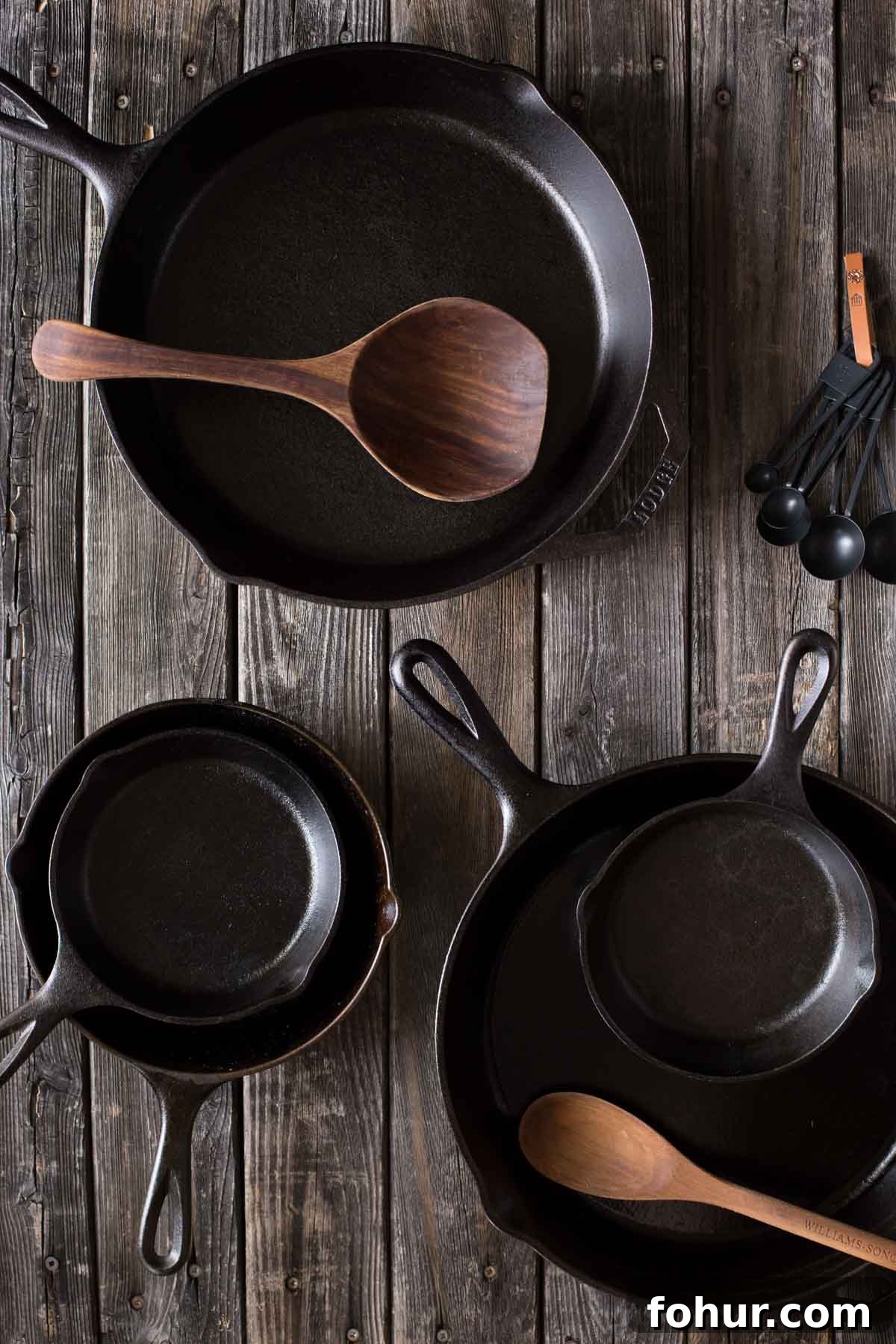
I recently had a question on Instagram about how I clean and care for my cast iron skillets. I’ve been using cast iron more and more over the past few years and have picked up plenty of practical tips. Below I share the reliable, simple routine I use for cleaning and maintaining cast iron, plus an honest look at the advantages and downsides and the sizes I find most useful.
How to Clean Cast Iron Skillets
- Rinse the skillet under hot water and use a kitchen sponge or a stiff nylon brush to remove food particles. In most cases soap isn’t necessary; avoid harsh abrasives like steel wool that can strip the pan’s seasoning.
- Thoroughly dry the pan with a clean towel immediately after washing. Cast iron rusts when it stays wet, so removing moisture is important.
- Apply a thin layer of neutral oil (canola, vegetable, or corn oil work well) to the entire cooking surface using a paper towel. Place the skillet on the stovetop over low heat for a couple of minutes to ensure it’s completely dry and to help the oil bond with the surface. This routine keeps the seasoning layer developing and improves the pan’s nonstick qualities over time.
Pros and Cons
Cast iron has a lot going for it: it’s affordable, nearly indestructible, and built to last. The way cast iron conducts and retains heat makes it ideal for even searing and for dishes that benefit from staying hot when served straight from the pan.
One of the best things about cast iron is its versatility. It moves easily from stovetop to oven, which reduces the need for extra pans and simplifies cleanup. As you use, clean, and oil the skillet, the seasoning improves, creating a naturally nonstick surface without the chemicals sometimes found in coated cookware.
On the other hand, cast iron has a few trade-offs. It’s heavy — lifting and handling larger skillets takes more effort — and the handles can become very hot, so an oven mitt or handle cover is essential. Another minor inconvenience is that many skillets don’t come with a fitted lid; using foil or a separate lid solves this, but it’s something to be aware of when you need to braise or cover food.
My Favorite Sizes
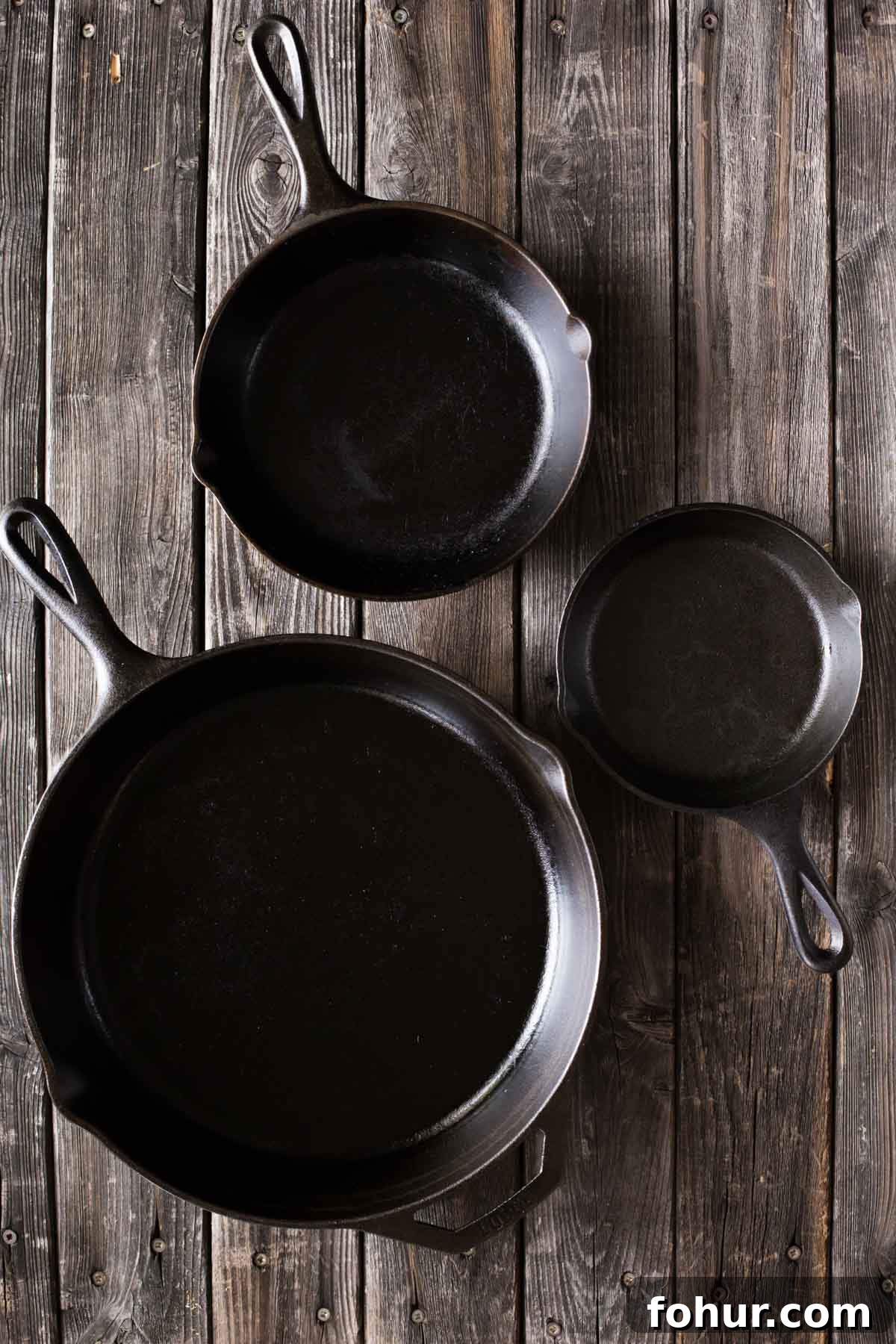
Choosing the right size depends on what you cook most often. Here are the sizes I reach for and why:
6.5-inch – Perfect for frying a single egg or cooking for one. Lightweight and easy to handle for everyday use.
8-inch – Great for grilled sandwiches or single-serving recipes. I use this for grilled cheese and breakfast skillets.
10-inch – A versatile mid-size that works well for two-person meals and many skillet recipes. It’s often the next size people add to their collection.
12.5-inch – Roomy enough for family-style dinners, quesadillas, pancakes, and skillet desserts. This size is my go-to for big one-pan meals.
Skillet Recipes I Love
Using a cast iron skillet opens up a wide range of recipes. Here are a few favorites I make regularly:
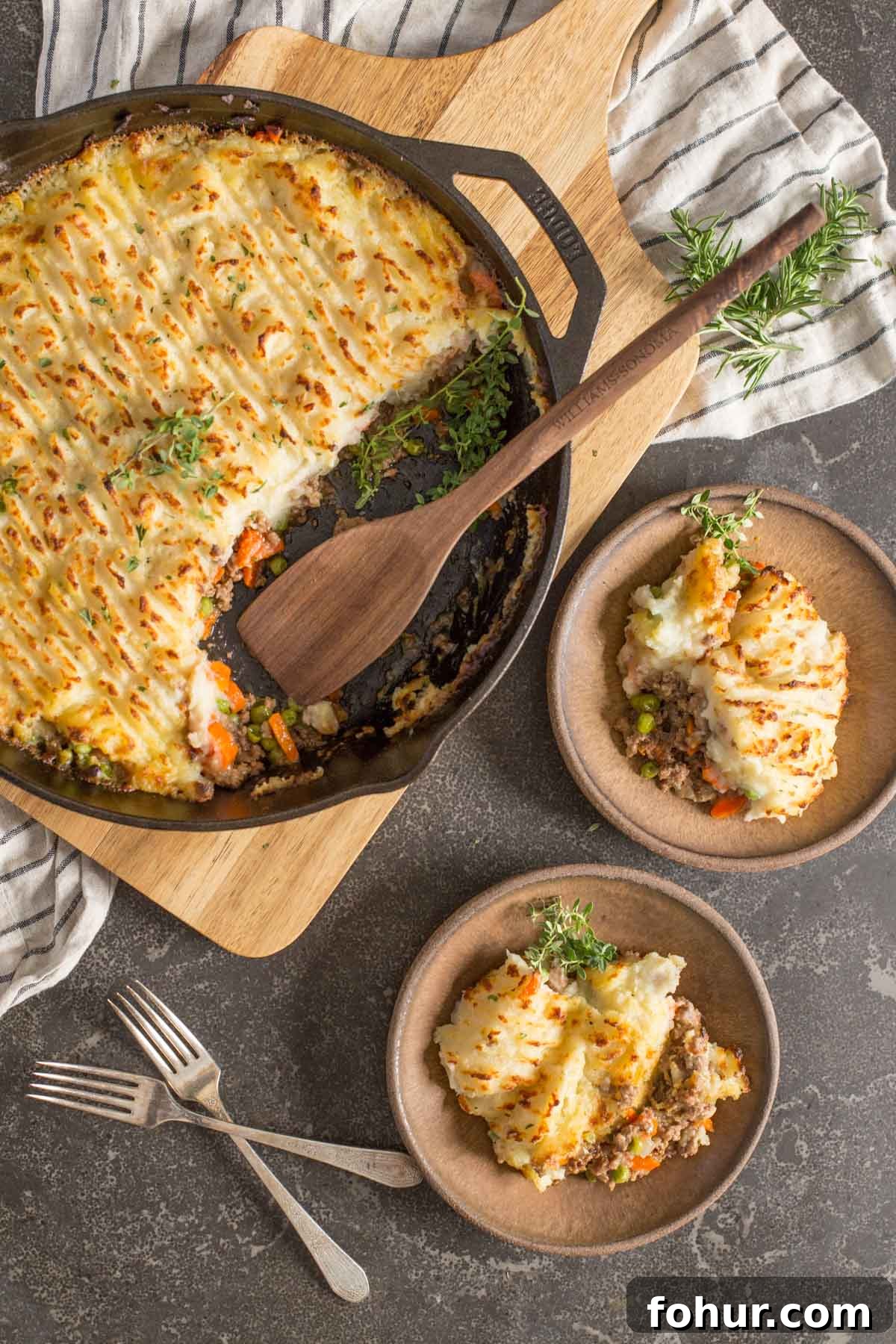
Easy Homemade Shepherd’s Pie
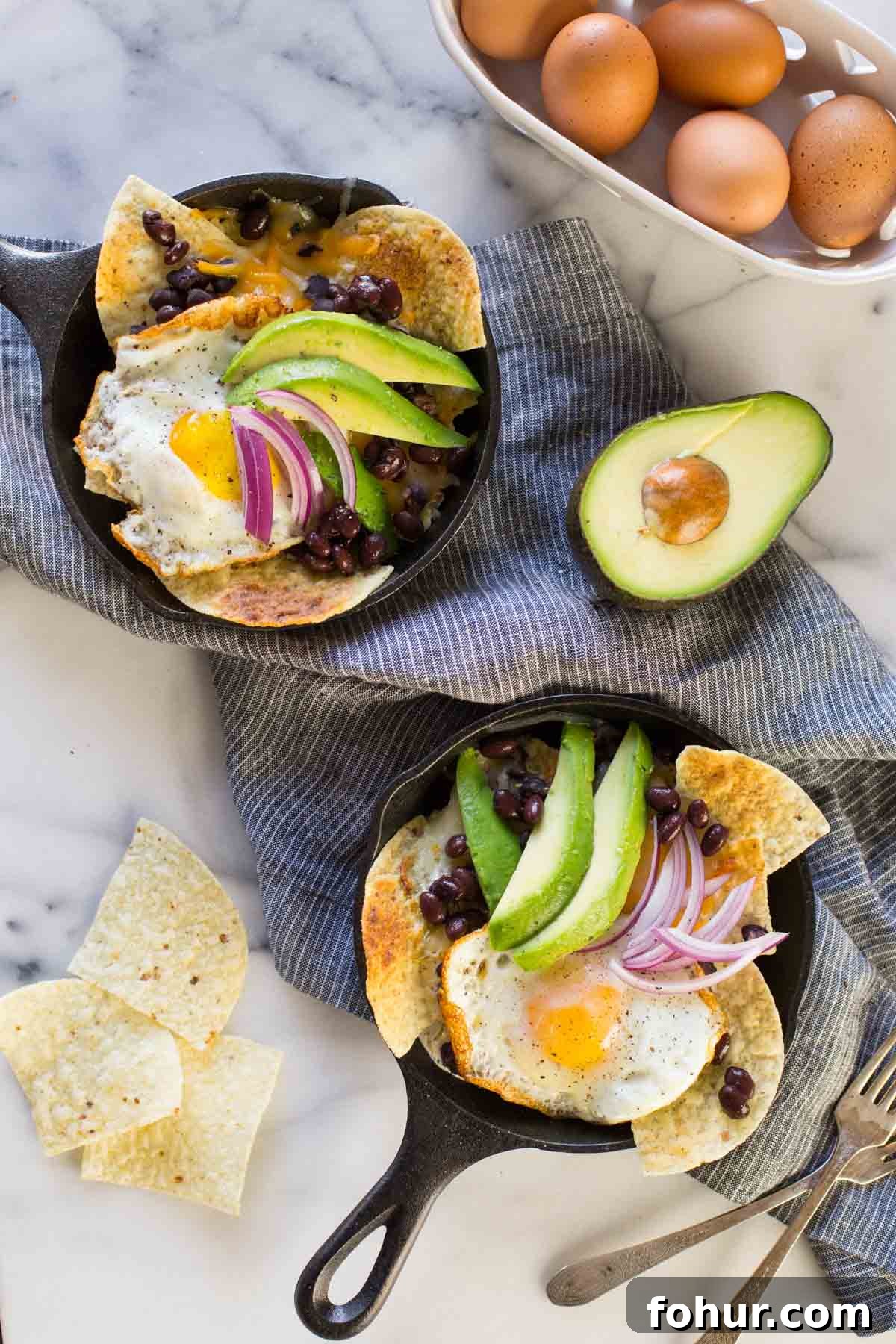
Breakfast Nacho Skillets
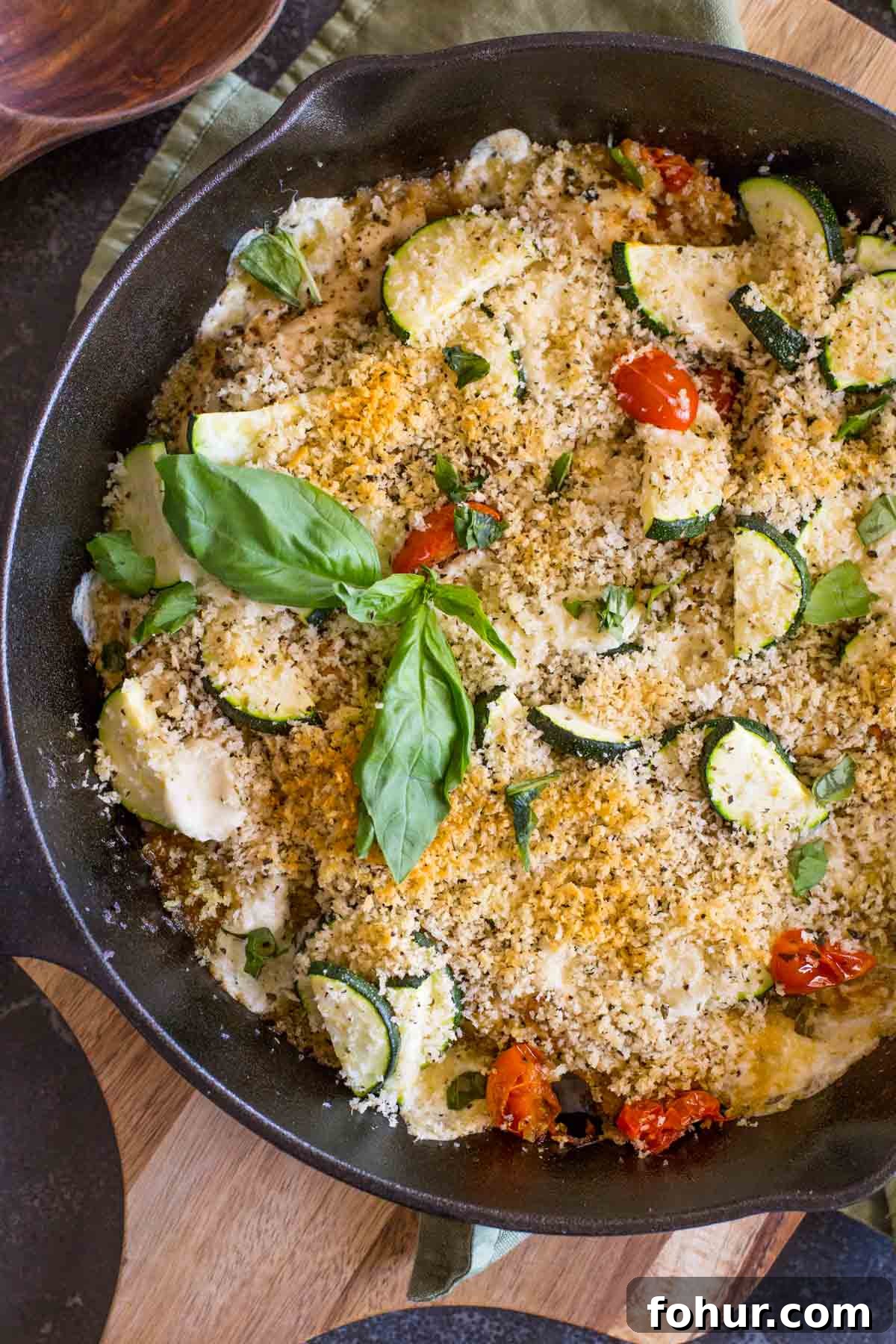
Pesto Chicken Skillet
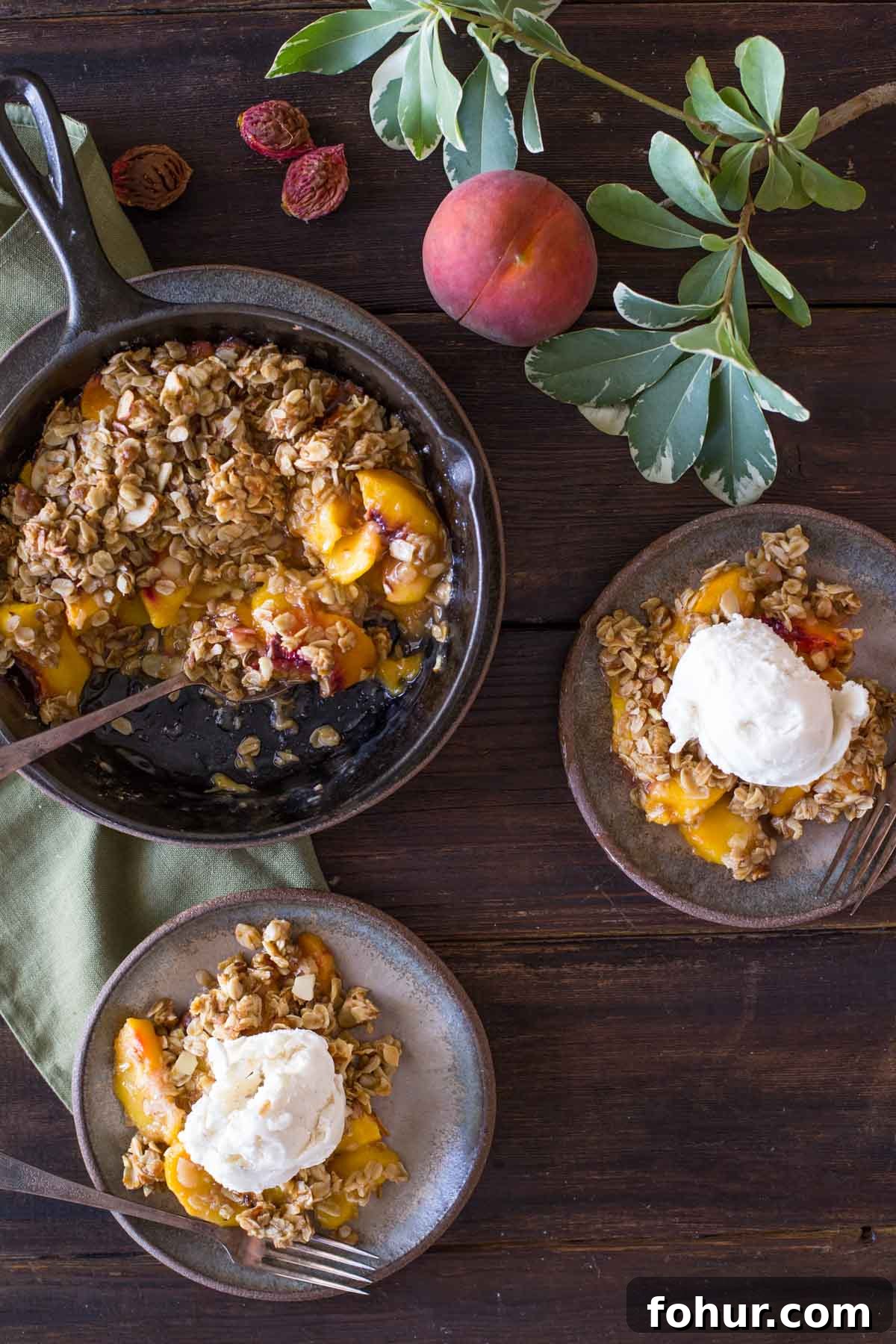
Easy Skillet Peach Crisp
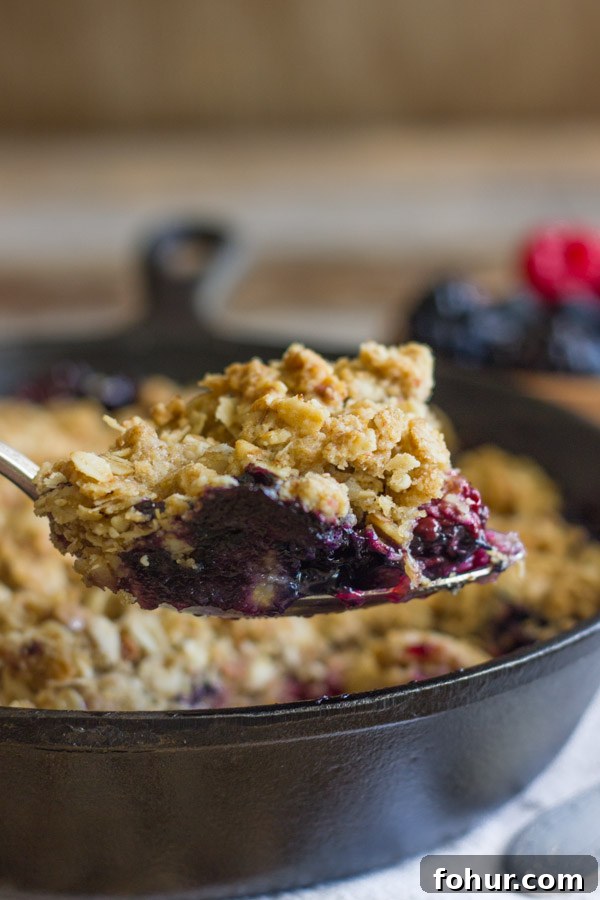
Triple Berry Skillet Crisp
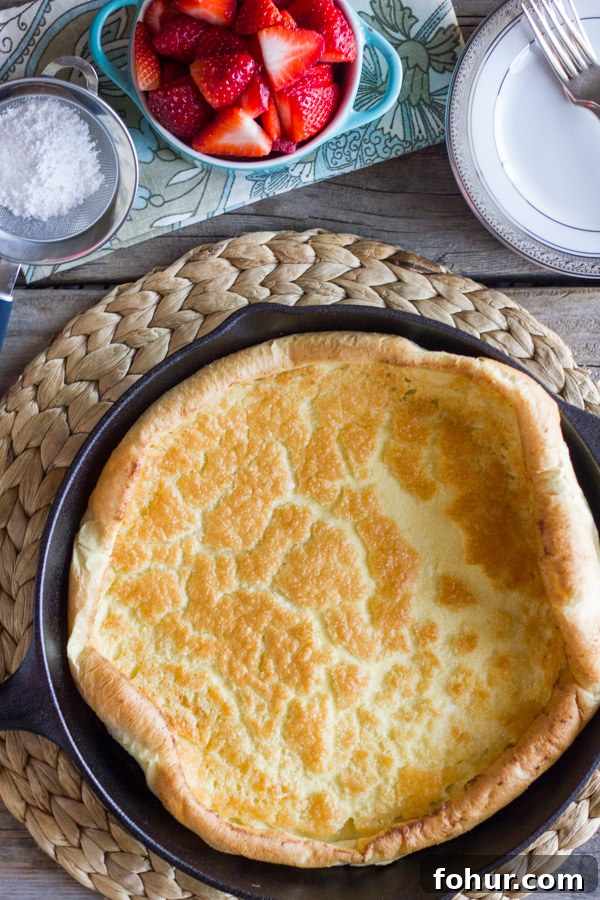
Dutch Baby Pancake
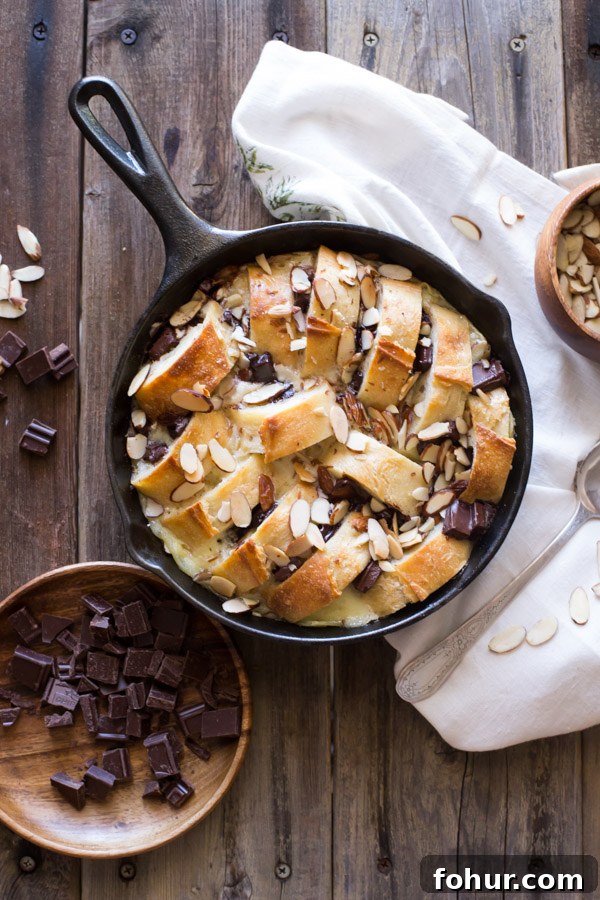
Chocolate Almond Bread Pudding
If you use cast iron, what do you love or dislike about it? Do you have any maintenance tips or cleaning tricks I haven’t mentioned? Share your experiences in the comments — there’s always more to learn about caring for these durable, versatile pans.