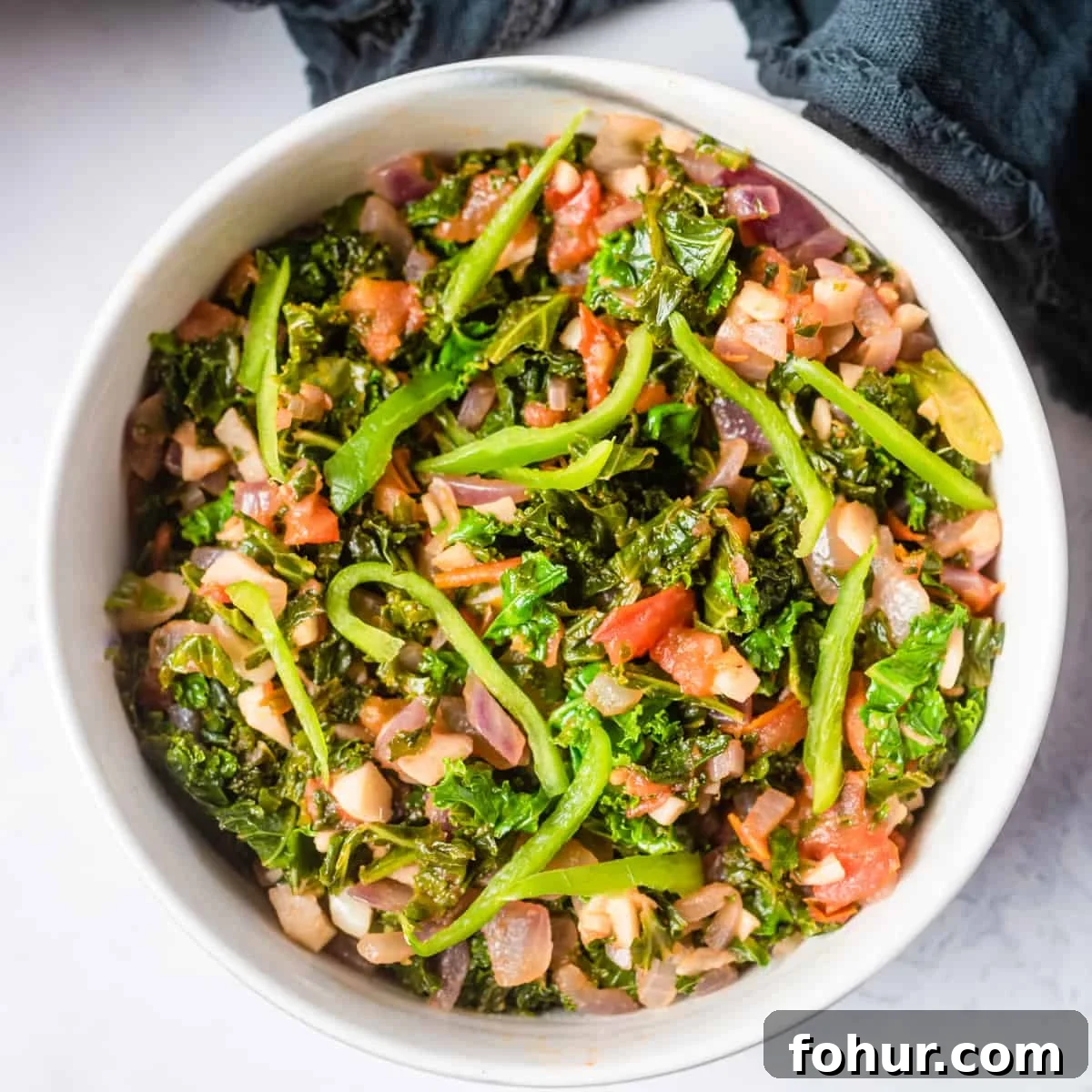
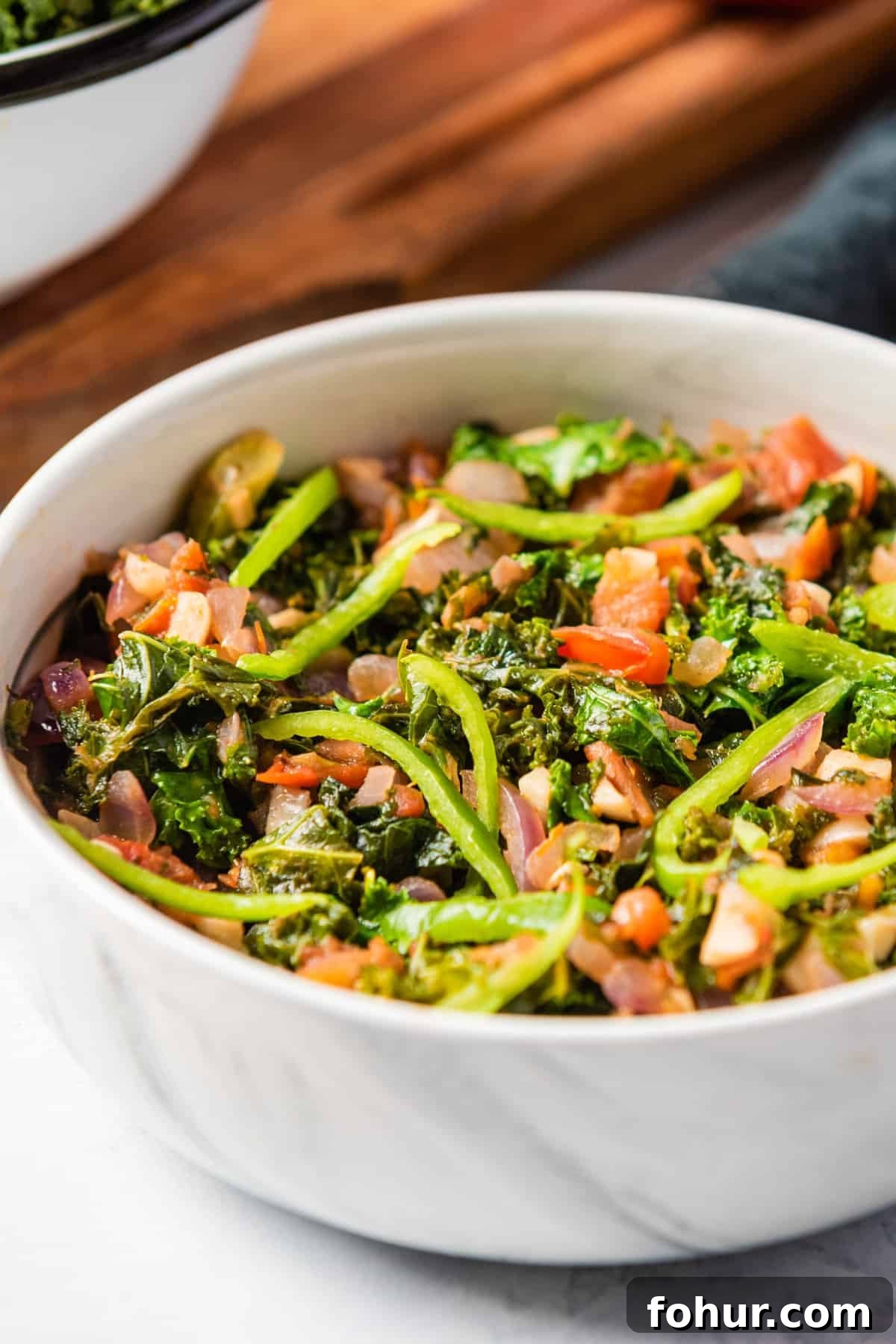
Gomen Wat—also called ye’abasha gomen or abesha gomen—is a classic Ethiopian dish of braised greens, most often made with collard greens or kale. I first tasted it in Addis Ababa and now make it at home regularly. Its charm is its simplicity: fresh greens cooked with garlic, onions and warm spices until tender and deeply flavorful.
This post contains helpful tips and tricks. If you’re in a rush, look for the recipe card below.
This Ethiopian side will change how you make greens!
Gomen Wat is a traditional Ethiopian stew of collard greens or other sturdy greens cooked with onions, garlic, tomatoes and warming spices. It’s served commonly as part of an Ethiopian spread and pairs especially well with injera, the sour spongy flatbread that complements the savory flavors.
Simple, nourishing and full of character, Gomen Wat can be made vegan, oil-free, or enriched with traditional spiced butter depending on your preference.
📋 Ingredients and notes
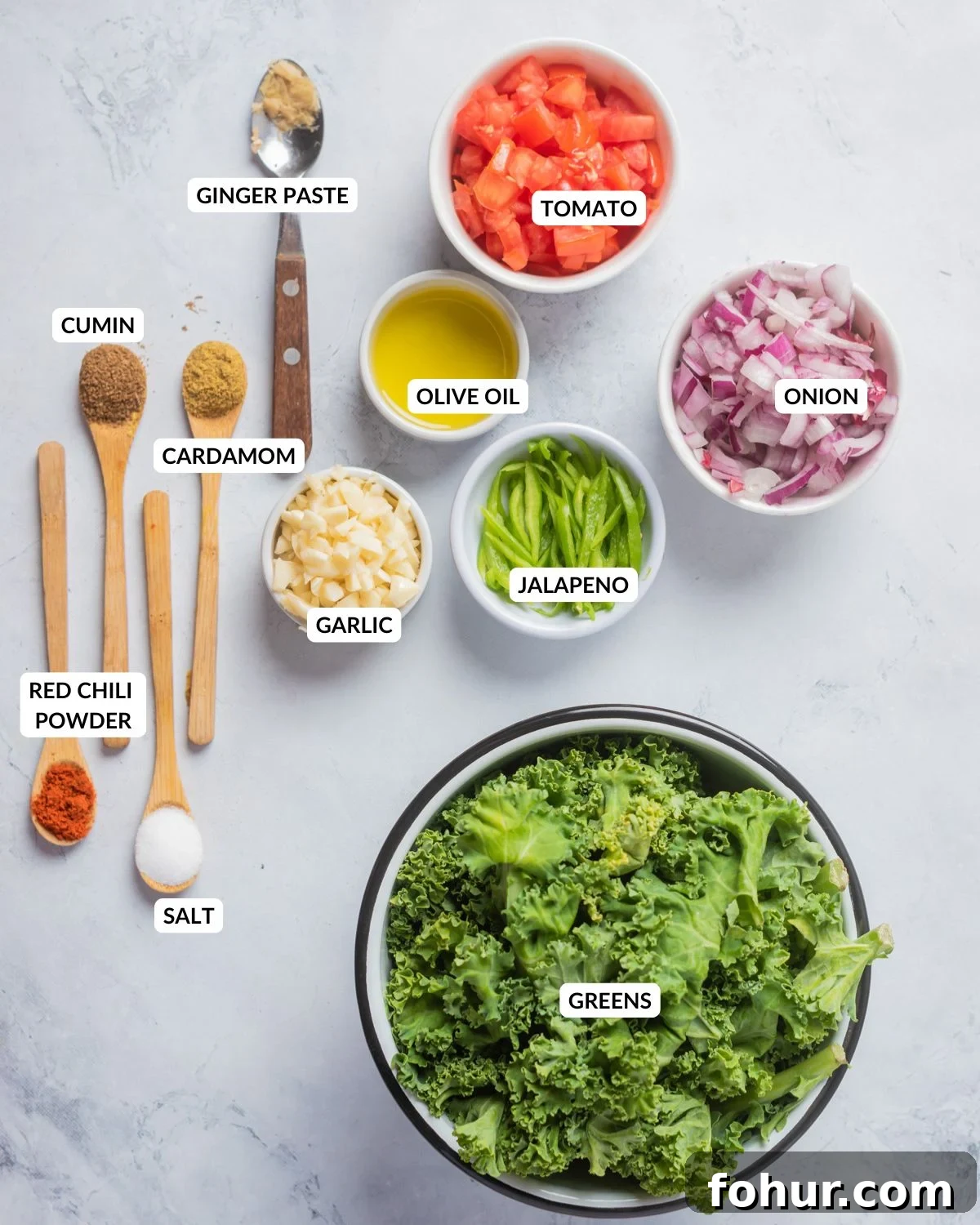
Key ingredients for a classic Gomen Wat include: avocado or vegetable oil (or a splash of broth for oil-free), red onion, tomatoes, garlic, ginger paste, cumin, cardamom, red chili powder (or mitmita if available), collard greens or kale, salt, and jalapeño for a little heat. Fresh lemon juice and chopped basil make optional finishing touches.
Notes and variations
Below are common swaps and variations to adapt this recipe to what you have on hand or to change the texture and flavor.
- Green swaps: Kale or spinach can replace collards. Kale gives a heartier texture while spinach cooks very quickly and yields a milder result.
- Make it a main: Add diced potatoes, carrots or chickpeas to make the dish more substantial. Stir in cooked quinoa or couscous at the end for added protein and heft.
- Onion alternatives: Leeks or shallots are milder than red onion and can be used for a sweeter base.
- Cardamom substitutes: If you don’t have cardamom, a tiny pinch of nutmeg or a blend of mild warm spices can work in a pinch, but cardamom is traditional.
- Oil-free option: Sauté the aromatics in a splash of vegetable broth and use additional broth instead of oil to finish the dish—this preserves flavor while reducing fat.
Experiment with Ethiopian spice blends and fats
- Mitmita: A traditional Ethiopian heat blend (bird’s eye chilies with spices). Use sparingly to add depth and heat.
- Kochkocha: A spicy green pepper sauce made from green chiles and spices; add at the end if you want a fresh punch of heat.
- Niter kibbeh: A spiced clarified butter used in Ethiopian cooking; substituting it for oil (if you eat dairy) gives a rich, aromatic finish.
📖 How to make authentic Gomen Wat
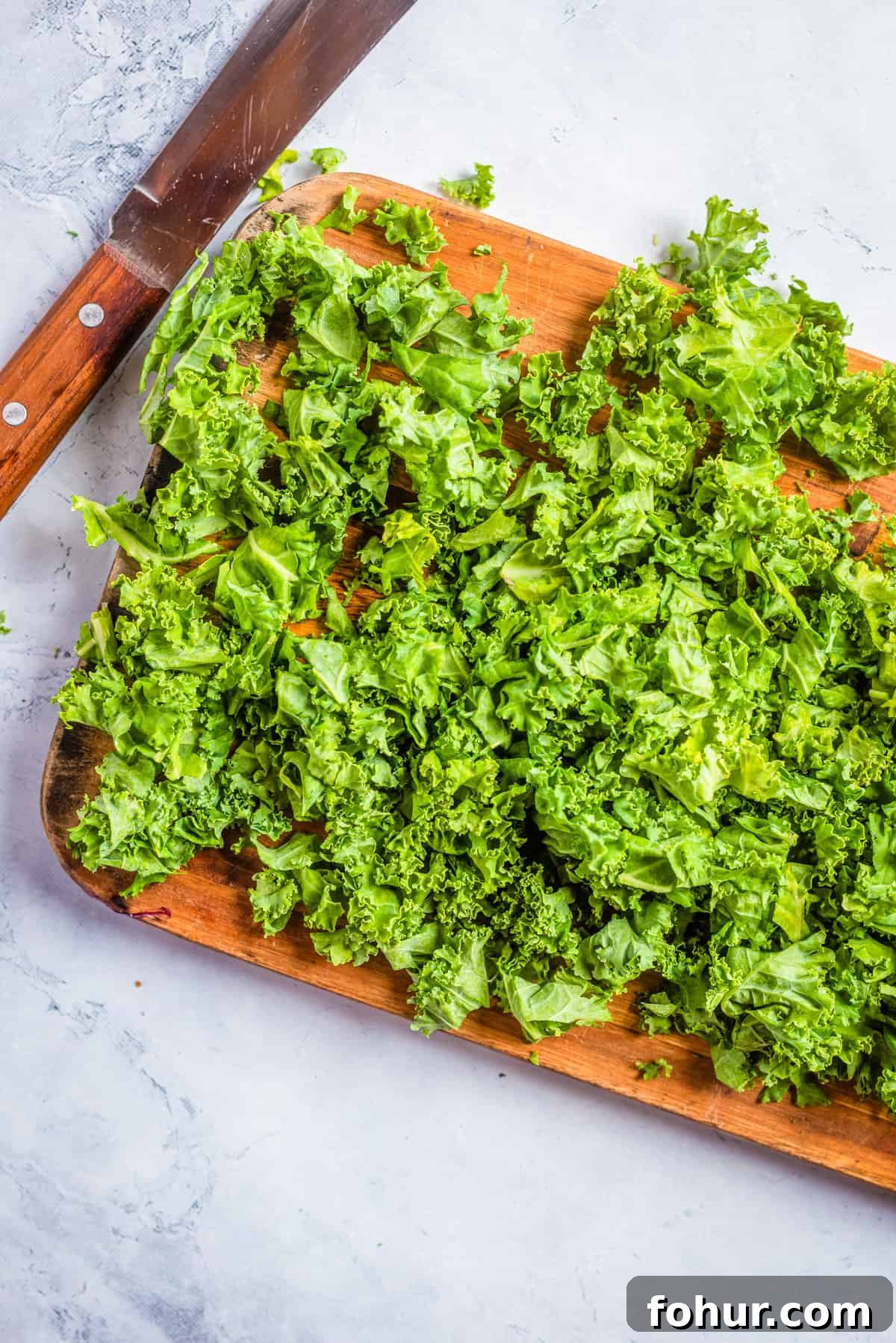
Start by washing the greens thoroughly and chopping them finely. A food processor can speed this up, or chop by hand for more texture. A salad spinner is handy to remove excess water after rinsing.
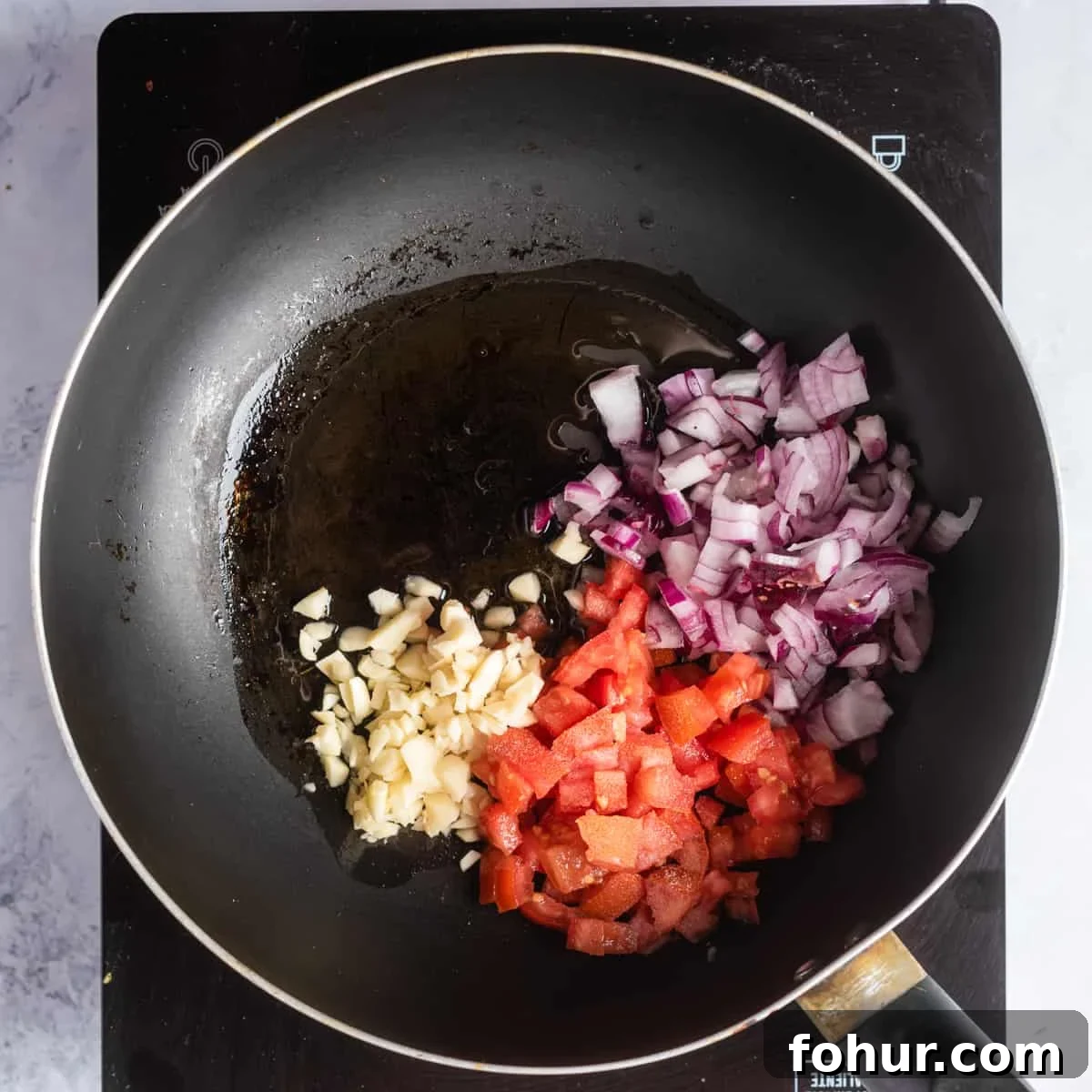
Heat one tablespoon of oil in a large skillet over medium heat. Add diced red onion, finely chopped tomatoes, minced garlic and a pinch of salt. Sauté until the vegetables are soft, about 5–7 minutes. Stir in the ginger paste and lower the heat so nothing browns too quickly.
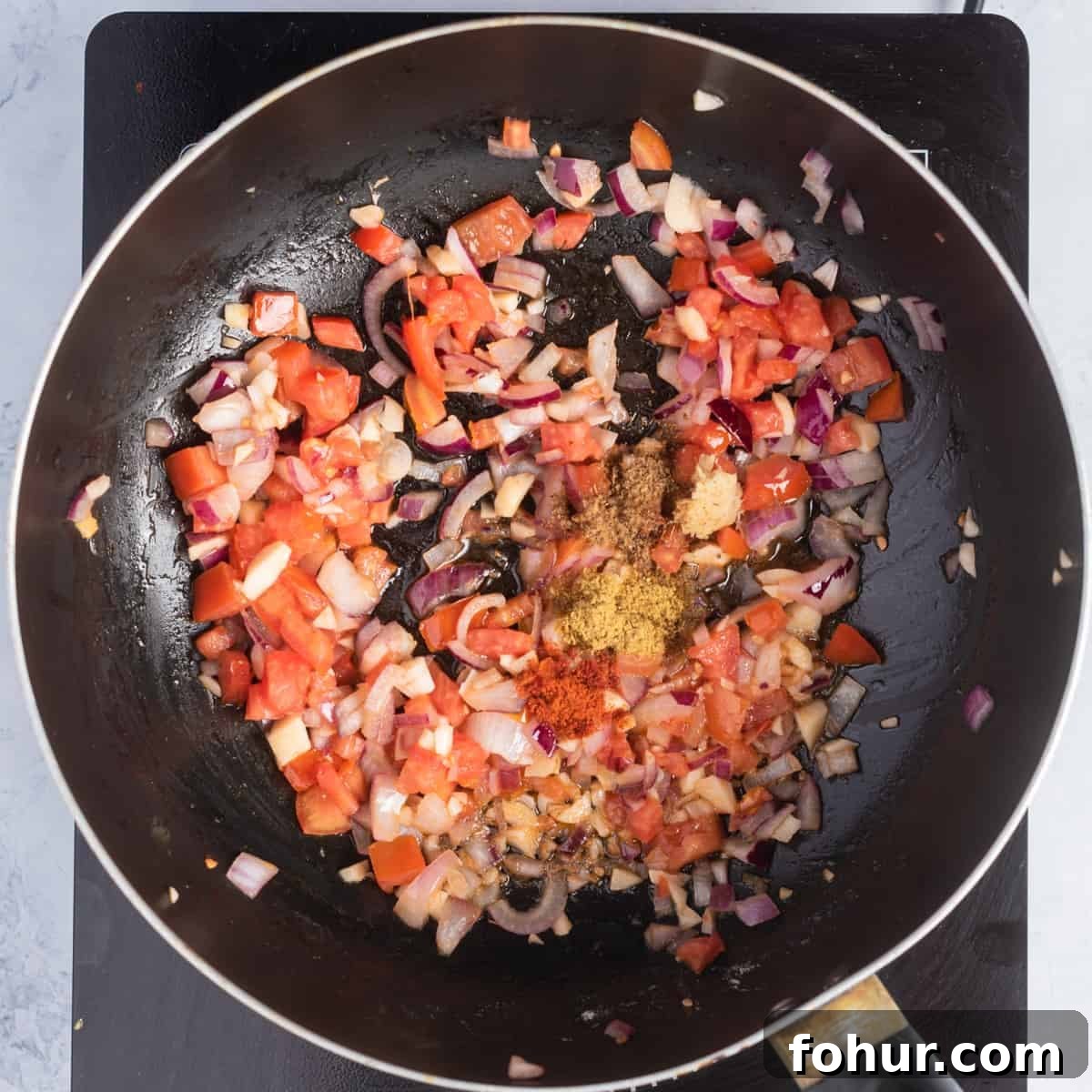
Add cumin, cardamom and red chili powder with about 1/4 cup water and let it simmer briefly to blend the flavors. If using mitmita, add a teaspoon with the water but avoid prolonged cooking to prevent bitterness.
Add the chopped greens in batches, stirring to combine with the spice mixture. Turn heat up to medium-high, cover and cook for 15–20 minutes, checking every 5 minutes and stirring to prevent sticking. Softer greens like spinach will finish sooner—check after 10 minutes.
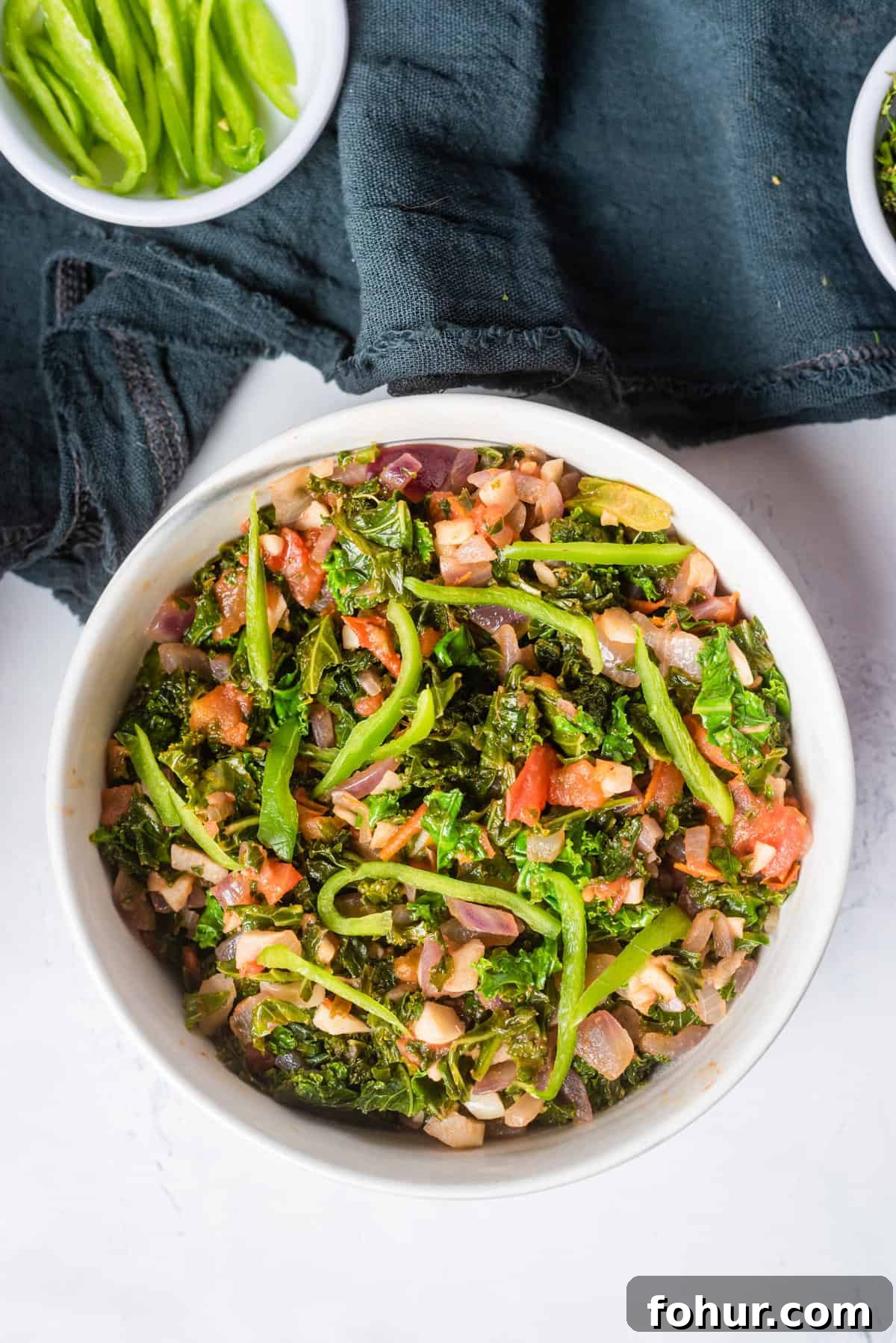
Season with salt to taste and add sliced jalapeños. Cover and cook a further 4–5 minutes until the jalapeños lose their raw bite. Finish with a squeeze of lemon and optional chopped basil. Serve hot.
👩🏽🍳 Top tips to make the best Gomen Wat
- Use a large skillet: You need space to add and stir a lot of greens at once so they cook evenly.
- Oil-free method: Start with vegetable broth for sautéing and use more broth instead of oil to finish.
- Choose fresh greens: Avoid wilted leaves; if using frozen greens, thaw and rinse them well.
- Prep thoroughly: Remove tough stems and rinse to remove dirt—using a salad spinner helps.
- Be generous with spices: The herbs and spices are the backbone of the dish—taste and adjust as you go.
- Stir frequently: Prevent sticking and add a splash of water or broth if the pan dries out.
👩🏽🍳 Troubleshooting & FAQs
Gomen Wat is a savory Ethiopian stew of greens—typically collards or kale—cooked with onions, garlic and warm spices. It’s commonly served as part of a larger Ethiopian meal and is naturally vegan when made without spiced butter.
Yes. Many cooks steam frozen greens in the Instant Pot on the steam setting for a few minutes, then finish in sauté mode with the aromatics and spices. Short steaming helps wilt the greens quickly before combining with the sautéed base.
🍴 Serving and storage suggestions
Gomen Wat is traditionally served with injera, but it’s also excellent alongside rice, flatbreads or grain bowls. Store leftovers in an airtight container in the refrigerator for up to three days, or freeze for up to two months. Thaw in the fridge before reheating and bring to room temperature for best texture.
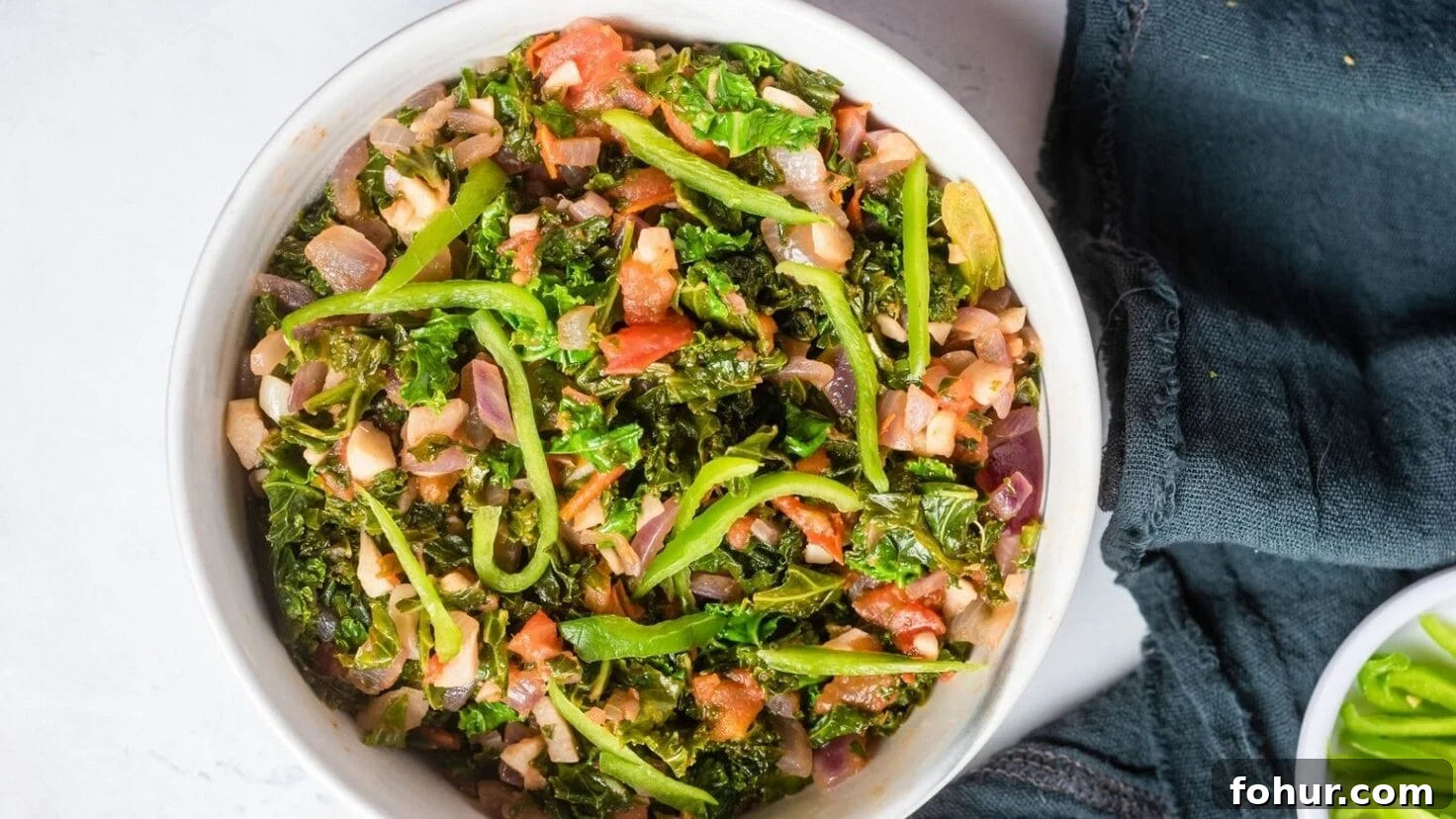
If you tried this recipe, please leave a comment and rate your experience.
Recipe: Gomen Wat (Ethiopian Collard Greens)
Servings:
6 servings
Ingredients
- 4 tablespoons avocado oil, divided (or use vegetable broth for oil-free)
- 1 red onion, diced
- 2 tomatoes, finely diced (or substitute tomato paste)
- 6 cloves garlic, minced (adjust to taste)
- 1 teaspoon salt, or to taste
- 1 teaspoon ginger paste
- 1 teaspoon cumin powder
- 1/2 teaspoon cardamom powder
- 1/2 teaspoon red chili powder (or mitmita to taste)
- 2 lbs collard greens or kale, chopped
- 1 jalapeño, julienned (optional)
- 1 tablespoon chopped basil, for garnish (optional)
Instructions
- Wash and finely chop the greens. Remove tough stems.
- Heat 1 tablespoon oil in a large skillet over medium heat. Sauté onion, tomatoes, garlic and a pinch of salt until soft, about 5–7 minutes.
- Add ginger paste and reduce heat to avoid burning.
- Add cumin, cardamom and red chili powder with 1/4 cup water. Simmer briefly to combine. If using mitmita, add carefully and avoid long cooking to prevent bitterness.
- Add chopped greens in batches, stirring to mix with the spice base. Increase heat to medium-high, cover and cook 15–20 minutes, checking and stirring frequently.
- Season with salt, stir in jalapeño, cover and cook another 4–5 minutes. Finish with lemon juice and basil if desired. Serve hot.
Notes
- Use a large skillet to allow even cooking when adding a lot of greens.
- To go oil-free, sauté in vegetable broth and use more broth in place of oil.
- Garlic amount is flexible; 4–6 cloves yields a robust flavor.
- Mitmita is a traditional spice blend; kochkocha is a green pepper sauce used in some regions for extra heat.
Nutrition (approx.)
Per serving: Calories 158; Carbohydrates 11 g; Protein 5 g; Fat 12 g; Fiber 7 g; Vitamin A and C high.