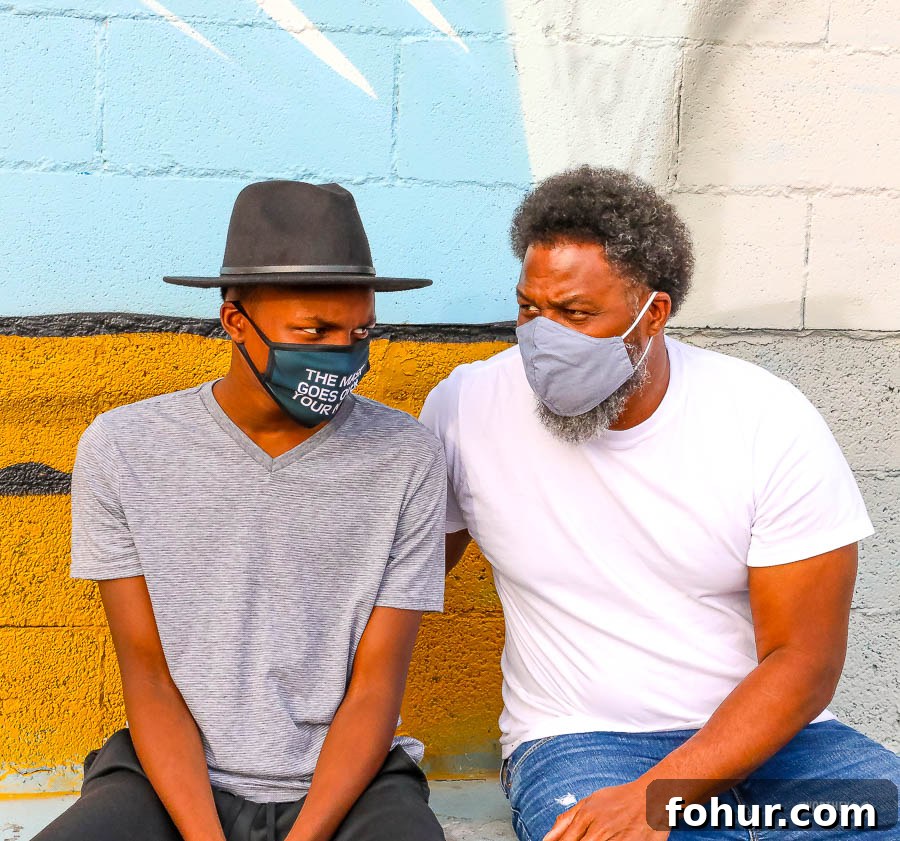
We’re still living through a pandemic, and every one of us has a role to play in slowing the spread of COVID-19. I’m sharing my personal experience and practical tips on how you can help. This post is sponsored by The Michigan Department of Health and Human Services.
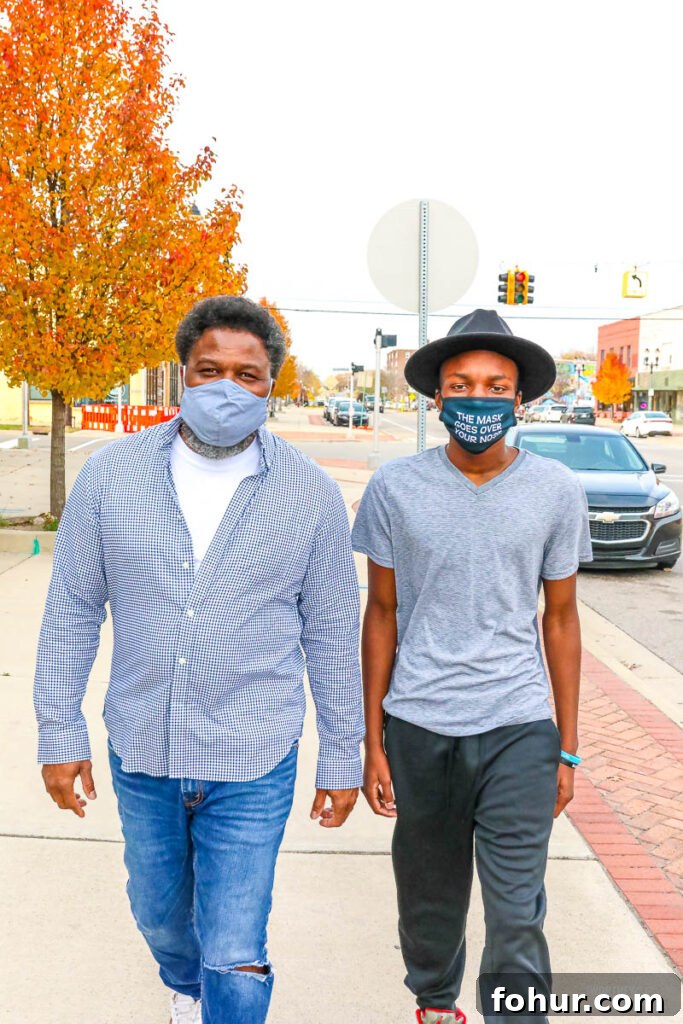
How to Help Stop the Spread of COVID
As the year moves on, the pandemic remains part of our lives. It can be easy to become weary of precautions, but working together and following proven steps reduces risk for everyone. Below I share what happened when COVID touched my family and practical actions you can take to protect yourself and others.
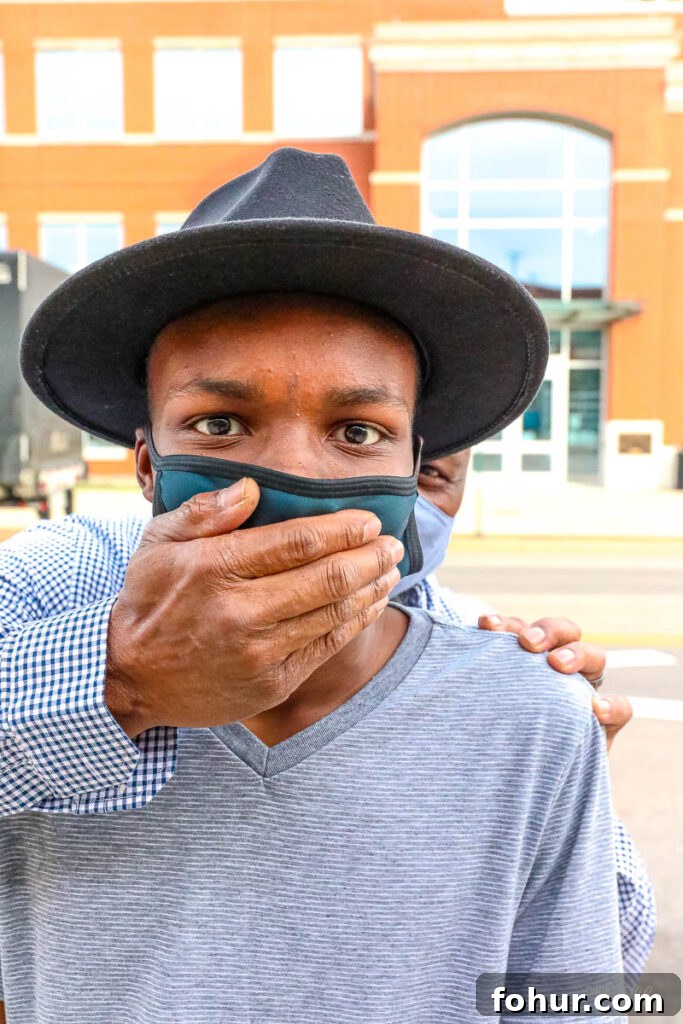
When it hit close to home
A few weeks ago, a close family member texted to say they had been exposed to COVID-19. I had recently spent time with them and their partner outdoors. A few days after our visit, they developed common COVID symptoms: headache, fever, body aches, runny nose, and loss of taste. Their partner tested positive and they were waiting on their own result.

My immediate reaction was shock and anxiety. Even when you try to be careful, exposure can still happen—through coughing, sneezing, talking, or contact with contaminated surfaces. Importantly, many people who test positive have few or no symptoms. My spouse and I decided to get tested the next day. We found testing information on Visit Michigan.gov/CoronavirusTest and scheduled a test. Within 48 hours our results were negative, which was a huge relief.
Why COVID fatigue matters
COVID fatigue is real. After months of restrictions and precautions, it’s understandable to feel worn down. Still, the core public health recommendations remain effective: wear a mask, keep physical distance from others, and practice good hygiene. These actions together lower transmission in communities.

Practical steps to help stop the spread
The virus has caused significant loss and disruption; taking straightforward precautions protects you and the people around you. Here are practical, easy-to-follow steps:
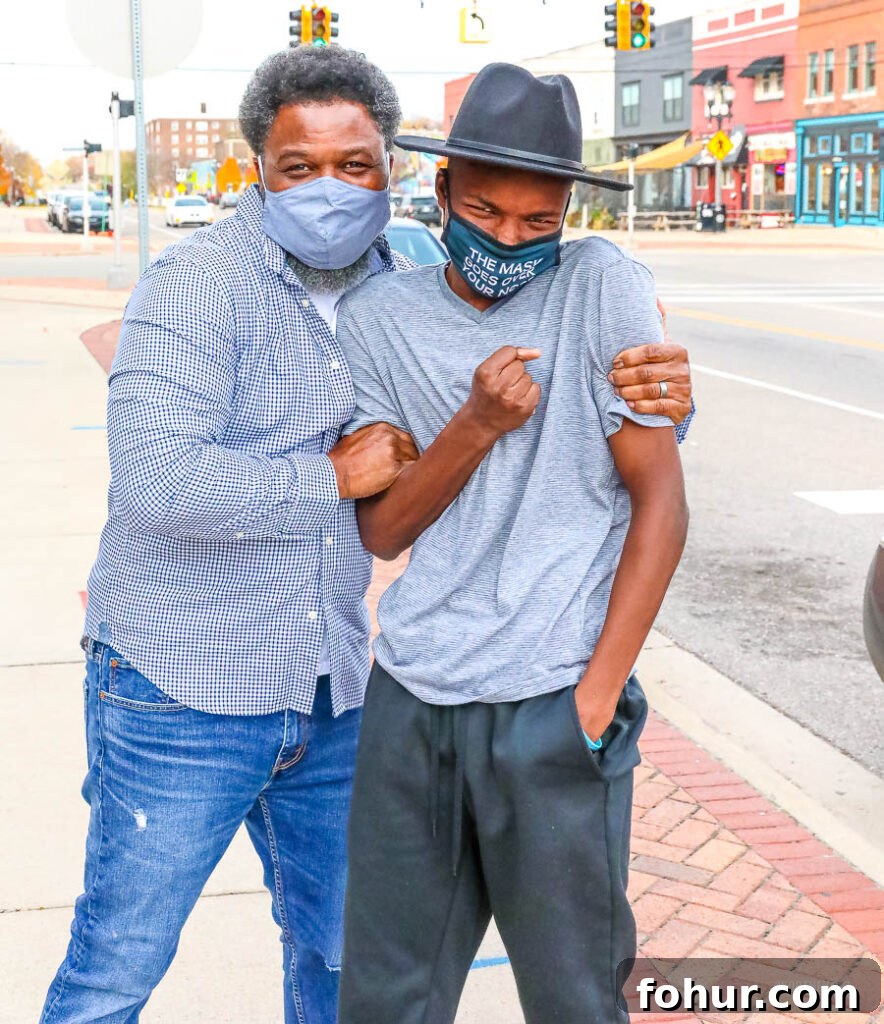
Avoid large gatherings. Crowded indoor events increase the chance of exposure and onward spread. If you want to see family or friends, consider virtual visits or small outdoor meetings with distance and masks. When you must be in a crowd, wear a mask and keep space between you and others.

Wash your hands frequently with soap and water for at least 20 seconds. Use hand sanitizer with at least 60% alcohol when handwashing isn’t available. Keep sanitizer in your car, by the door, and in your bag so it’s always accessible.
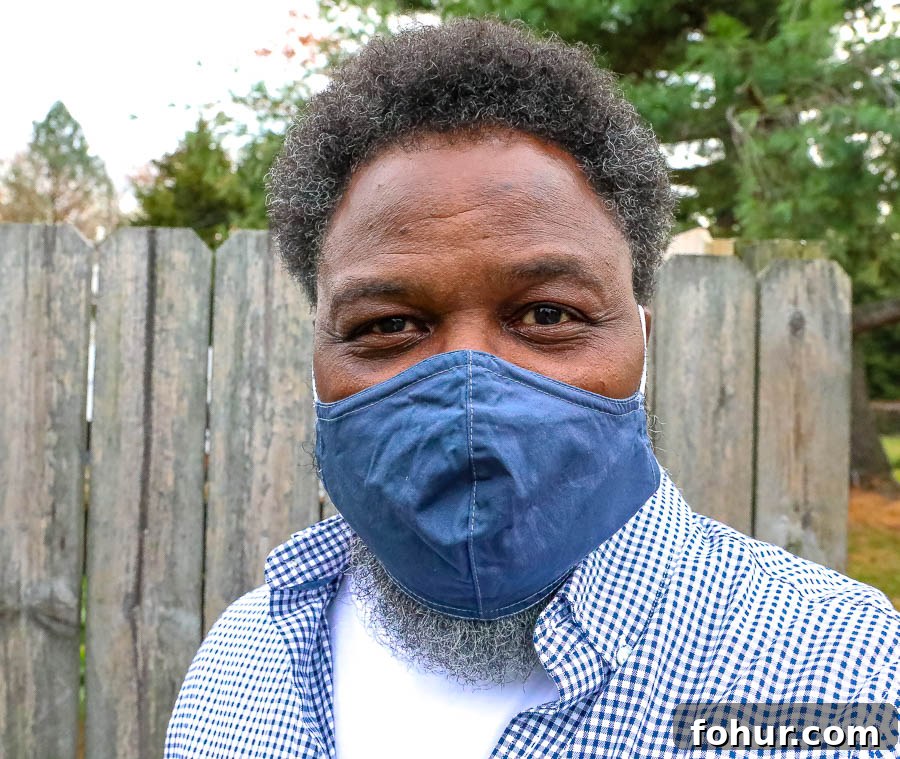
Wear a mask that covers both your nose and mouth. Masks reduce the chance of spreading respiratory droplets to others and also help protect you. Not all masks offer the same level of protection—multi-layer cloth masks or masks with filters provide added protection. Make sure your mask fits snugly without gaps.
Get tested if you feel unwell or if you believe you’ve been exposed. Symptoms can be similar to allergies, a cold, or other common illnesses, so testing is the only way to know. Testing helps you take timely steps to isolate and avoid passing the virus to others.
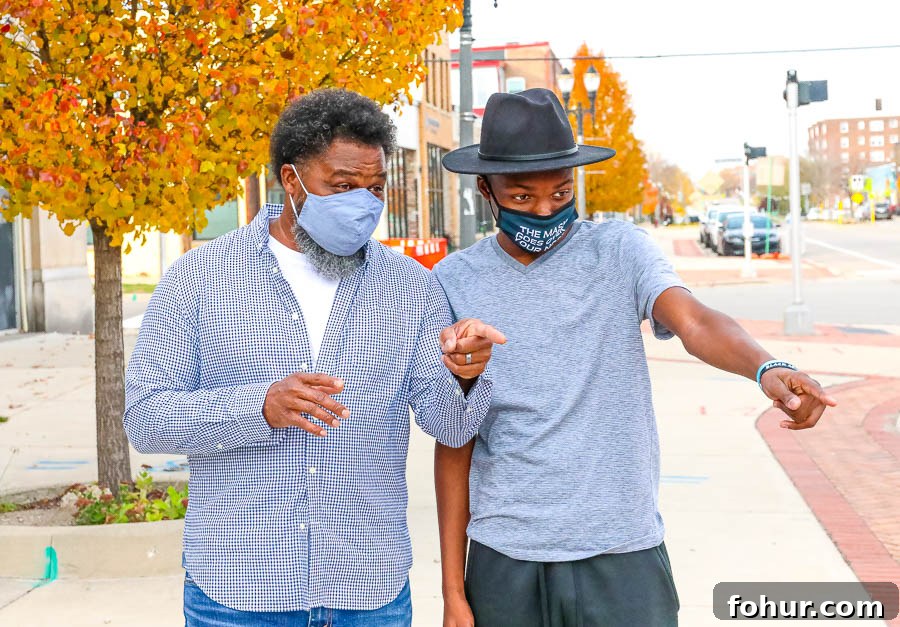
Avoid travel to areas with high infection rates when possible. Traveling to hotspot regions increases your risk of exposure and can spread the virus to new communities. If you must travel, follow local guidance and take precautions.
If you test positive, follow public health guidance and isolate to protect your household and community. Notify close contacts so they can monitor symptoms and get tested if needed. In our case, we quarantined until our results were confirmed negative even though we had no symptoms—being cautious helped protect others.

Where to find testing and help
For help finding a test in Michigan, call the Hotline at 888-535-6136, Monday through Friday, 8 a.m. to 5 p.m., and press 1 to reach an operator who can help locate testing and schedule an appointment. You can also visit: Visit Michigan.gov/CoronavirusTest to locate testing sites and schedule appointments. Many testing locations offer tests at no cost.

“This virus has devastated families, but a united Michigan will recover.” Taking basic precautions — masking, distancing, testing when needed, and staying informed — helps protect our communities and moves us closer to safer days.
More resources:
How Michigan Can Help Spread Hope, Not COVID
DIY No Sew Face Mask
How To Make A DIY Face Mask With Items Around Your House