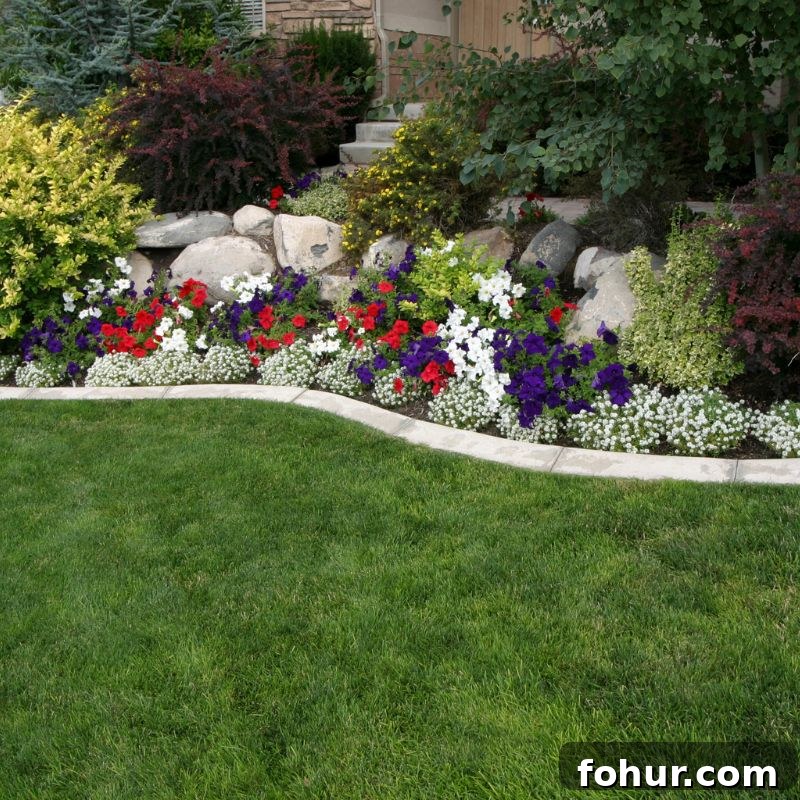
Landscaping does more than enhance curb appeal; it creates opportunities for families to bond, learn, and enjoy the outdoors together. Whether you have a compact garden or a spacious backyard, a family landscaping project can be both rewarding and educational. This article walks you through practical steps—from dreaming and designing to planting and long-term care—and explains how simple landscape management systems can help keep your yard healthy and beautiful.

1. The Planning Phase: Dream Together
Start by gathering the family to imagine what the outdoor space could become. Talk about goals: a quiet seating area, a safe play zone for children, low-maintenance planting beds, or a vibrant pollinator garden. Encourage each person to share ideas so everyone feels invested. This open conversation helps shape a shared vision while revealing practical preferences and creative possibilities.
2. Designing as a Team
Turn your ideas into a working plan by sketching the layout together. Use graph paper or simple drawing apps to map sunlight patterns, existing trees, slopes, and access points. Consider practical elements such as a patio, walkways, or a fire pit and where they will work best. Test different arrangements until the family settles on a layout that balances beauty, function, and safety.
3. Learning Together: Landscaping Basics
Use the project as a chance to learn the basics of planting, soil care, and water management. Research what plants thrive in your local climate, soil type, and light conditions. Visit local nurseries or community gardens for inspiration and plant selection. Understanding soil preparation, mulching, irrigation, and basic pest control will ensure better long-term results and teach valuable life skills to younger family members.
4. Hands-On Planting
Planting is a memorable, hands-on activity that brings the plan to life. Break tasks into age-appropriate roles—digging holes, sowing seeds, placing transplants, and spreading mulch. Working together strengthens teamwork and responsibility while allowing children to take pride in tangible results. Celebrate small milestones like the first seedlings emerging or a bed finishing its first bloom.
5. Landscape Management Systems: Your Maintenance Partner
Landscape management systems, whether simple apps or more advanced tools, make routine care easier and more consistent. These systems can help schedule irrigation, remind you when to fertilize or prune, and track plant health. With family access on phones or tablets, everyone can share responsibility for watering, weeding, and seasonal tasks. Using a system reduces guesswork and helps preserve the investment of time and effort you put into the landscape.
6. Regular Maintenance: A Family Chore
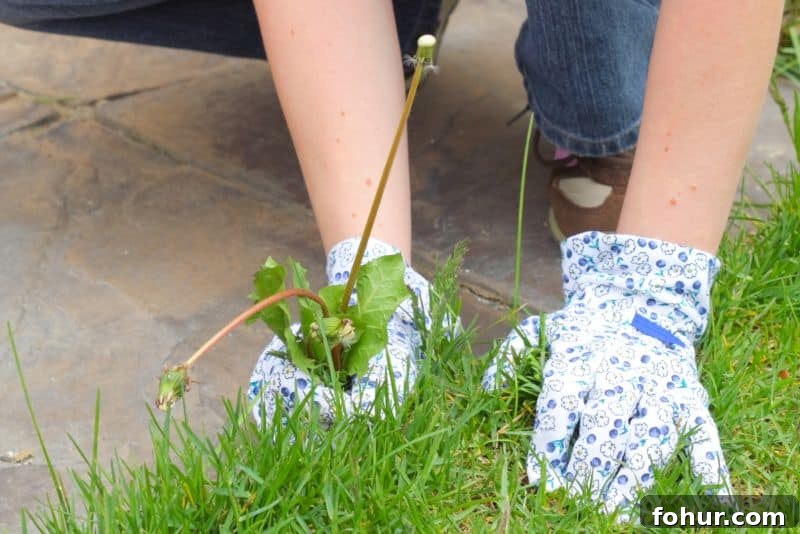
Maintenance keeps a landscape healthy and attractive. Establish a simple schedule for tasks like weeding, pruning, mowing, and fertilizing, and assign roles so every family member contributes. Teach children how routine care supports plant health and environmental stewardship. Regular, shared effort prevents small problems from becoming big ones and reinforces commitment to the space.
7. Experiment and Evolve
Landscaping is an ongoing process, not a one-time event. Encourage experimentation with new plants, seasonal displays, or small structural changes as your family’s tastes and needs evolve. Test compact perennial beds, container gardens, or a new herb corner. Incremental changes let you learn what works best for your yard while keeping the landscape fresh and engaging.
8. Celebrate Achievements Together
Recognize and celebrate milestones—completed beds, a thriving vegetable patch, or a successful family planting day. Hosting a small garden gathering or simply enjoying a meal outdoors highlights the shared effort and builds family pride. Celebrations reinforce the positive experience of working together and motivate continued care and creativity.
Working on a landscaping project as a family creates lasting memories, builds skills, and improves your home’s appearance. By planning together, learning the fundamentals, sharing planting and maintenance tasks, and using simple management tools to stay organized, you can create a sustainable, beautiful outdoor living space that grows with your family. Gather your tools, involve everyone, and start shaping an outdoor area that reflects your collective vision and values.