Kirstenbosch National Botanical Garden: A Walk by Table Mountain
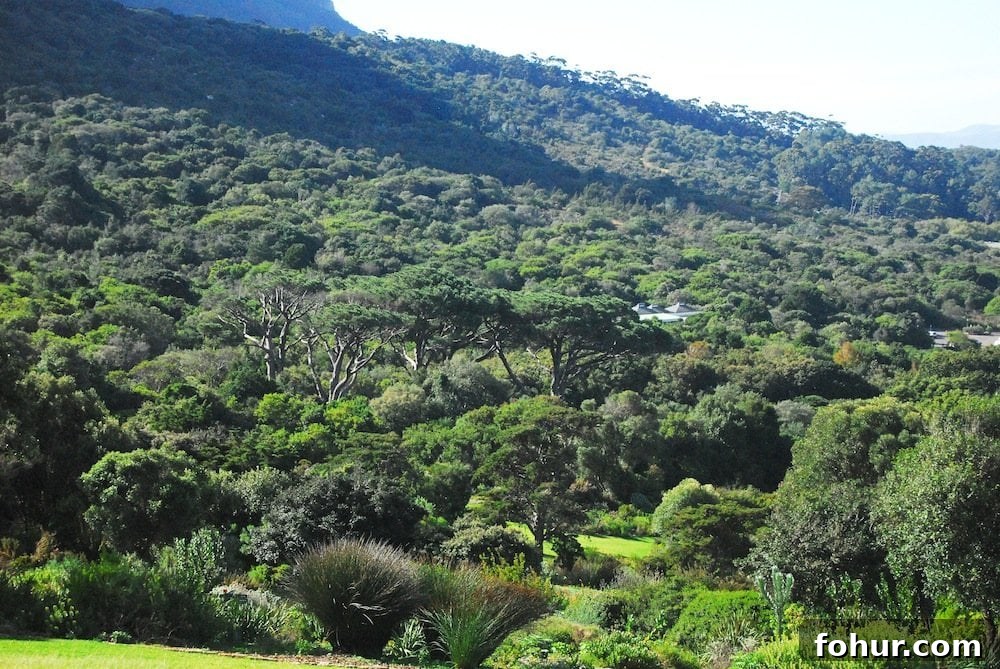
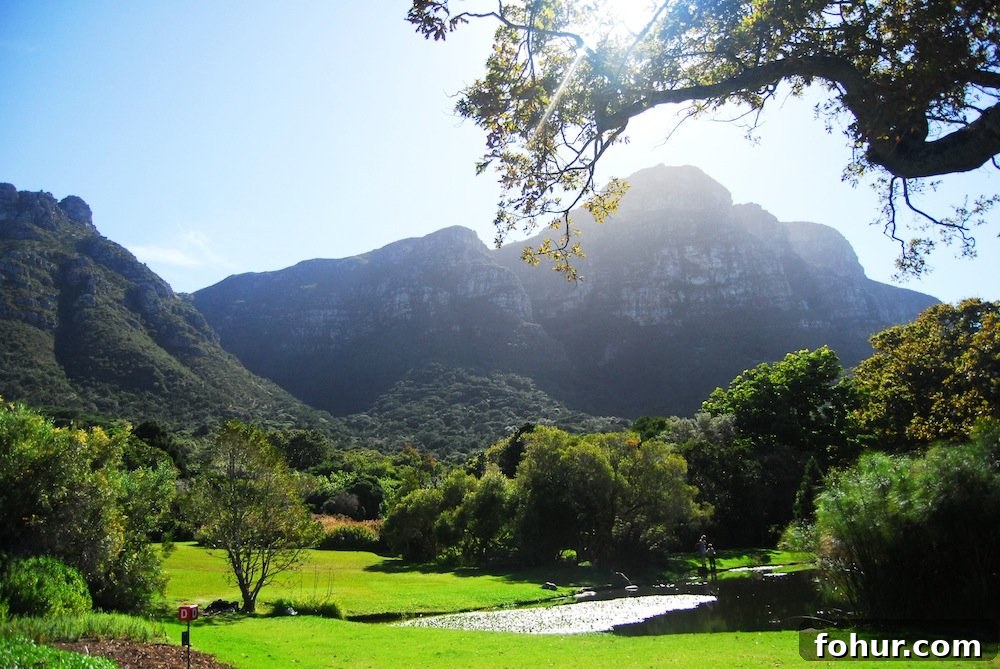
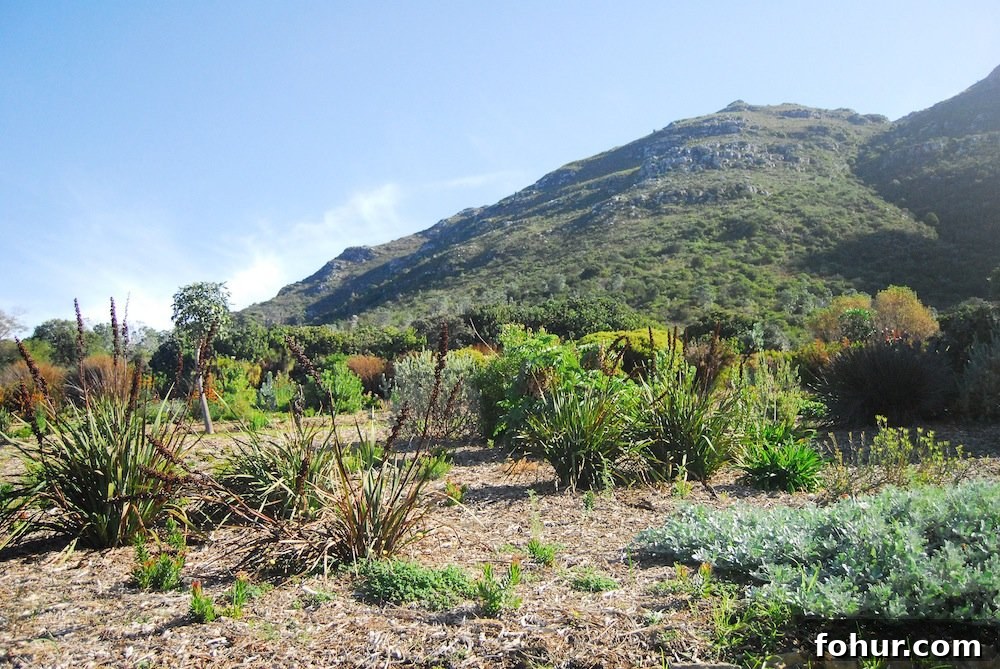
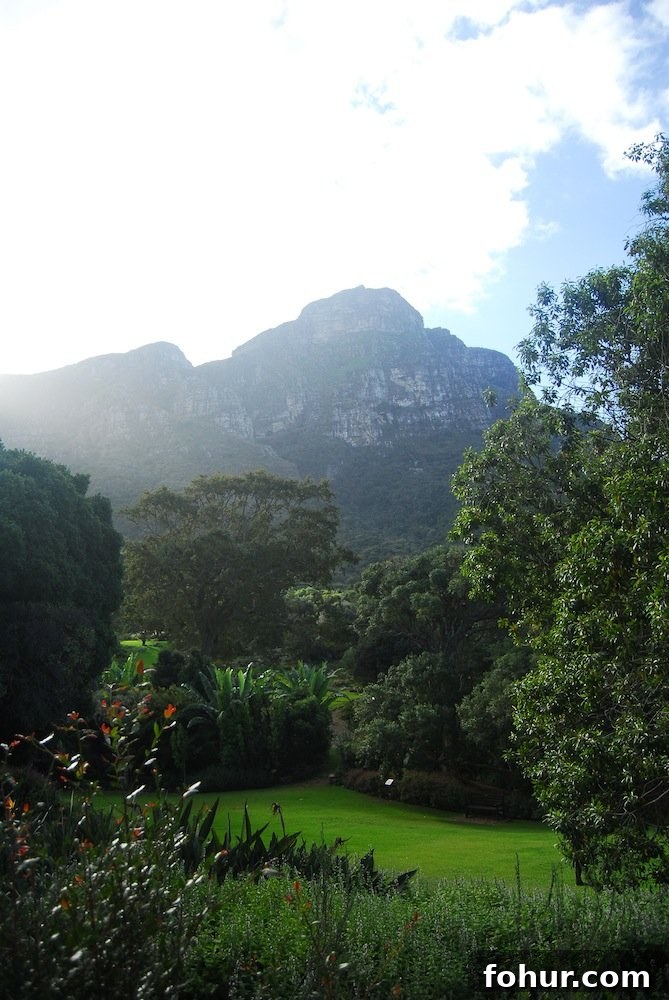
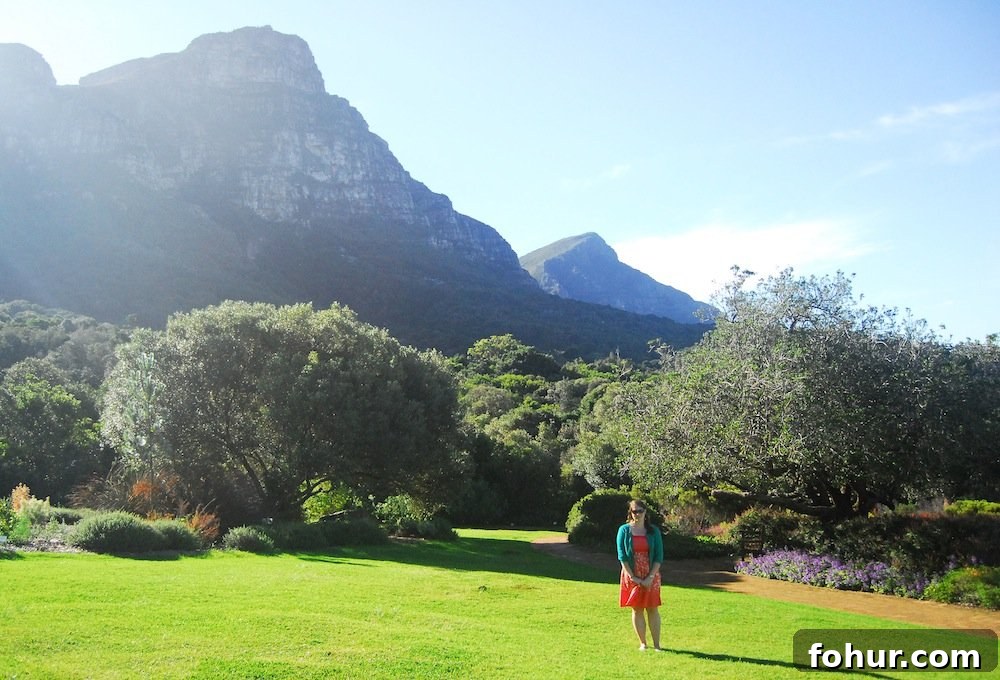
My fiancé and I visited the Kirstenbosch National Botanical Garden a few weeks ago, and once again Cape Town’s beauty left me speechless. Nestled at the foot of Table Mountain, the garden offers spectacular views from the moment you arrive. It is internationally renowned in part because it focuses on plants indigenous to the region, creating a unique and authentic South African collection.
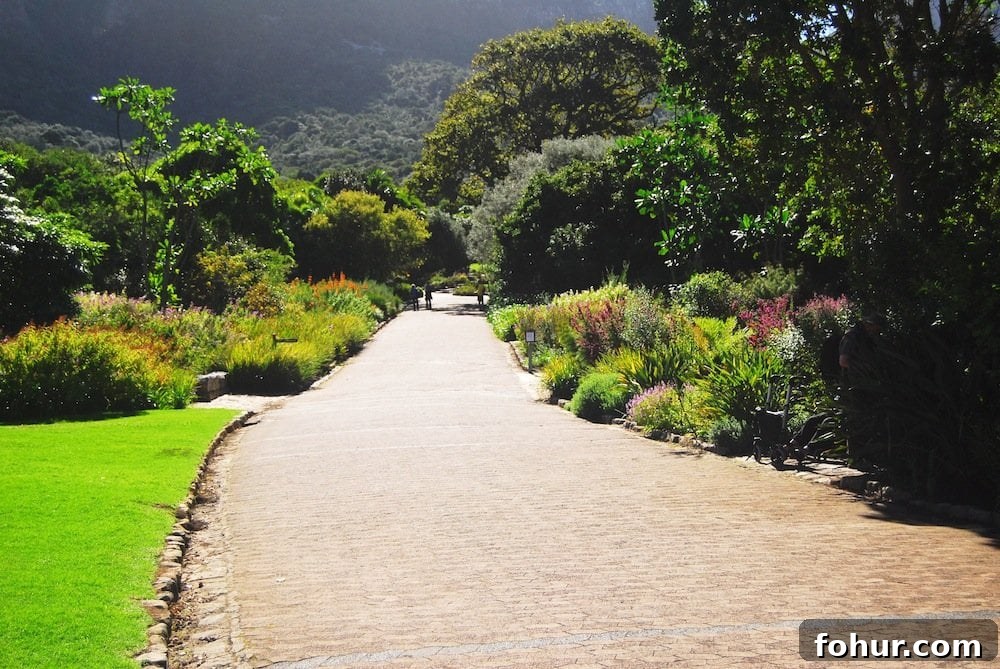
The garden is vast — we spent about three hours wandering through its paths and still felt we only scratched the surface. The layout includes many themed sections and small displays, each showcasing different plant groups. We deliberately took our time at each spot, reading the signage and appreciating the diversity of the flora.
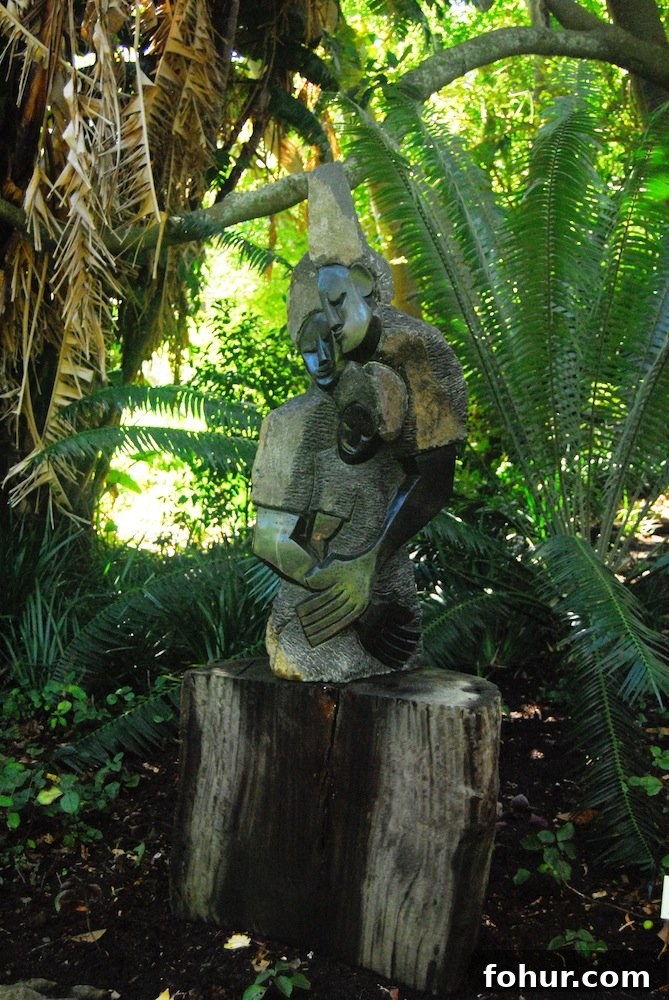
At the main entrance there was a striking sculpture that I immediately loved. Its presence set a thoughtful tone for the visit and hinted at the blend of art and nature found throughout the grounds.
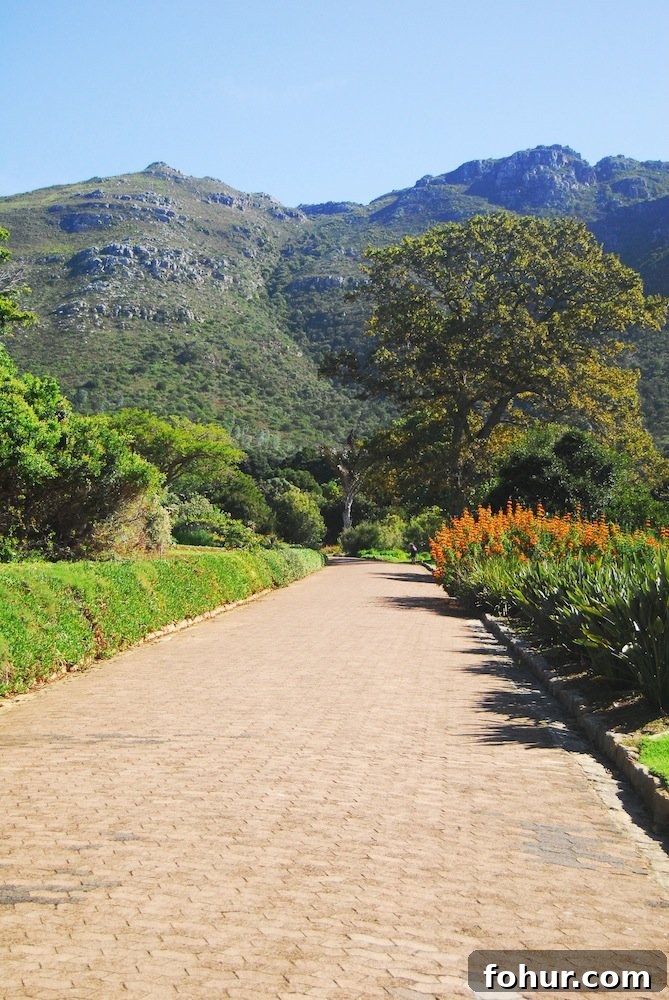
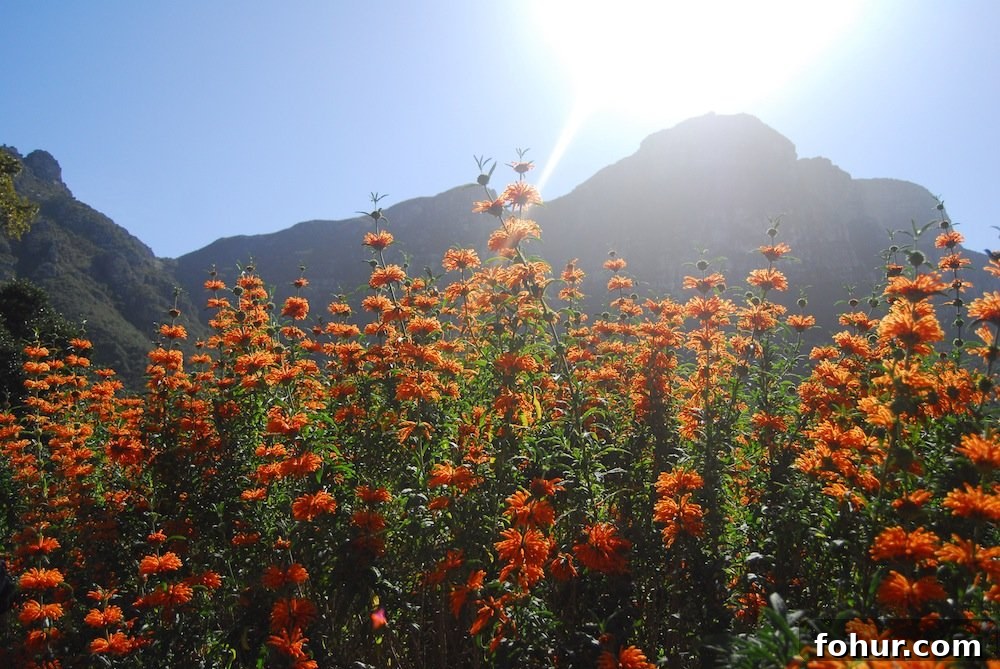
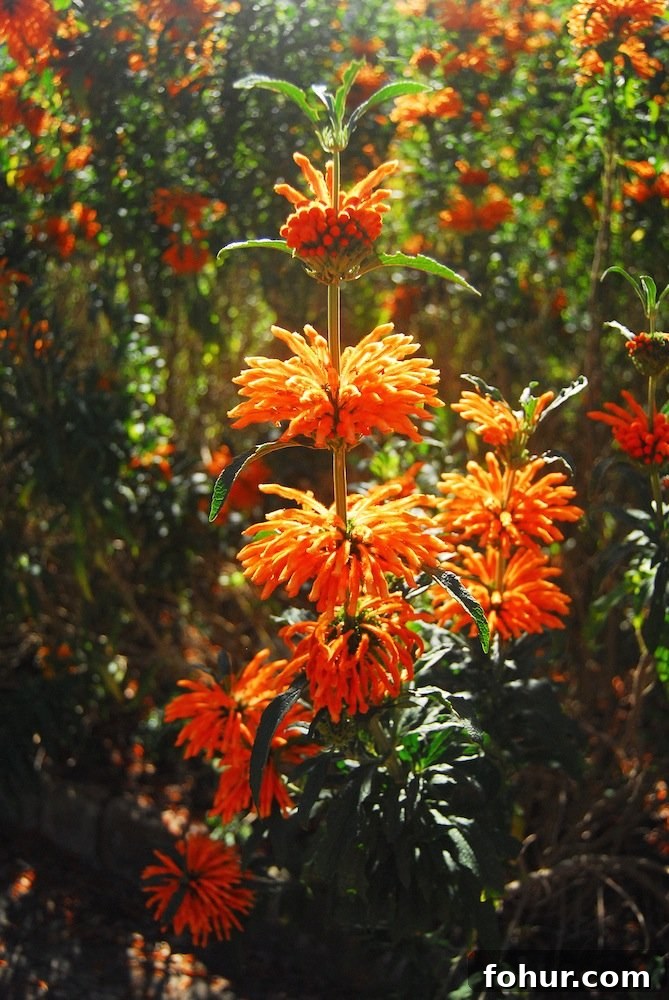
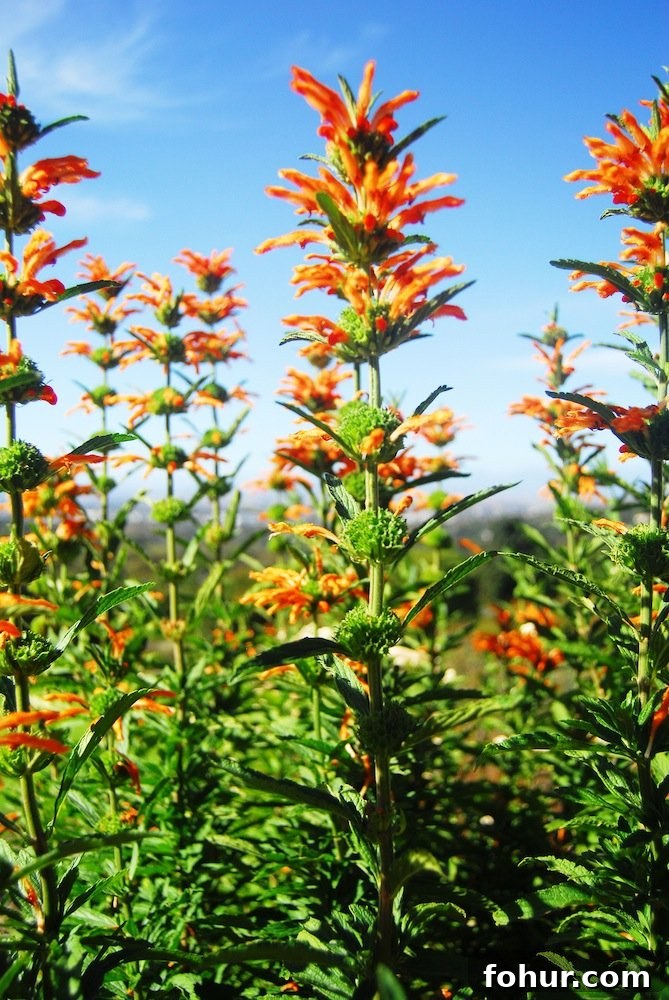
I became a little obsessed with a cluster of vivid orange flowers — their color was so intense and their texture almost velvety. I took a lot of photographs of them because they were simply irresistible.
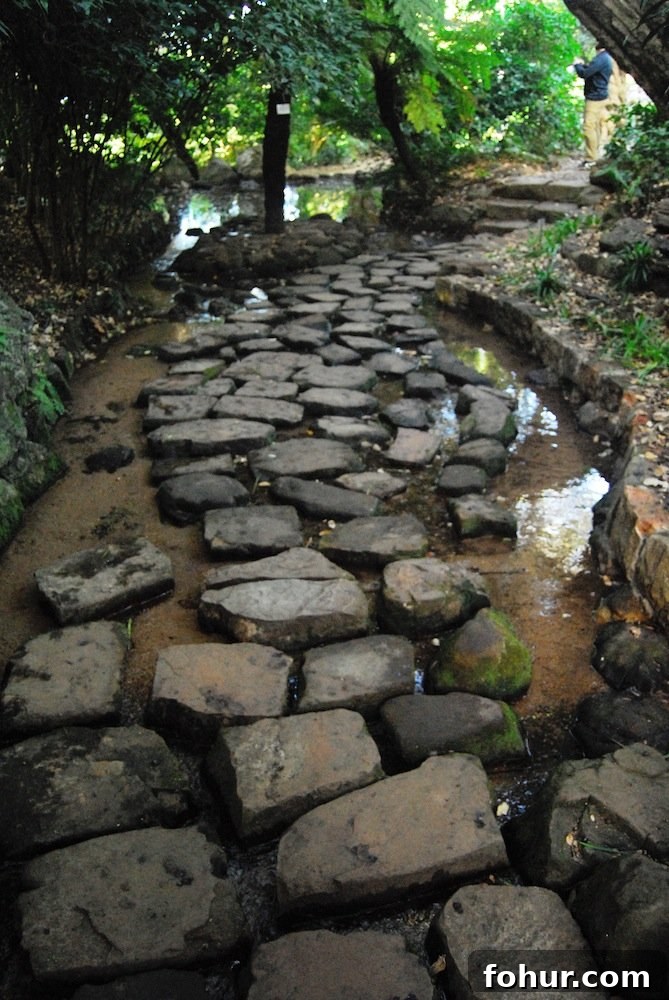
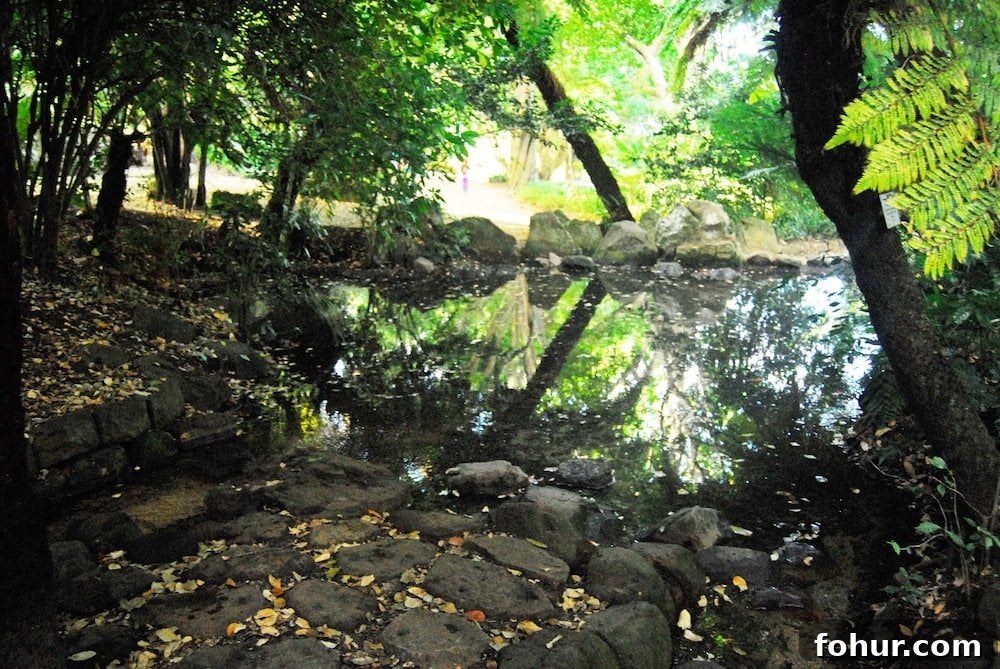
Scattered through the gardens are small ponds, home to a variety of waterfowl and other birds that often look like ducks. These quiet spots provided peaceful places to pause and enjoy the surroundings.
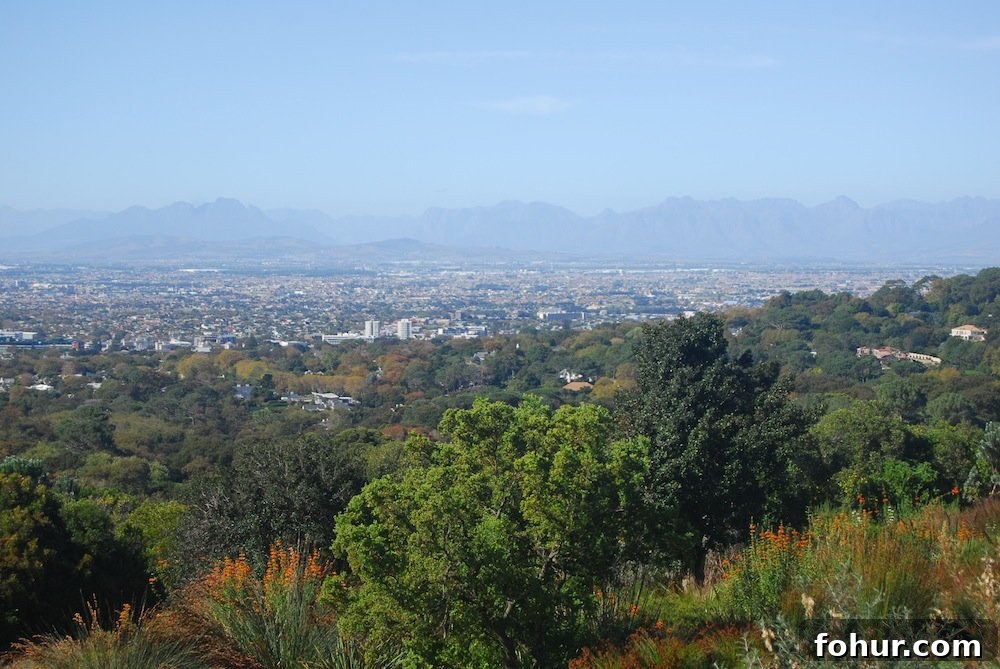
From several vantage points in the garden you can also see the city below — the contrast between the cultivated green spaces and Cape Town’s urban landscape is lovely and makes for memorable photos.
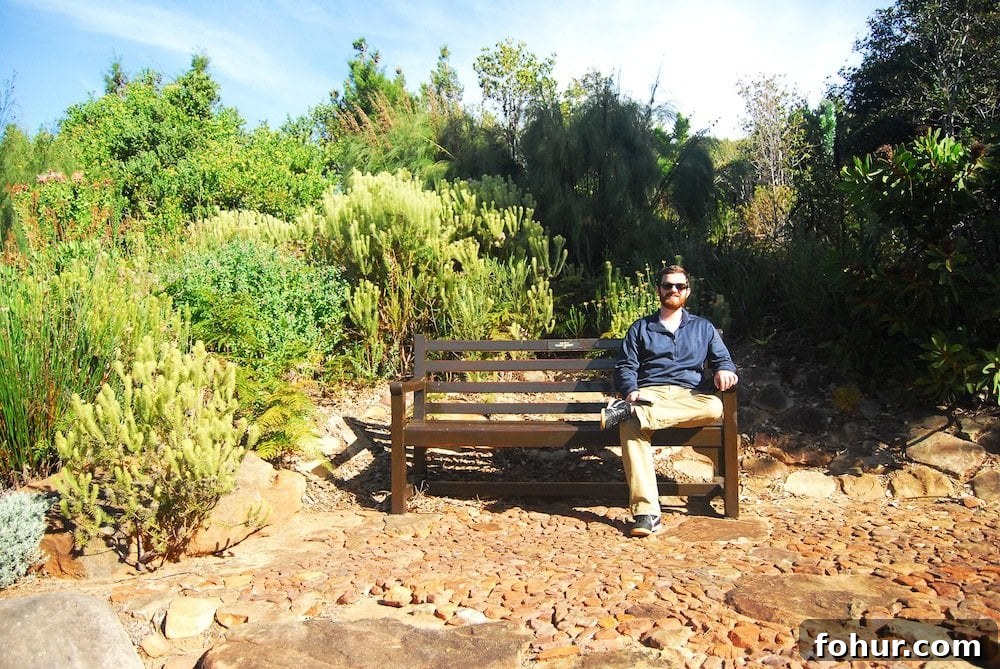
Benches were thoughtfully placed throughout the grounds, inviting visitors to sit and soak in the atmosphere. They were perfect for short rests between exploring different sections of the garden.
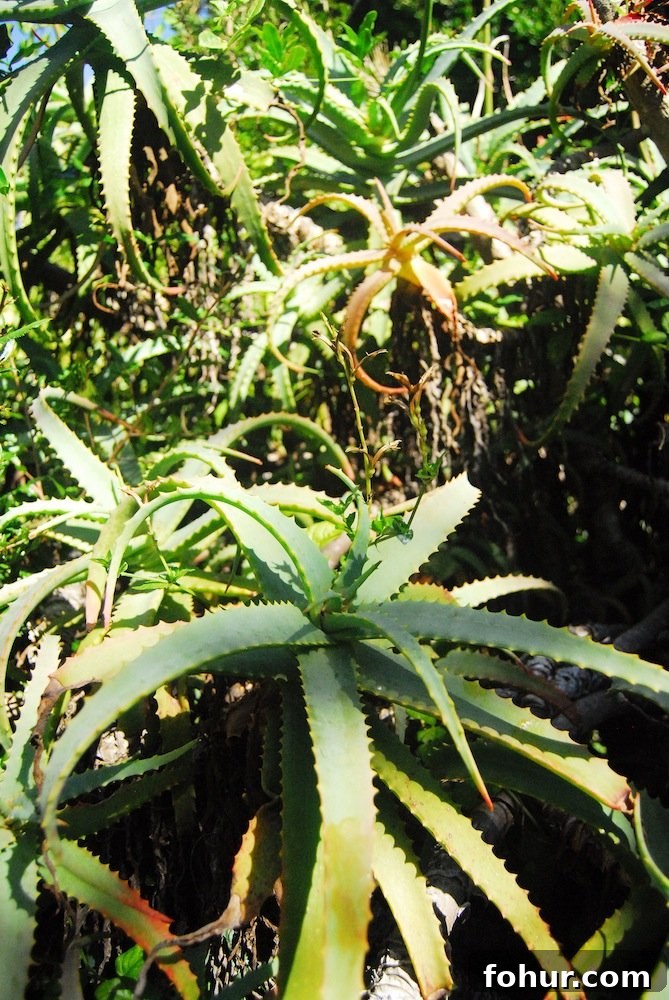
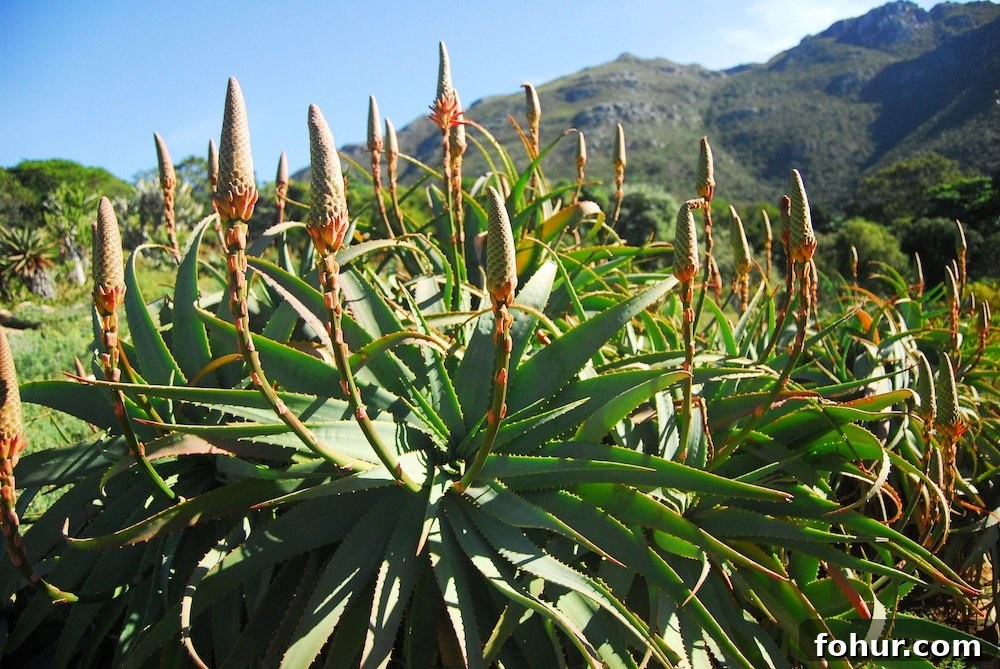
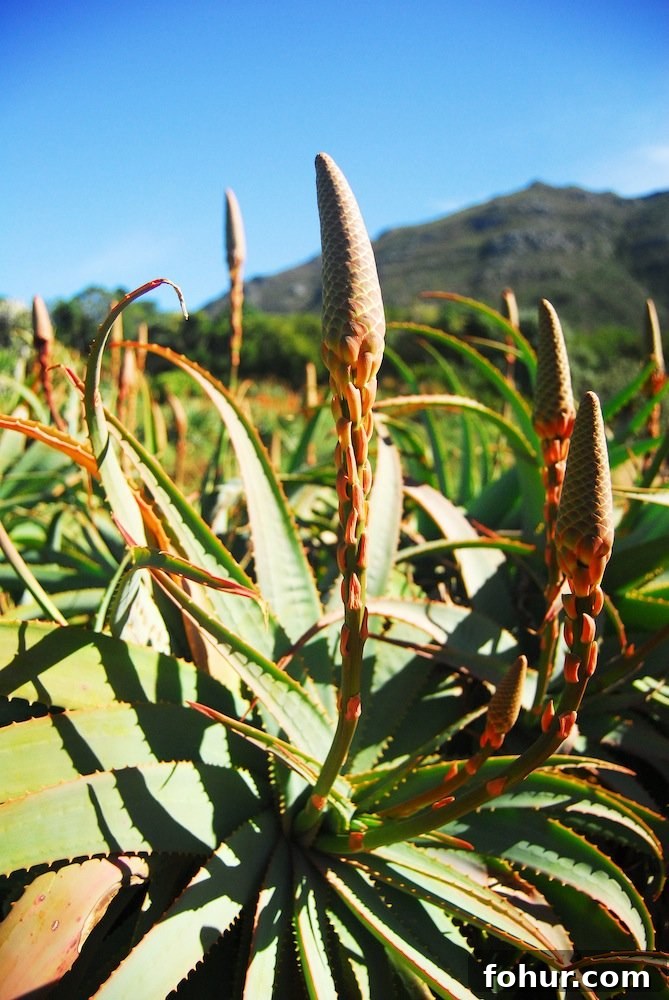
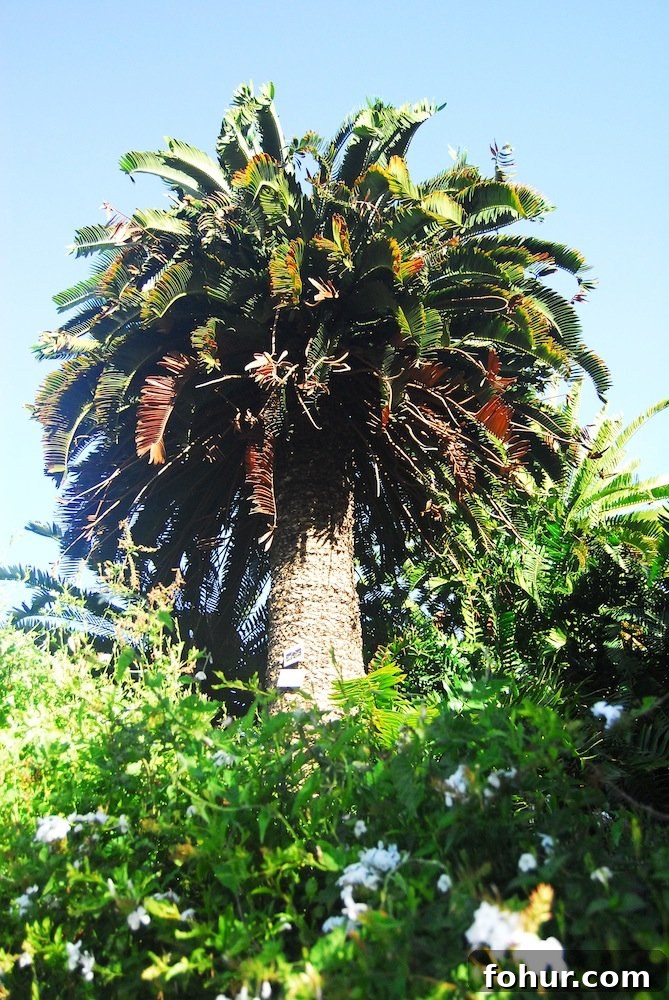
One of the more unusual plant groups in the garden are the cycads — plants that look a bit like palm trees but belong to a different, ancient lineage. In one display we saw the Albany Cycad, a critically endangered species. The garden participates in conservation efforts, including propagation and distribution of seedlings to help protect rare species.
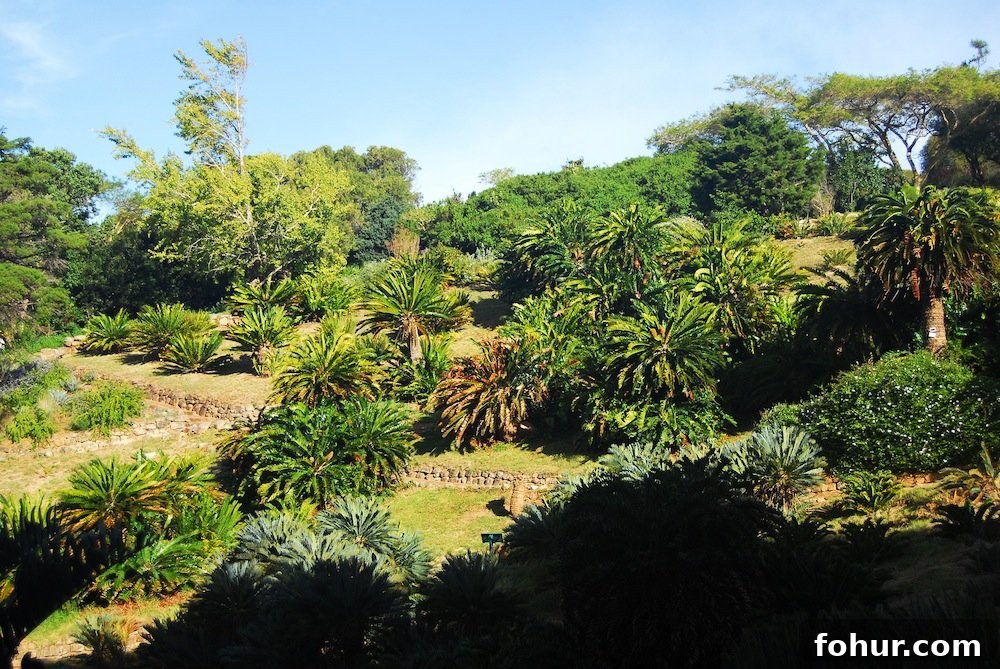
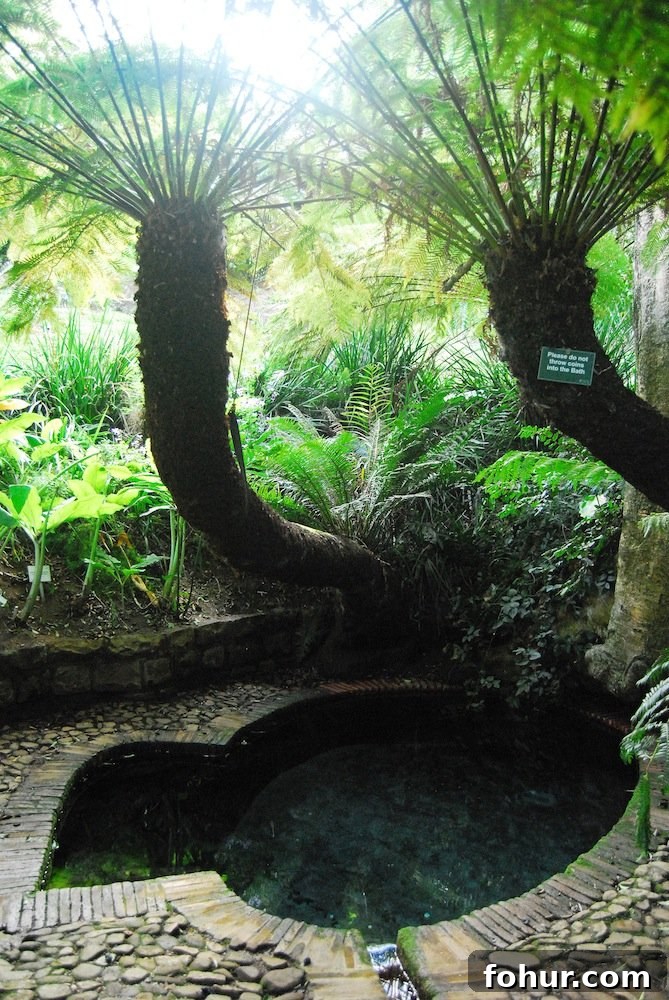
Near a charming bird bath entrance and other sculptural features, the paths reveal small surprises at every turn — unique plant forms, artistic installations, and carefully curated micro-gardens.
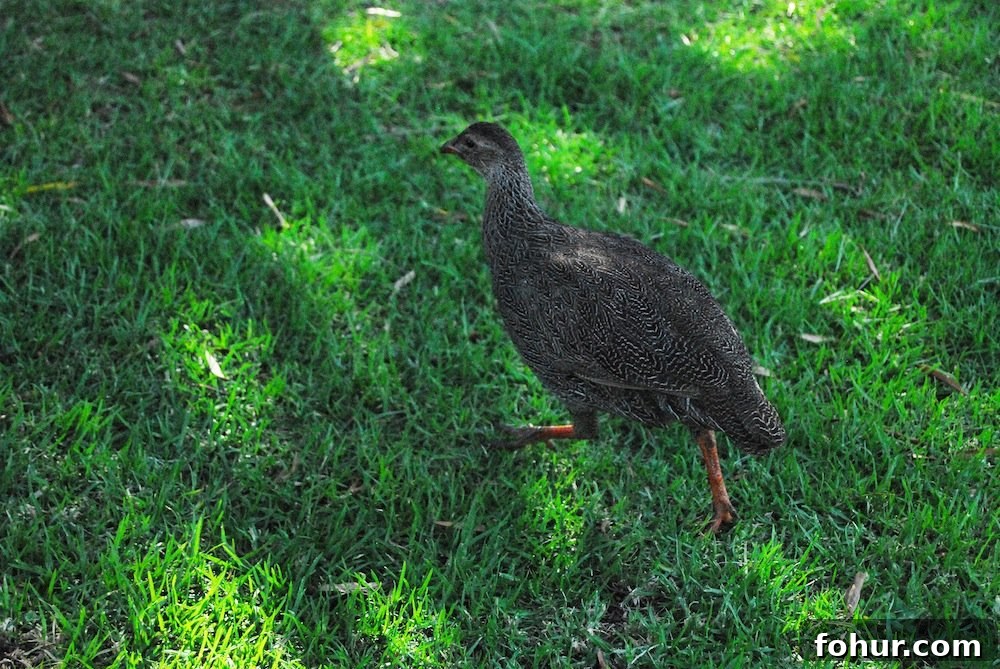
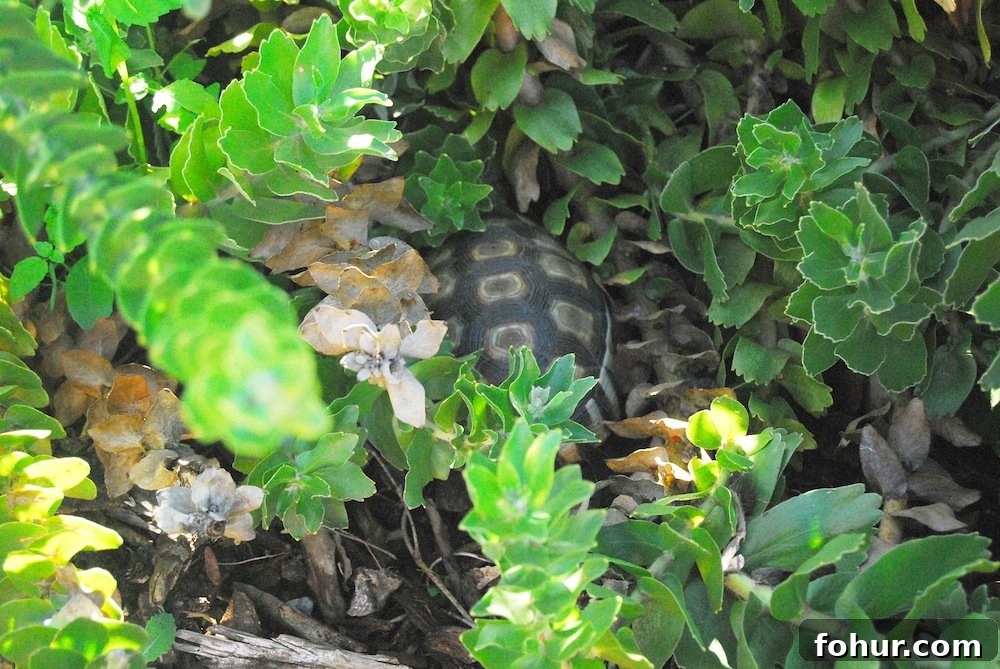
Wildlife is an entertaining part of the experience: peacocks roam freely and show little fear of visitors, and we spotted several turtles relaxing by the water. My fiancé teased me about my knack for noticing them.
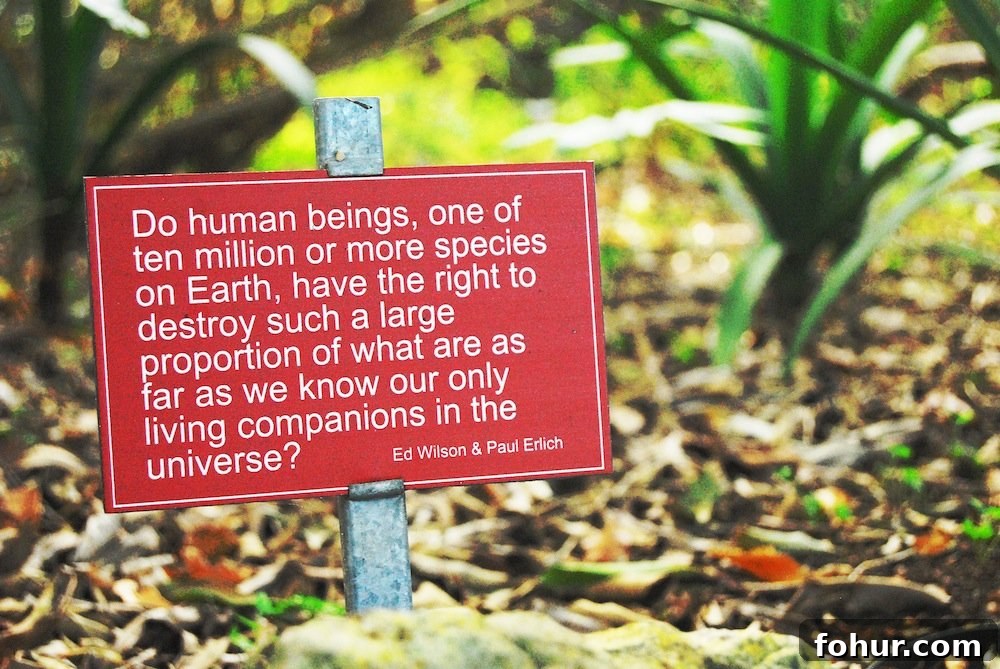
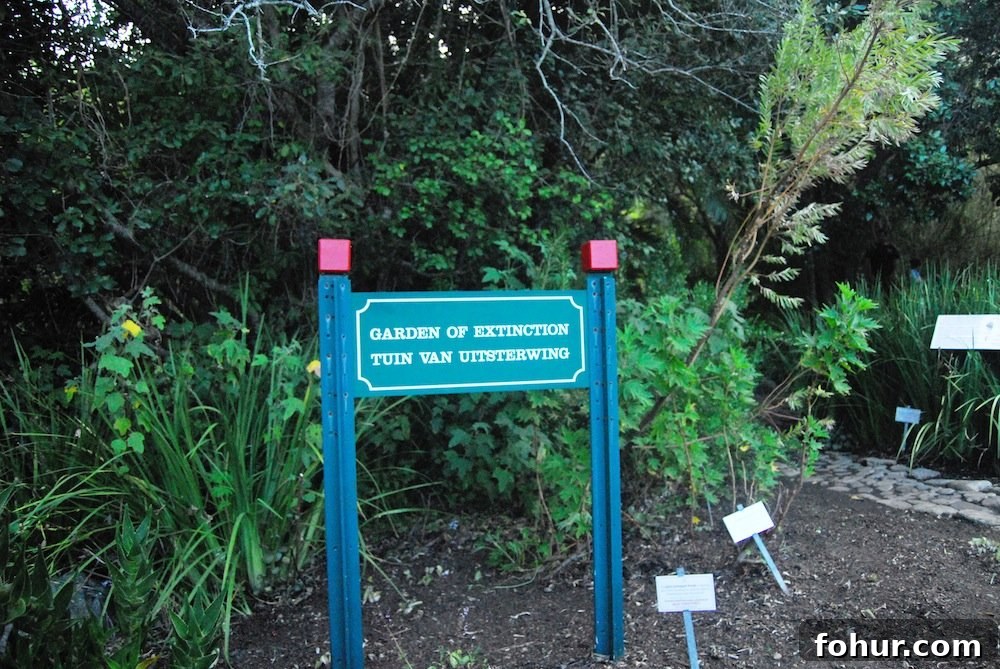
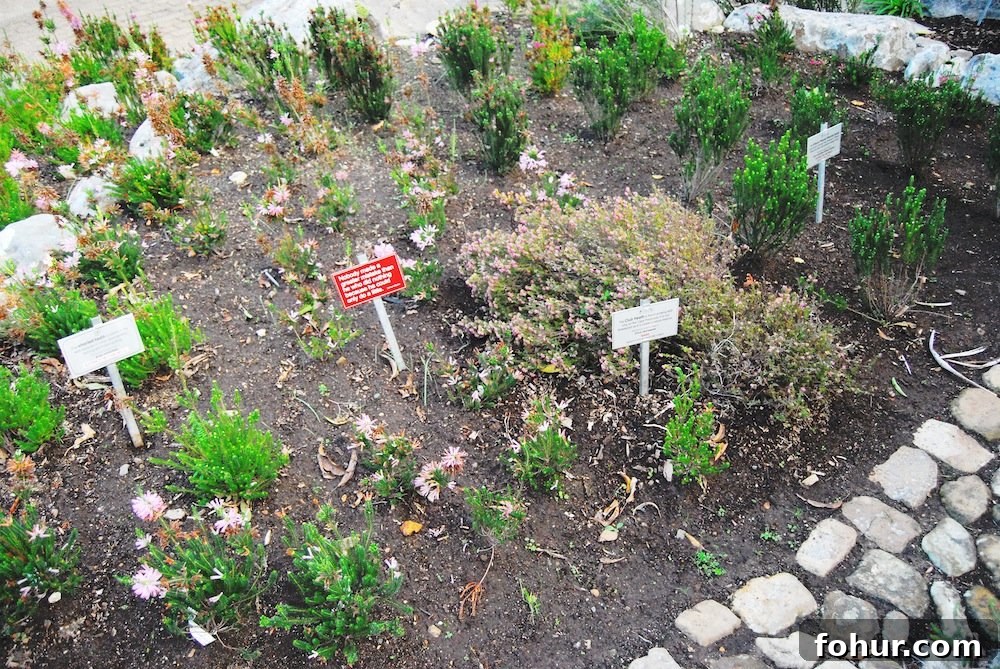
At the end of the trail we discovered the Garden of Extinction, a thoughtful display focusing on plants that are extinct in the wild or critically threatened. Informative signs and small plaques added context and encouraged reflection about conservation.
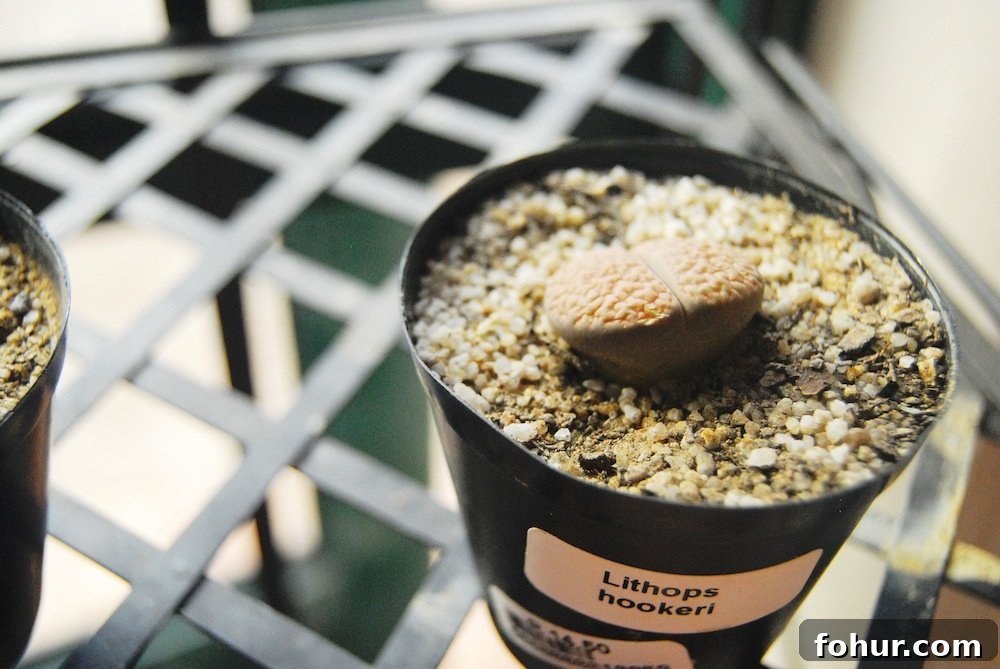
Before leaving we stopped in the gift shop and bought King Protea seeds for our mothers for Mother’s Day. The King Protea is South Africa’s national flower and lends its name to the country’s cricket team. Sadly the protea beds were not in bloom when we visited, but the shop offered a nice selection of seeds and small plants. I also spotted some unusual, brain-like plants — intriguing specimens I would have loved to take home if I had a more permanent garden space.
Overall, Kirstenbosch is a place that rewards slow exploration: thoughtful design, rare plants, wildlife encounters, and unforgettable mountain-backed views. It’s a must-visit for anyone traveling to Cape Town and for plant lovers interested in South Africa’s native flora.