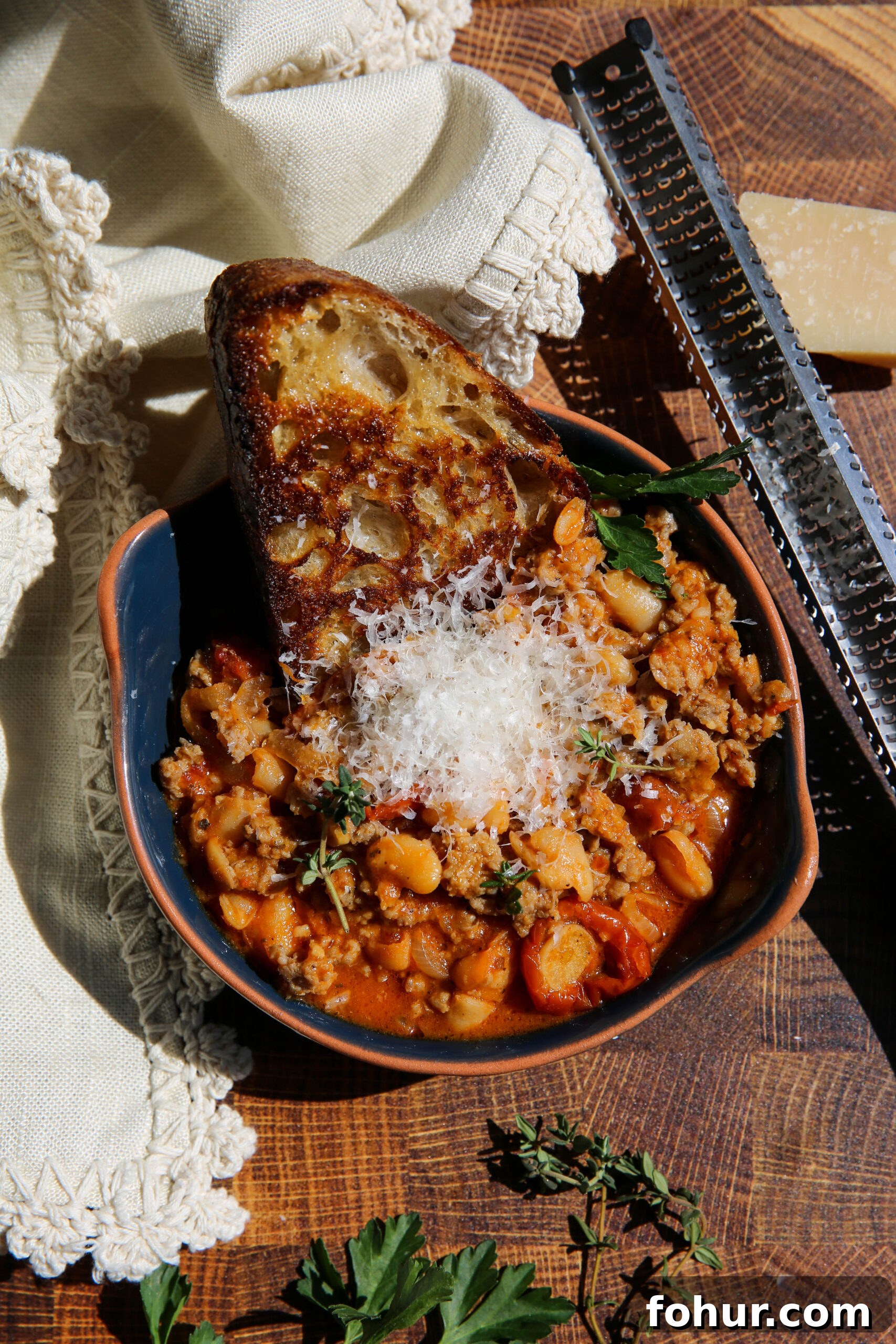
Dietary fiber plays a vital role in overall health. It supports healthy digestion, helps regulate blood sugar and appetite, and can reduce inflammation. Fiber also helps the body remove excess cholesterol and some hormones, and higher fiber intake has been linked with a lower risk of colorectal disease. If you focus on protein, adding adequate fiber ensures food moves smoothly through the digestive tract. Aim for about 25–35 grams of fiber per day as a practical target for most adults.
Below are eight everyday, fiber-rich foods to include regularly. Each section lists the approximate fiber content for a common serving and offers recipe ideas to help you incorporate them into meals.
Beans
Berries
Oats
Broccoli
Avocado
Carrots
Almonds
Chia Seeds
Beans — Fiber Content and Ideas
Beans are among the most economical and versatile sources of fiber. Different varieties have slightly different amounts, but some notable values include chickpeas (about 14.5 grams), lentils (about 15.6 grams), and black beans (about 15 grams) per typical cooked serving. Beans can be added to soups, salads, stews, and grain bowls to boost fiber and plant-based protein.
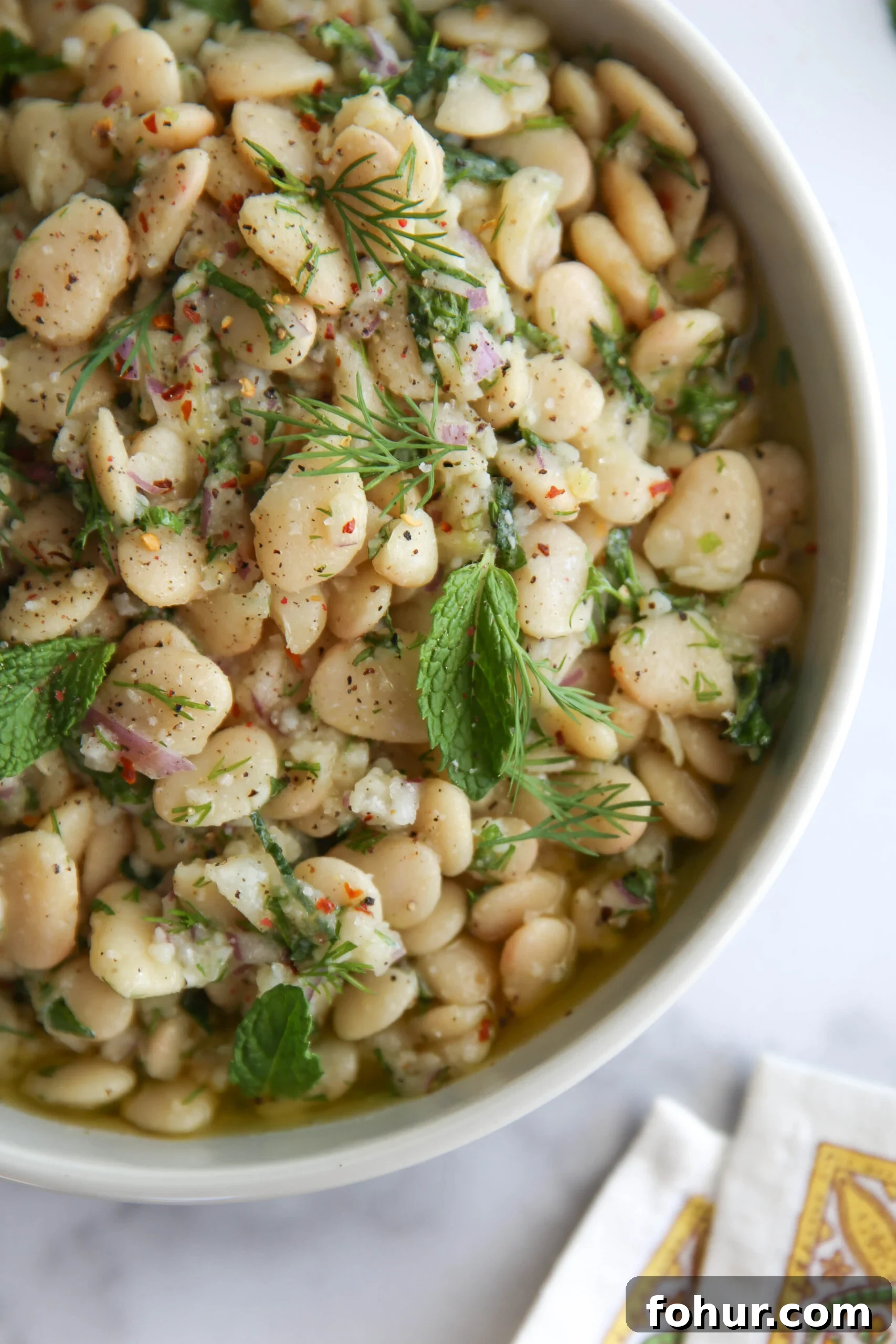
Try these recipe ideas:
Marinated Butter Beans
Lentil Tortilla Soup
Stewed Beans
Turmeric Rice & Beans
Soupy Tomato Beans
Berries — Fiber per Cup and Uses
Berries are flavorful and nutrient-dense, offering fiber plus antioxidants. A 1-cup serving provides different amounts depending on the type: blueberries about 3.6 grams, raspberries about 8 grams, and strawberries about 8 grams per cup. Berries work well in breakfasts, snacks, and desserts.

Try these recipe ideas:
Lemon Berry Chia Pudding
Simple Berry Cake
Triple Berry Kale Salad
Blueberry Crisp
No Bake Sticky Berry Bars
Oats — Fiber per 1/2 Cup (Raw)
Oats are a classic, slow-digesting whole grain that adds bulk and soluble fiber to your meals. A 1/2 cup of raw oats contains about 4 grams of fiber. Use oats in porridge, overnight oats, baked bars, or granola to increase daily fiber intake.
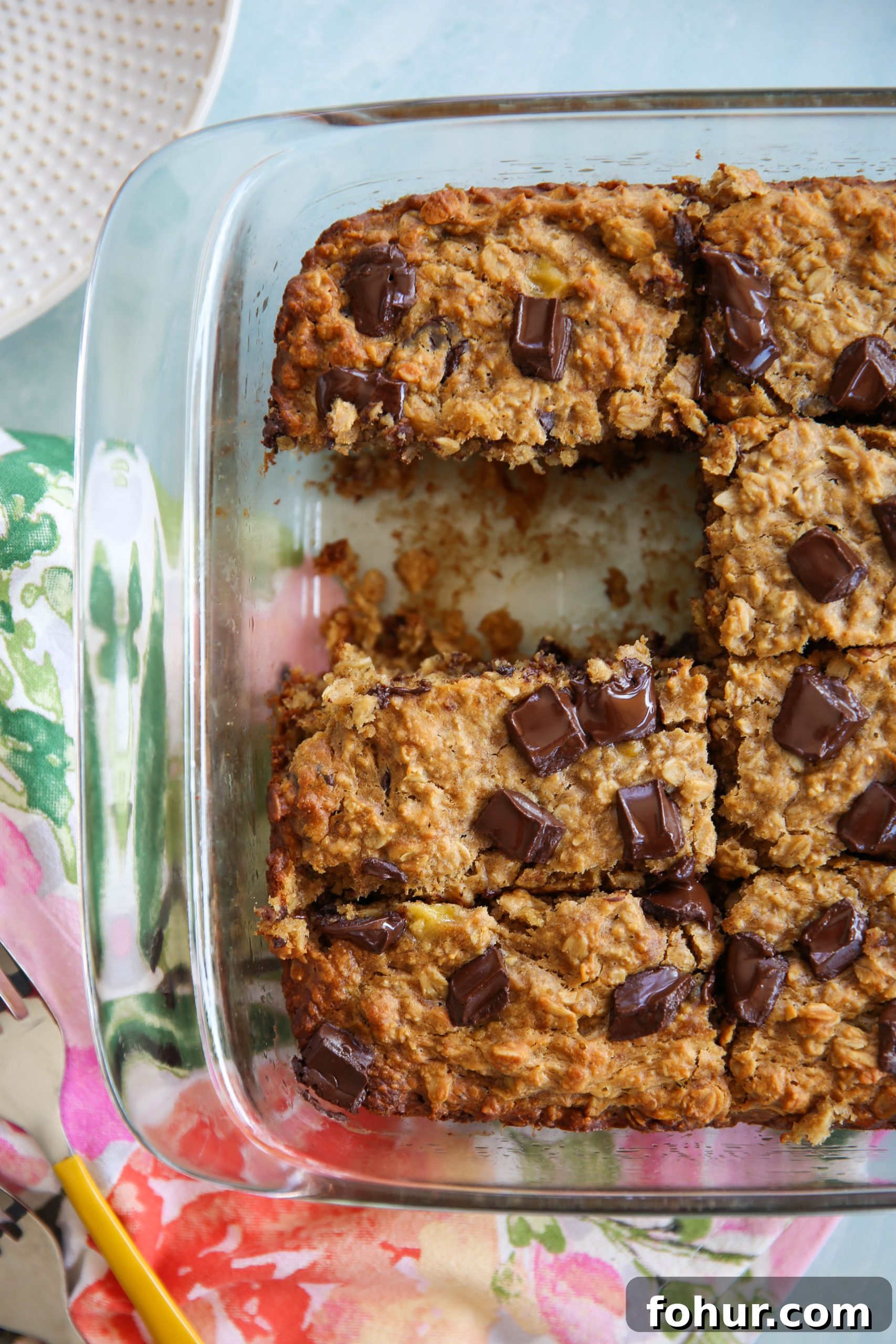
Try these recipe ideas:
Chocolate Chip Oat Bars
Strawberry Cheesecake Overnight Oats
Chocolate Sea Salt Granola
Peanut Butter Granola
Chocolate Peanut Butter Baked Oats
Broccoli — Fiber per Cup (Raw)
Broccoli is a versatile vegetable that contributes both fiber and micronutrients. One cup of raw broccoli contains about 2.2 grams of fiber. It can be eaten raw, steamed, roasted, or added to stir-fries and soups.
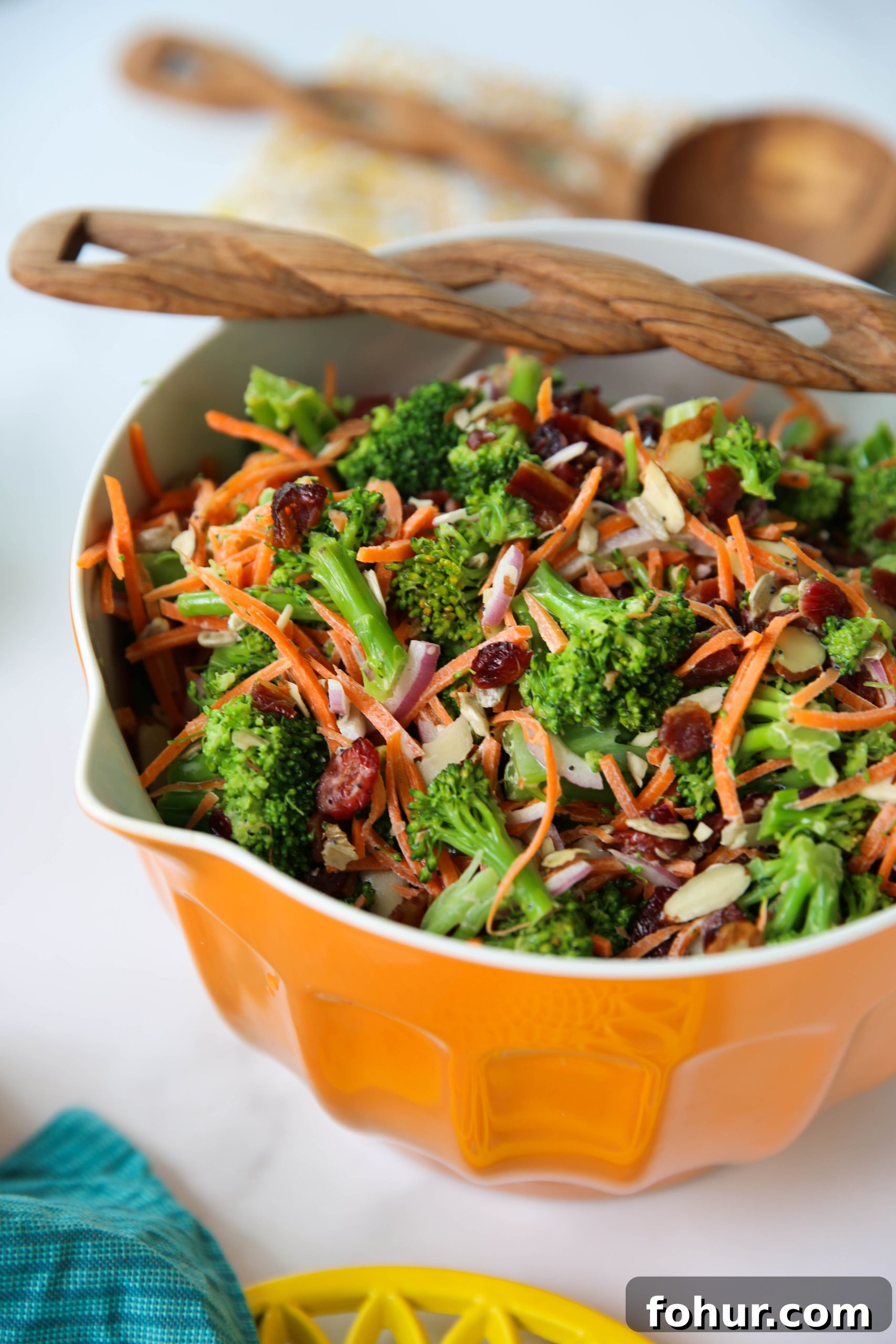
Try these recipe ideas:
Broccoli Salad with Bacon
Beef & Broccoli Cashew Stir Fry
Red Thai Beef Curry
Healthier Broccoli Cheddar Soup
Spaghetti Squash Noodle Bowls
Avocado — Fiber per Fruit
Avocados are creamy, nutrient-packed fruits with a substantial fiber contribution. One avocado contains about 13.5 grams of fiber. Slice or mash avocados for toast, dips, salads, or as a creamy addition to many dishes.

Try these recipe ideas:
Greek Avocado Dip
Avocado Toast Three Ways
Shredded Beef Arepas
Honey Lime Chicken Wings w/ Creamy Avocado Dip
Summer Shrimp Salad
Carrots — Fiber per 100 Grams
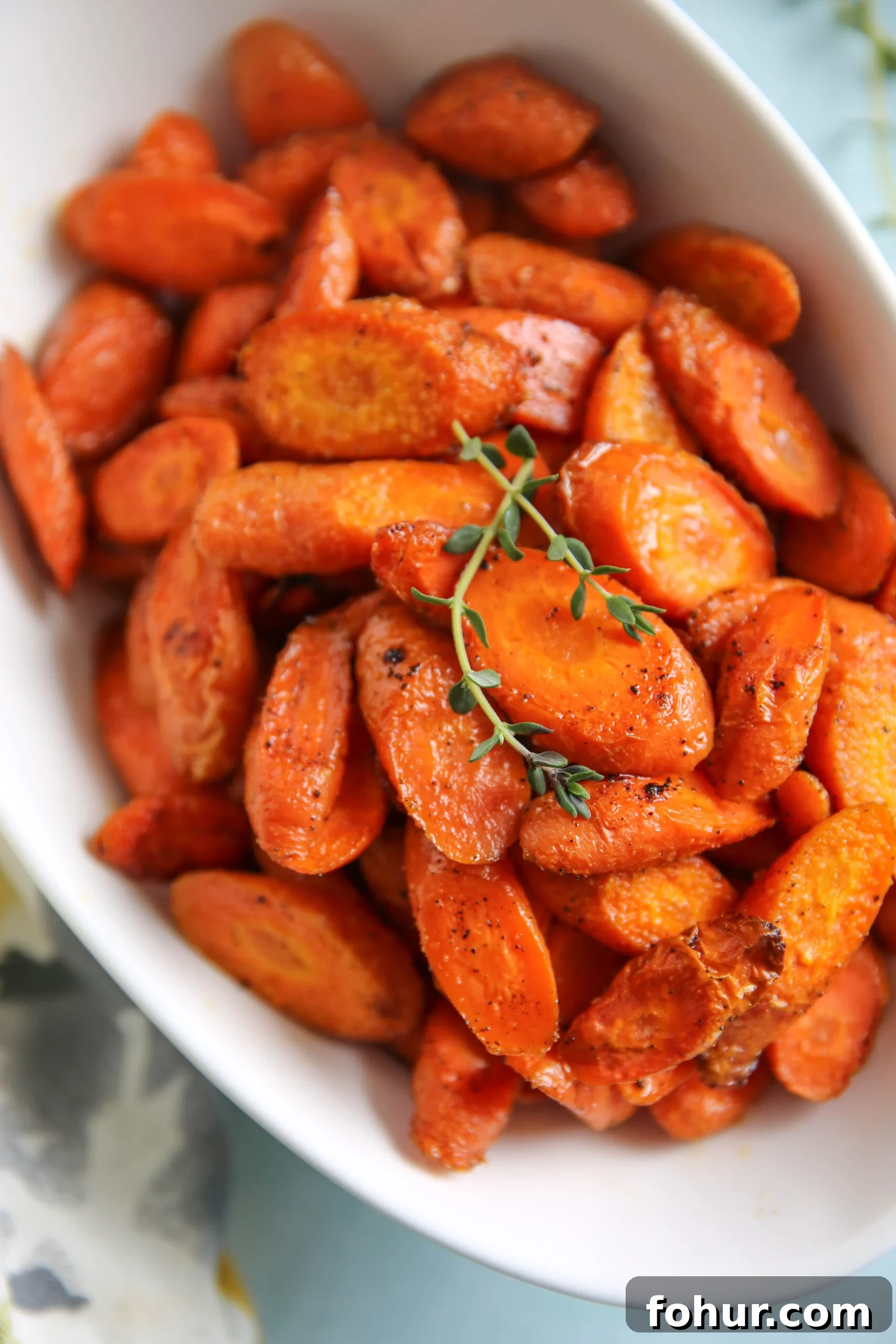
Carrots are a convenient, crunchy source of fiber. About 100 grams (roughly two small to medium carrots) contains approximately 2.8 grams of fiber. They are great raw as snacks, roasted as a side, or blended into soups and baked goods.
Try these recipe ideas:
Easy Roasted Carrots
Instant Pot Carrot Soup
Carrot Cheesecake Crumb Muffins
Carrot Breakfast Carrot Cake
Almonds — Fiber per Ounce
Almonds are a portable, fiber-rich nut and make an easy snack or ingredient. A 1-ounce serving contains about 3.5 grams of fiber. Add almonds to yogurt, salads, baked goods, or snack on a small handful between meals.

Try these recipe ideas:
Peppermint Patty Almond Butter
Almond Butter Blondies
Almond Joy Bars
Almond Butter Granola
Almond Butter Chocolate Cups
Chia Seeds — Fiber per Ounce
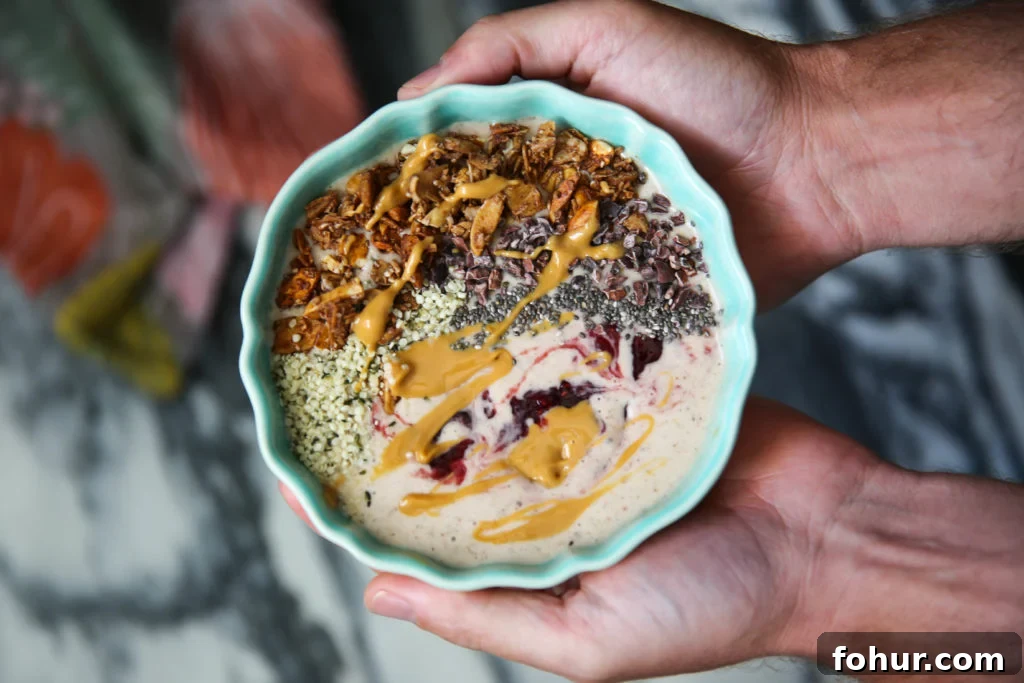
Chia seeds are tiny but concentrated in fiber; one ounce contains about 10 grams of fiber. They absorb liquid and form a gel, which makes them useful for puddings, smoothies, and as an egg substitute in some recipes.
Try these recipe ideas:
Peanut Butter & Jelly Smoothie Bowl
Citrus Yogurt Chia Bowls
Overnight Chocolate Coffee Chia Pudding
Pumpkin Pie Chia Pudding
Chocolate Dip Caramel Nut Bars
Including a variety of these foods across meals and snacks will make it easier to meet daily fiber goals. Small swaps—adding beans to a salad, a handful of almonds as a snack, or chia seeds in your morning yogurt—add up quickly. Prioritize whole foods and a mix of soluble and insoluble fiber for balanced digestive health.