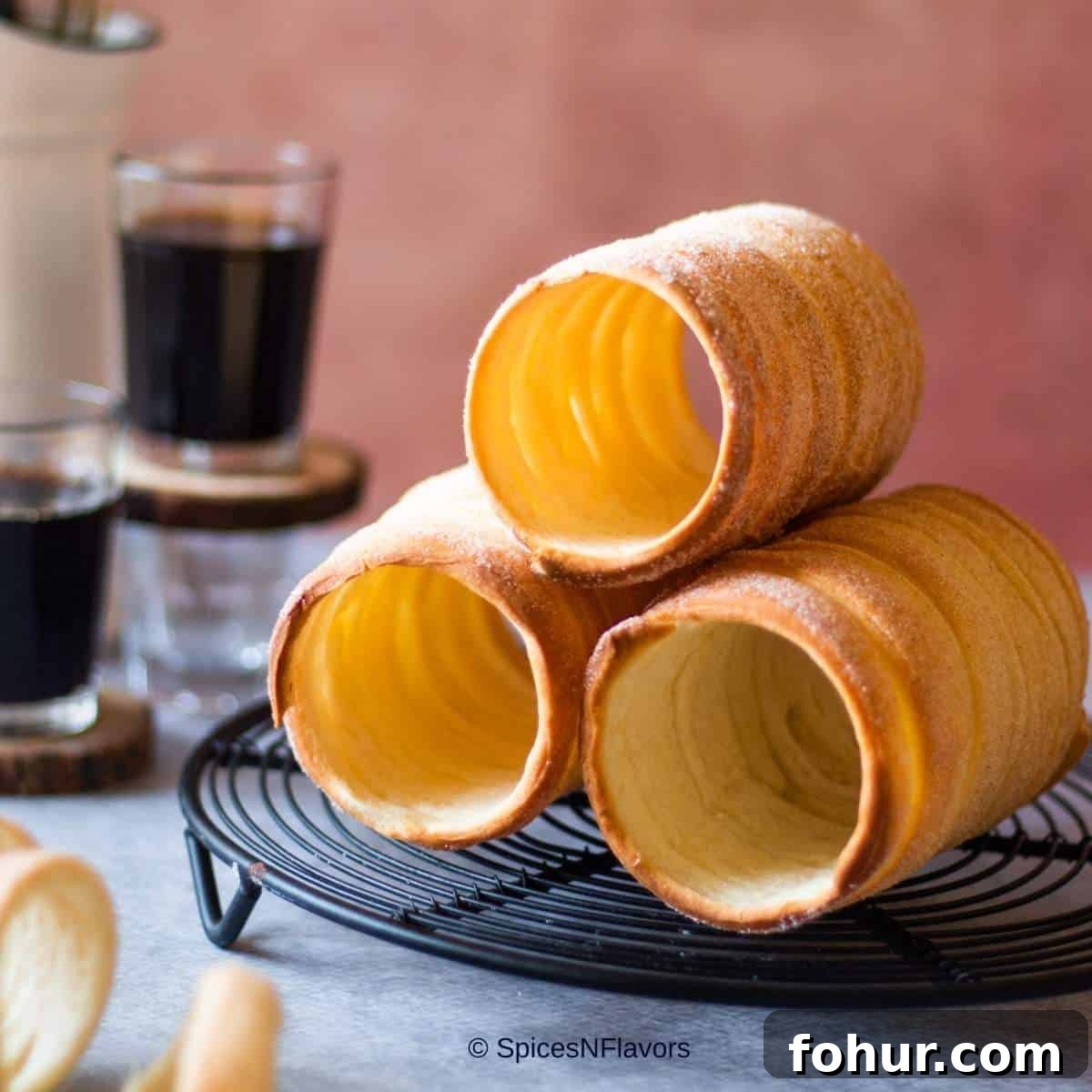
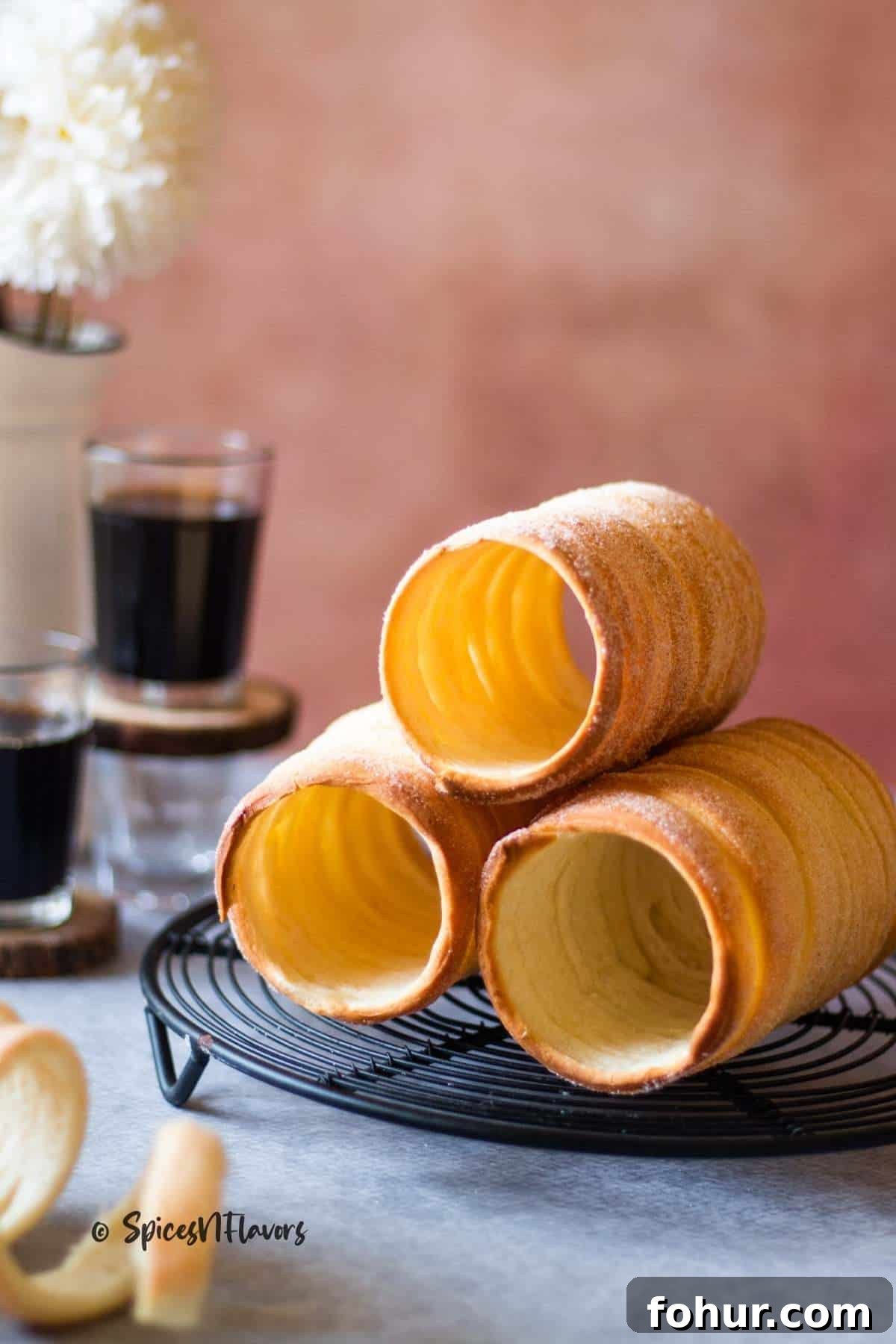
This easy-to-follow chimney cake recipe brings a beloved street-food treat into your home kitchen. Known in Hungary as Kürtőskalács, chimney cakes are hollow, spiral-shaped pastries with a crisp, caramelized exterior and a soft, fragrant interior. Enjoy them plain, rolled in nuts or coconut, or fill them with ice cream or whipped cream for an indulgent dessert.
What is it like to eat a chimney cake?
Chimney cake, or Kürtőskalács, is a traditional Hungarian pastry made from sweet yeast dough wrapped around a cylindrical mold and baked until the outside is caramelized and crunchy. The contrast between the crackling outer shell and the soft, pillowy dough inside creates a delightful texture. Toppings such as chopped nuts, coconut flakes, or cinnamon sugar add flavor and extra crunch. Because the caramelized sugar can be sticky and crumbly, these cakes are often eaten by hand for the full sensory experience.
Do you need special equipment to make them at home?

You don’t need professional spit equipment to make chimney cakes at home. Common kitchen items are sufficient: a rolling pin, aluminum foil, and a baking tray. Empty soda cans wrapped in foil act as convenient cylindrical molds to get the classic spiral shape. If you prefer, a wooden rolling pin covered in foil will work as well, though you should turn it during baking for even color.
Ingredients
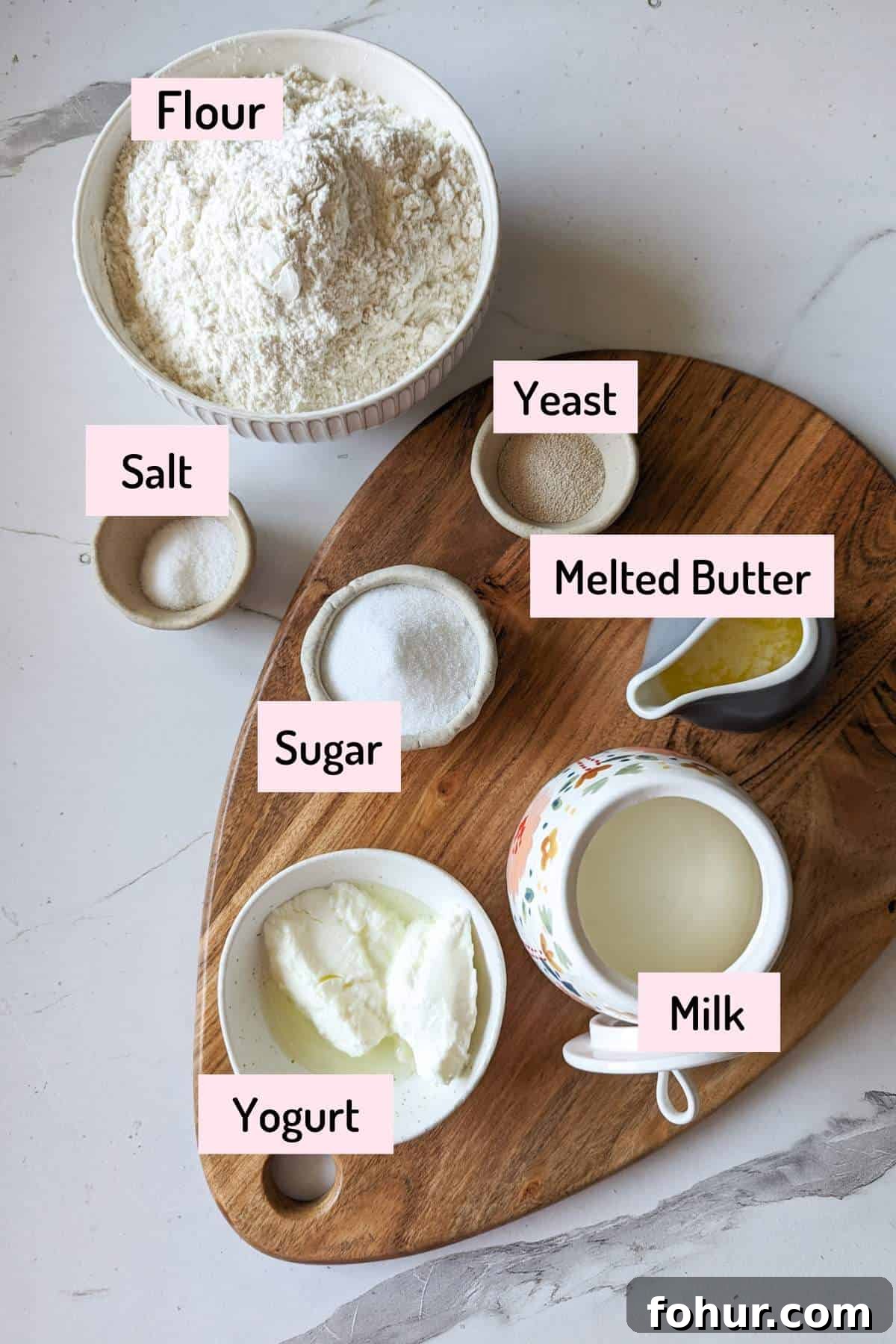
- Flour – All-purpose flour (bread flour can be used instead; avoid cake flour)
- Yeast – Instant yeast is convenient (or use active dry yeast after activating it)
- Yogurt – You may substitute 1 egg for the yogurt
- Milk – Warm milk to help the dough come together
- Butter – Melted butter adds richness
- Sugar & Cinnamon – For coating and caramelization
- Vanilla – 1 tsp vanilla extract enhances flavor
- Molds – 4 empty soda cans or a foil-covered rolling pin
See the recipe section below for exact quantities and step-by-step instructions.
Step by Step Tutorial
Step 1 – Prepare the dough
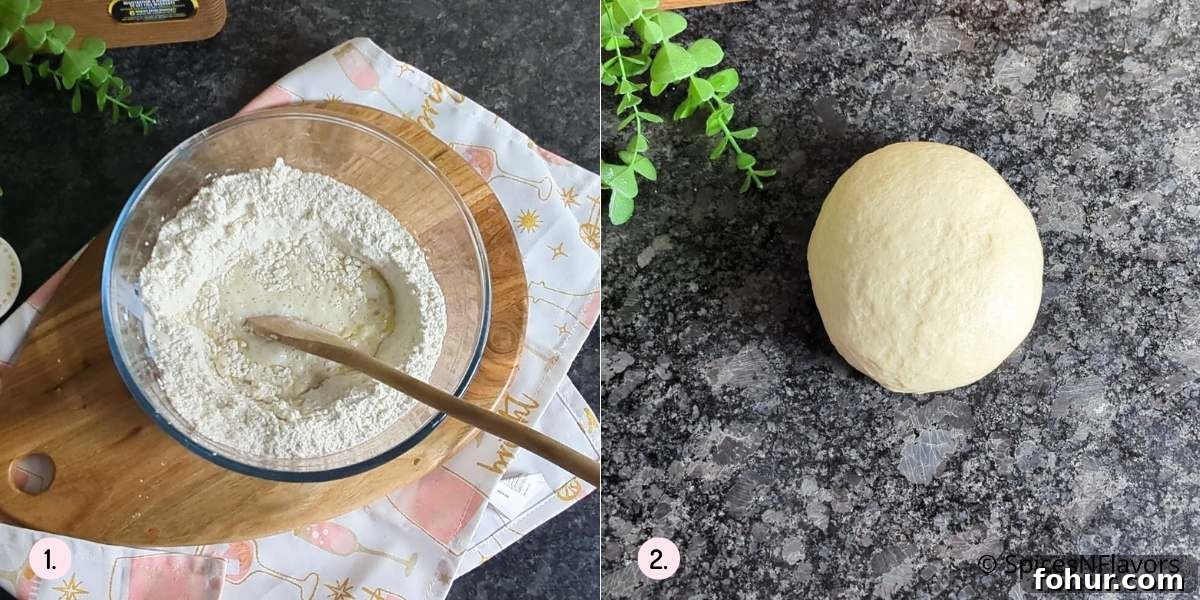
In a large bowl, whisk the flour with salt, sugar, and yeast. Make a well in the center and add yogurt (or 1 egg), melted butter, vanilla, and warm milk. Mix until the dough comes together, then transfer to a lightly greased surface and knead until soft and supple. To avoid drying the dough, grease the work surface lightly with oil rather than adding extra flour.
Step 2 – First proofing
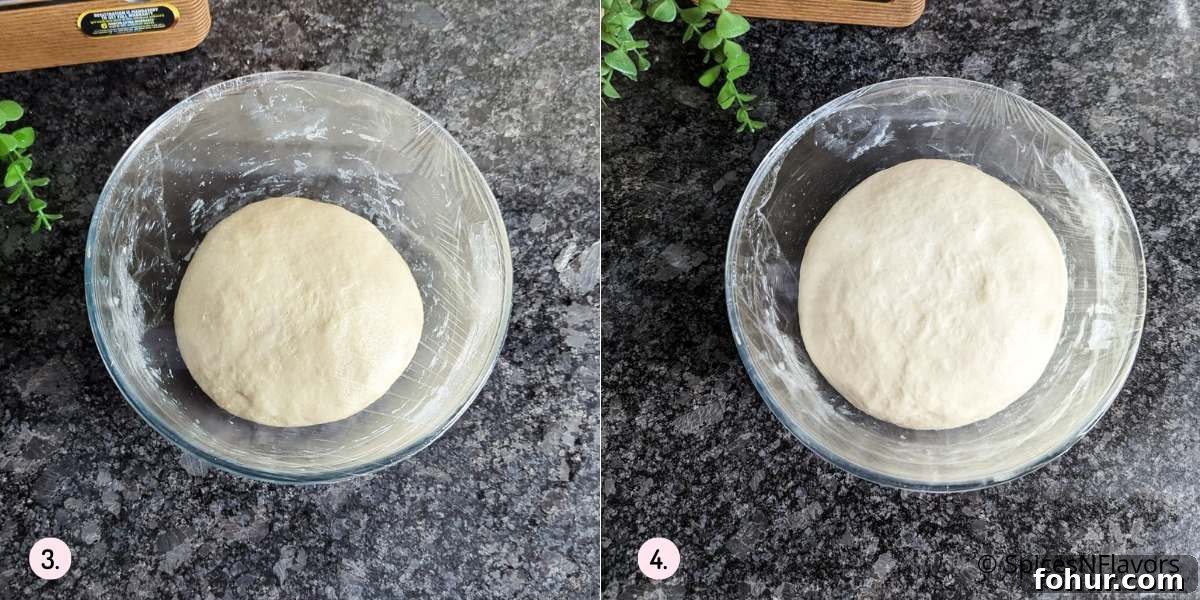
Grease a bowl, place the kneaded dough inside and turn to coat with oil. Cover and let it proof in a warm place until doubled in size, about 1 hour. If you prefer a faster method, you can proof in a warm appliance or use a low-temperature proof setting to reduce the time to around 30 minutes.
Step 3 – Pre-preparations
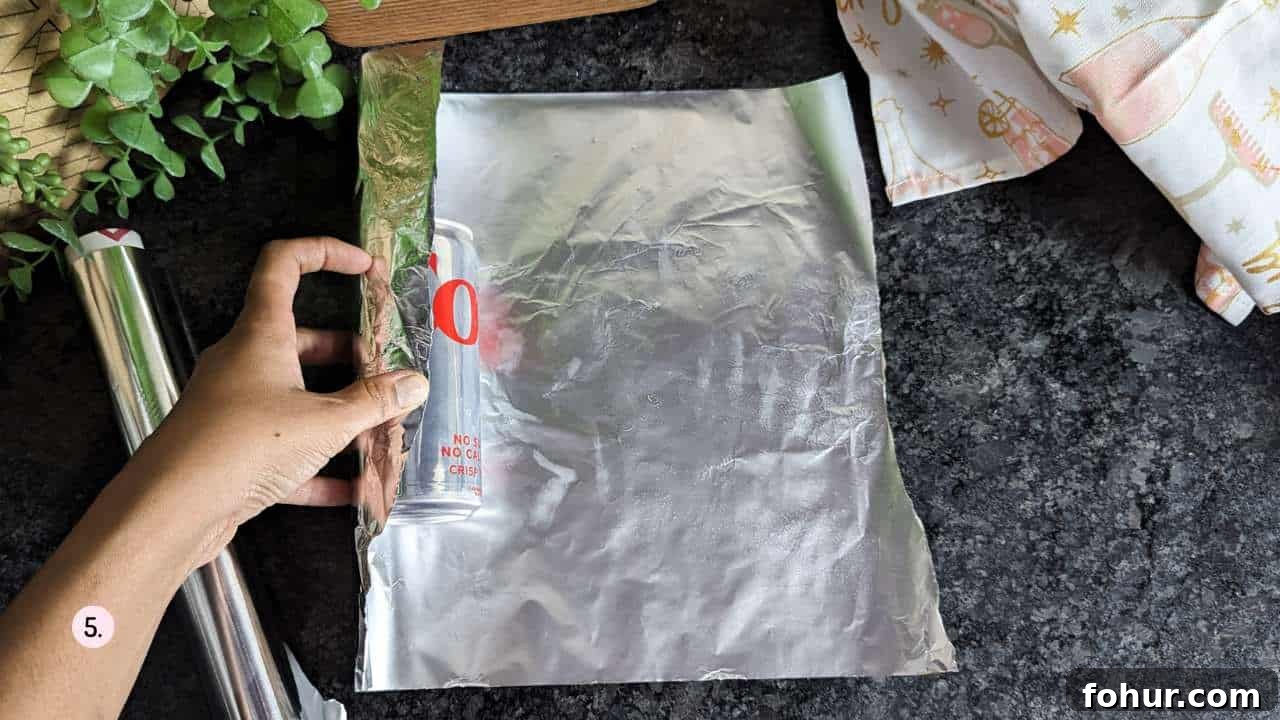
While the dough proofs, wrap your empty soda cans completely in aluminum foil, sealing the top and bottom edges so they are fully covered. Prepare a shallow bowl with a cinnamon-sugar mixture for coating.
Step 4 – Shaping
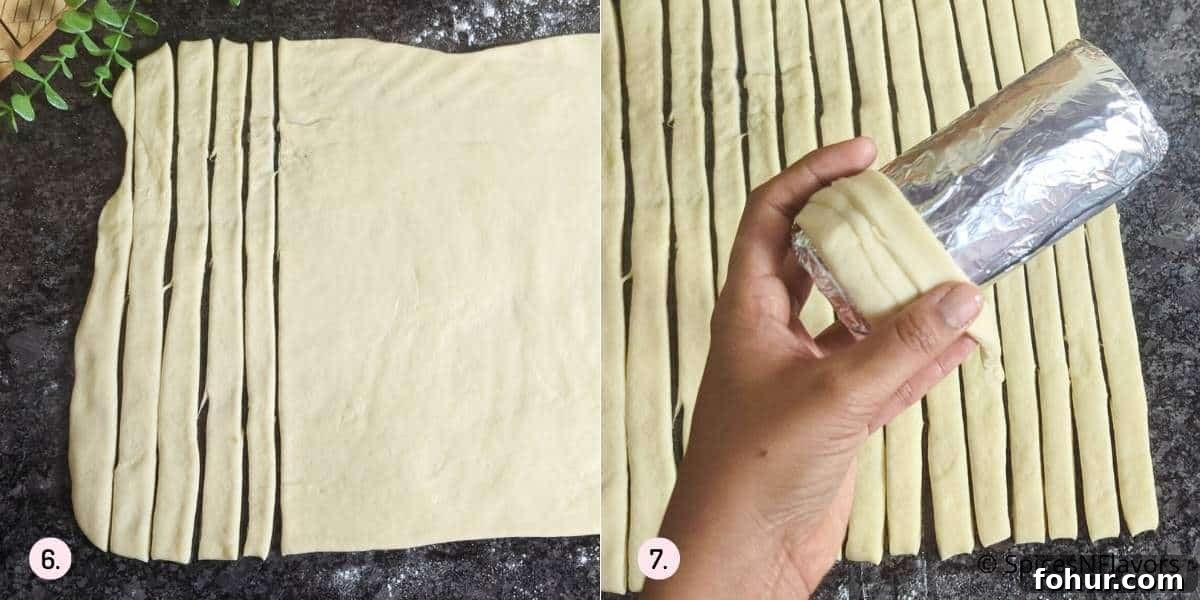
Punch down the risen dough and roll it into a rectangle about 1/4 inch thick. Cut it into long strips roughly 1 cm wide. Lightly oil the foil-covered cans and wrap the dough strips around them in a spiral, overlapping slightly. Roll each wrapped can on the counter to even out the surface, then roll the dough-covered can through the cinnamon-sugar to coat evenly.
Step 5 – Baking
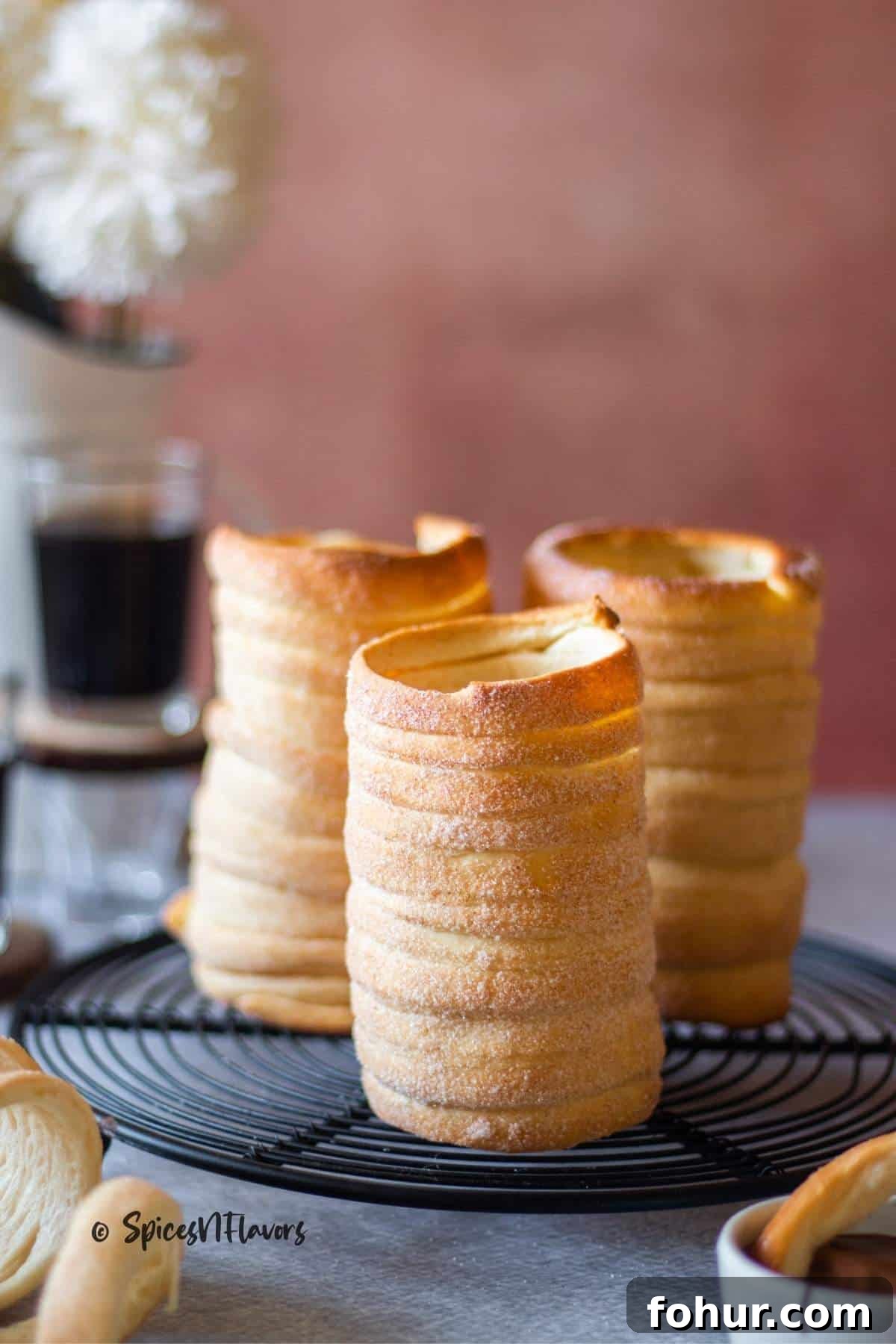
Place the coated, wrapped cans upright on a baking tray lined with parchment. Bake in a preheated oven at 160°C (320°F) for about 20 minutes, or until golden and caramelized. Let them cool enough to handle, then gently twist and pull the foil away to release the chimney cake.
How to serve them
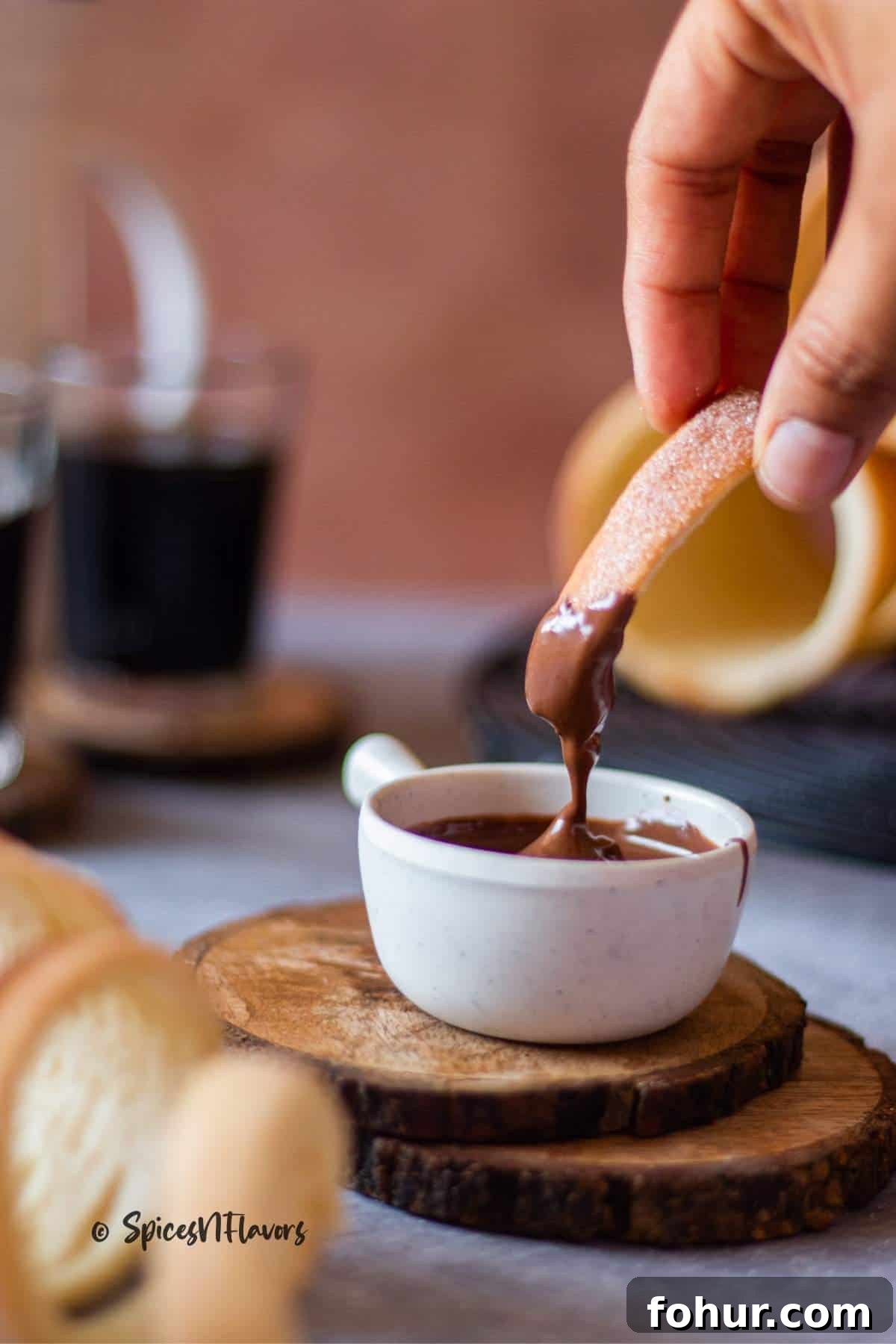
Chimney cakes are delicious served warm. Try them plain to enjoy the caramelized crust, or fill them with a scoop of ice cream, whipped cream, or a drizzle of chocolate or caramel. Rolling the dough in chopped nuts or coconut before baking adds a pleasant crunch. Savory variations are popular too — experiment with cheeses or herbed fillings if you prefer a savory snack.
Storage instructions
Allow chimney cakes to cool completely, then store in an airtight container at room temperature for up to 2 days. For longer storage, wrap tightly in plastic and foil and freeze for up to 2–3 months. Thaw at room temperature or in the refrigerator before reheating briefly in a low oven. Note that the crispy texture softens with storage, so they are best enjoyed fresh.
Baker’s tips
- If using active dry yeast, activate it in warm milk with a pinch of sugar first.
- You can knead the dough in a stand mixer with a dough hook for about 8 minutes.
- The dough should be soft, smooth, and slightly tacky; adjust liquid or flour by a tablespoon at a time if needed.
- Preheat the oven so the cakes bake evenly and develop a nicely browned crust.
- Press the cinnamon-sugar onto the dough so it adheres well and caramelizes during baking.
- Grease the foil-covered cans thoroughly to prevent sticking and make removal easier.
- For a chocolate variation, add some cocoa powder to the dough.
Frequently asked questions
- Why didn’t my dough rise? Insufficient proofing time, expired or inactive yeast, or liquids that were too hot or cold can prevent rising. Ensure yeast is fresh and use a warm, draft-free place for proofing.
- How do I prevent sticking? Grease the foil-covered cans well with oil or cooking spray before wrapping the dough.
- What can I use instead of a soda can? A foil-covered wooden rolling pin can work; just remember to turn it during baking so all sides brown evenly.
- What is a chimney cake? A chimney cake, or Kürtőskalács, is a Hungarian spit cake shaped like a hollow cylinder and coated in caramelized sugar.
Recipe summary
Servings: 6 cones • Prep time: 25 minutes • Proofing: 1 hour • Cook time: 20 minutes
Calories (approx.): 311 kcal per cone