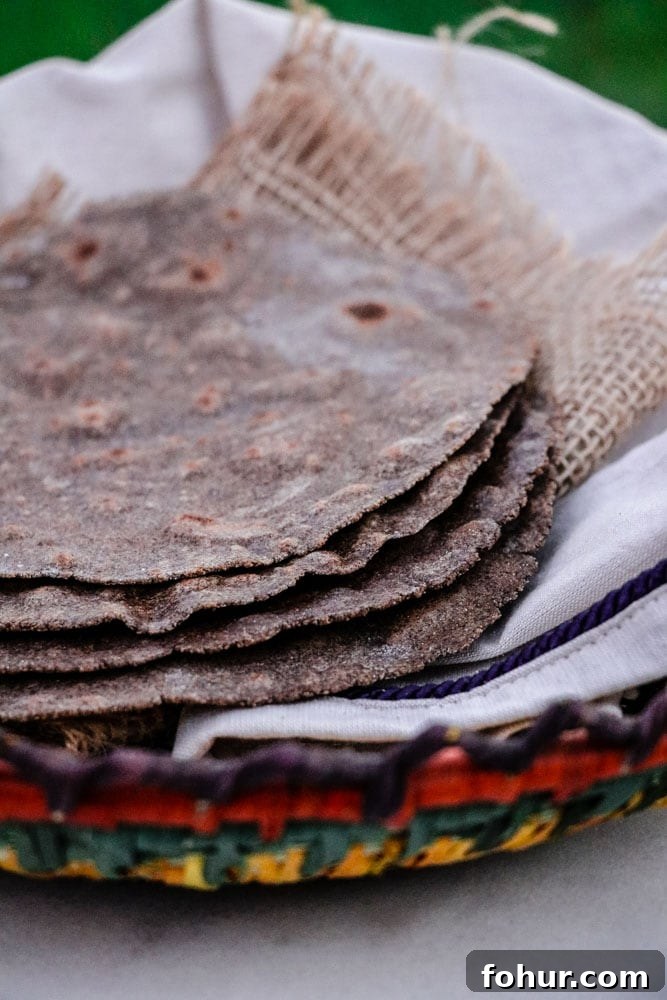
Buckwheat flour rotis (called kuttu ki roti in Hindi/Urdu) are nutritious, naturally gluten-free, and surprisingly flexible. They have a robust, earthy flavor that pairs well with many curries but also works beautifully with sweet toppings like jam or honey. These flatbreads are simple to make at home and can be prepared quickly with just a few ingredients.
Reader Feedback
“Thank you. This recipe was amazing. I’m gluten-free and my husband prefers fewer refined carbs. We will definitely make these again.”
Theo
Buckwheat Roti
Roti, or chapati, is an unleavened flatbread commonly eaten across South Asia. While naan often appears in restaurants and for special occasions, rotis are the everyday flatbread served with home-cooked meals. Made with buckwheat flour, these rotis offer a gluten-free alternative that holds together well and cooks quickly on a hot griddle.
Traditionally, rotis are made from whole wheat (atta) and cooked on a cast-iron griddle (tava). For wheat-based rotis, the dough is typically cooked partly on the griddle and finished directly over a flame to puff up. Buckwheat rotis won’t puff the same way, but they brown nicely on a hot skillet and remain tender when handled correctly.
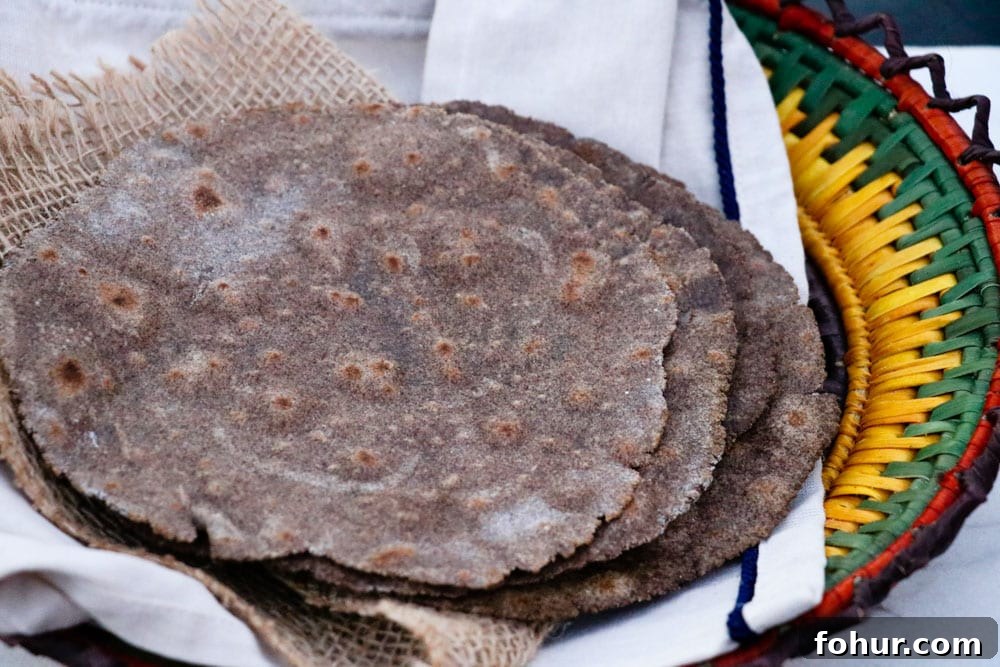
Buckwheat (Kuttu) Flour
Buckwheat flour is a nutrient-dense, gluten-free flour with a pronounced, nutty flavor. It’s easier to work with than many other gluten-free flours and produces rotis that are pleasantly pliable. These rotis match well with robust curries and vegetable dishes, and they also make a satisfying wrap or hand-held flatbread.
Because buckwheat lacks gluten, the dough behaves differently from wheat dough. It can be slightly more fragile while shaping and rolling, so a gentle touch and light dusting of a gluten-free dusting flour (rice flour or similar) will help. Don’t worry about getting perfectly round rotis—rustic shapes are normal and still delicious.
Tips to Make Buckwheat Flour Roti
- Water or milk amount varies by brand of buckwheat flour. Add liquid gradually until the dough is soft but not sticky.
- Unlike wheat flour, buckwheat won’t develop gluten, so the dough won’t stretch the same way. Work with smaller dough balls and roll gently.
- Resting the dough for 10–20 minutes can help hydrate the flour and make rolling slightly easier, but it isn’t essential.
- Dust your work surface and rolling pin with rice flour (or another gluten-free flour) to prevent sticking.
- Cook on medium heat so the roti cooks through without burning; if using direct flame (gas stove), watch closely to avoid charring.
More Gluten-Free Flatbread Ideas
- Cassava and sorghum flour roti blends
- Quinoa flour roti
- 30-minute no-yeast egg-free naan made with gluten-free flours
- Oat flour roti
Gluten-Free Buckwheat Flour Roti
These buckwheat rotis are a simple, healthy gluten-free flatbread option. They have a robust flavor that complements savory curries and can also be enjoyed with sweet spreads or used as wraps.
Ingredients
- 1 cup buckwheat flour
- 1/2 cup warm water or milk, or less as needed
- 1/8 tsp salt (optional)
- Oil or butter, for brushing
- Rice flour or another gluten-free flour for dusting
Instructions
- Combine the buckwheat flour and salt (if using) in a medium bowl. Add warm water or milk gradually while mixing with your hands until the liquid is absorbed and a soft, slightly elastic dough forms. The dough should be workable but not sticky; adjust liquid as needed. There is no need to knead extensively.
- Heat a tava, griddle, or heavy non-stick skillet over medium heat. Reduce the heat slightly when you begin cooking the rotis to prevent burning.
- Lightly dust your work surface with rice flour. Divide the dough into six equal portions and roll each into a smooth ball slightly larger than a golf ball. Using a rolling pin, roll each ball into a round about 6 inches in diameter, dusting with rice flour as needed to prevent sticking.
- Carefully transfer a rolled roti to the hot skillet. Cook for about 30 seconds until small bubbles form and the bottom has light brown spots, then flip. Brush the cooked side with a little oil or butter and cook for another 15–20 seconds. Flip a couple more times, pressing gently with a spatula, until both sides are cooked and the roti is done. If using a gas flame, you can briefly expose the roti to direct heat to encourage slight puffing, watching closely to avoid charring. Serve immediately, brushed with more oil or butter if desired.